
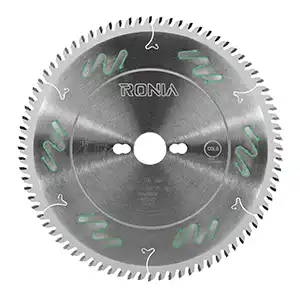
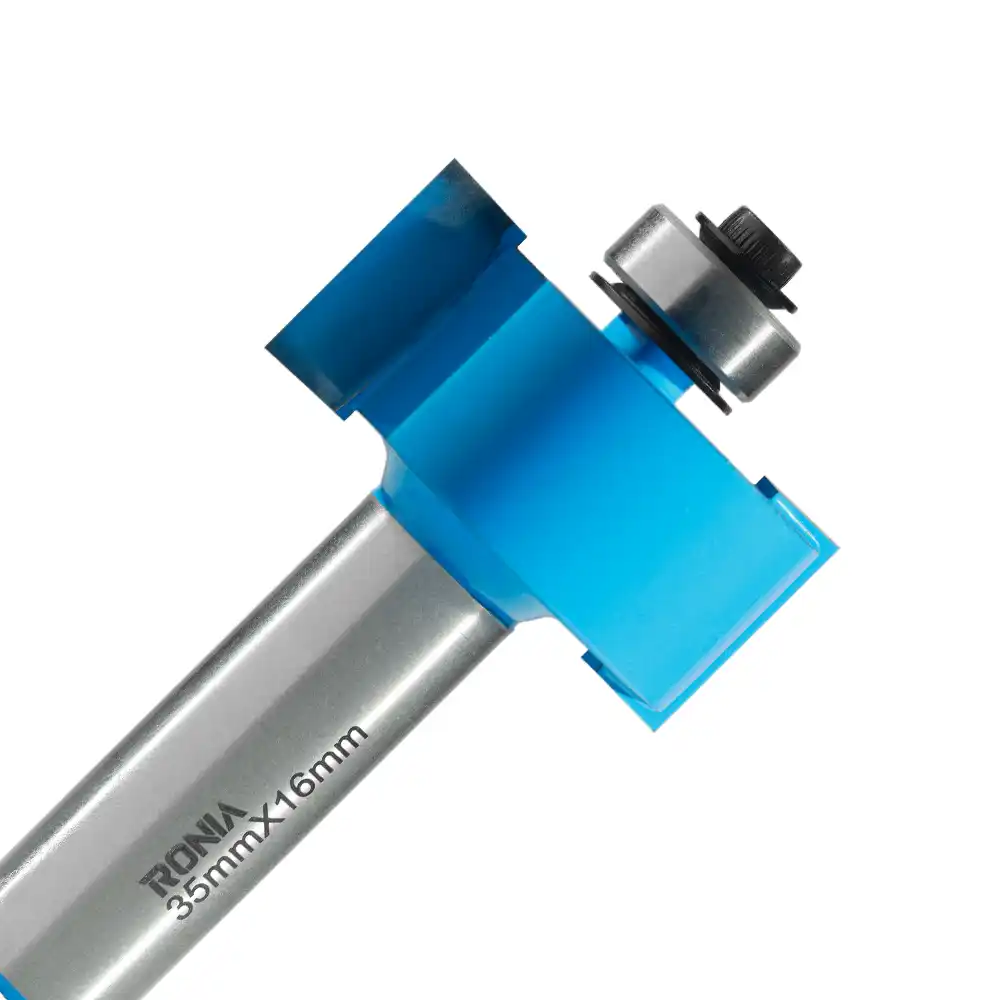
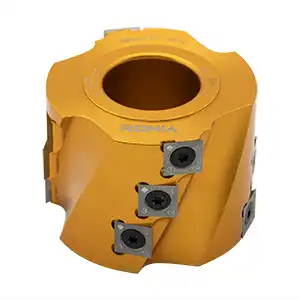
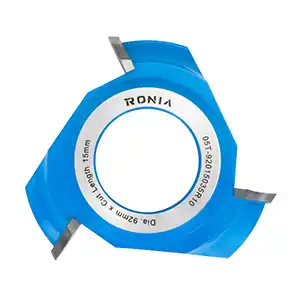
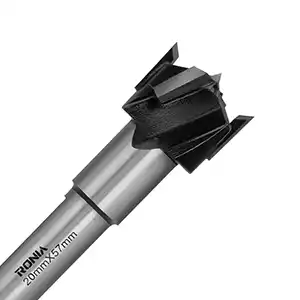


Brazed Cutters for Precise, Efficient Woodworking Production
Brazed Cutters are important for woodworking operations that demand accurate cutting and consistent surface quality. Their brazed carbide cutting edges provide reliable performance across demanding production environments, making them suitable for furniture manufacturers, cabinet makers, and industrial workshops. Ronia supplies precision cutting solutions for applications. Explore the category to identify suitable cutters for your machines, materials, and production requirements.
What are Brazed Cutters?
Brazed Cutters are cutting tools manufactured with carbide tips or cutting elements permanently brazed onto a steel body. The carbide provides a hard, wear-resistant cutting edge, while the steel body delivers structural strength and stability during machining. This construction creates a practical balance between cutting performance, durability, and cost.
During operation, the cutter rotates at a controlled speed while its cutting edges remove material from a workpiece. Brazed Cutters can be designed for operations such as profiling, grooving, trimming, rebating, and specialized woodworking tasks. They are used with routing and machining equipment in furniture manufacturing, joinery, cabinetry, and industrial wood processing.
Proper cutter geometry, cutting speed, feed rate, and machine compatibility affect the final result. Selecting a suitable tool helps reduce defects, improve productivity, and maintain consistent dimensions across repeated production cycles.
Key Features and Benefits
- Brazed carbide construction: Permanently attached carbide cutting elements provide a durable edge for demanding woodworking applications.
- High wear resistance: Carbide helps maintain cutting performance during extended production and repeated machining cycles.
- Precise cutting geometry: Accurate profiles support clean edges, controlled dimensions, and consistent machining results.
- Strong tool body: A robust steel body provides stability and helps the cutter withstand machining forces.
- Efficient material removal: Optimized cutting edges can remove material effectively while supporting productive feed rates.
- Versatile applications: Suitable designs can perform profiling, trimming, grooving, and other specialized woodworking operations.
- Consistent results: Stable construction helps manufacturers reproduce the same profile across multiple workpieces.
- Reduced replacement frequency: Durable cutting edges can extend usable tool life and help control tooling costs.
- Surface quality: Appropriate cutter selection can minimize tearing, chipping, and unnecessary finishing work.
- Machine compatibility: Correct dimensions and specifications allow the cutter to operate safely with compatible woodworking equipment.
Types of Brazed Cutters
Profiling Cutters: These cutters create shaped edges, decorative profiles, and functional contours on wooden components. They are widely used for furniture parts, cabinet doors, moldings, and custom joinery where repeatable profiles are required.
Grooving and Rebating Cutters: Designed to produce channels, rebates, and stepped sections, these tools support accurate component assembly. They are useful for cabinets, panels, shelves, frames, and other applications requiring controlled joint dimensions.
Trimming Cutters: Trimming designs remove excess material and refine edges after cutting or assembly. They can support efficient production when manufacturers need clean, consistent edges across repeated components.
Specialized Brazed Cutters: Custom or application-specific geometries can address particular profiles, materials, or machining requirements. These cutters are useful when standard tooling cannot provide the required shape or production result.
Brazed Cutters are passive mechanical tools and do not contain electric, battery, or pneumatic power sources. However, they may be installed on electrically powered routers, CNC machines, spindle machines, or other woodworking equipment. Battery or pneumatic equipment may be used for supporting setup and assembly tasks, depending on the production environment.
How to Choose the Right Brazed Cutters
1. Match your workshop size: Smaller workshops should select versatile cutters that can handle several common operations and materials. Large facilities may benefit from specialized tooling optimized for specific machines and repetitive production lines.
2. Consider production volume: High-volume manufacturers should prioritize wear resistance, consistent geometry, and predictable tool life. Lower-volume workshops can focus on flexible cutters that provide performance without unnecessary specialization.
3. Identify the material: Determine whether you primarily machine solid wood, MDF, plywood, particleboard, laminates, or composite materials. Material hardness, density, abrasiveness, and surface requirements influence carbide selection and cutter geometry.
4. Check machine specifications: Confirm spindle compatibility, cutter dimensions, cutting diameter, shank or mounting requirements, and recommended operating parameters. Correct specifications support stable operation and help prevent premature tool wear.
5. Balance performance and budget: Compare expected tool life, machining quality, productivity, maintenance requirements, and purchase cost. A durable cutter that reduces downtime and finishing work can provide greater long-term value than a cheaper tool with shorter service life.
For businesses searching for the best woodworking tools, cutting performance should be evaluated alongside machine capability and workflow. Industrial wood cutting equipment can deliver accurate components, while quality power tools for workshops can support preparation, installation, and finishing tasks.
Why Choose Ronia for Brazed Cutters
Ronia supports professional woodworking businesses with precision cutting solutions designed for demanding production environments. Based in Turkey, the company combines Turkish engineering and manufacturing expertise with practical knowledge of woodworking applications and industrial tooling requirements.
For B2B buyers, dependable tooling helps maintain production schedules and consistent output. Ronia focuses on product quality, functional design, and suitable specifications so manufacturers can select cutters according to their machines, materials, and machining processes.
International quality requirements are important when purchasing industrial tooling for global operations. Ronia’s manufacturing approach follows recognized quality practices, while applicable products or processes may support relevant CE and ISO requirements where certification applies. Buyers should verify the specific certification and technical documentation provided with each selected product.
Spare parts and replacement support can help businesses maintain production continuity and reduce unnecessary interruptions. Ronia also provides after-sales support for product questions, application guidance, and service requirements, helping customers use their tooling effectively.
Global shipping availability enables Ronia to serve manufacturers, distributors, and workshops across international markets. Whether you require standard Brazed Cutters for recurring production or specialized tooling for a particular woodworking process, the sales team can help identify suitable solutions based on your requirements.

