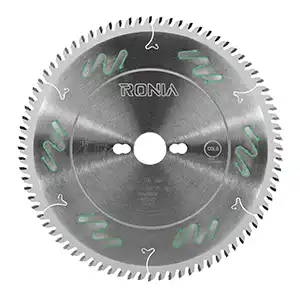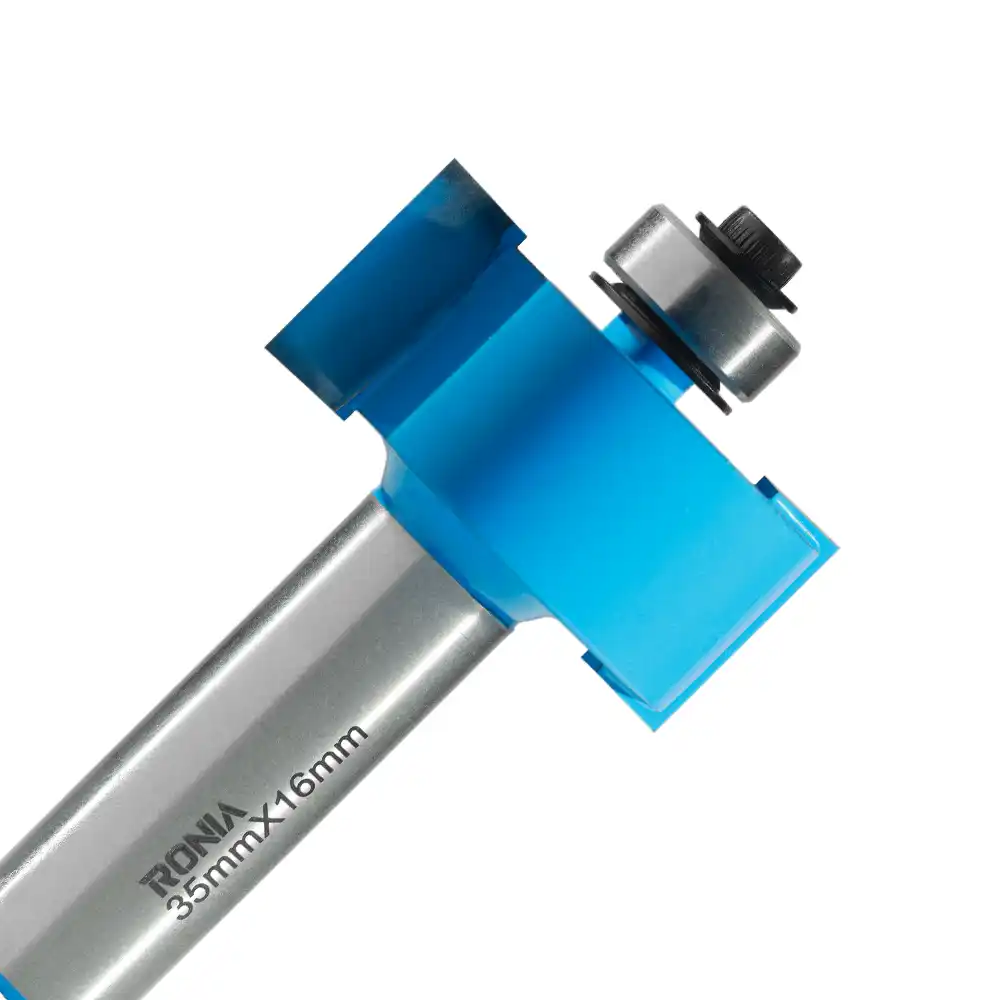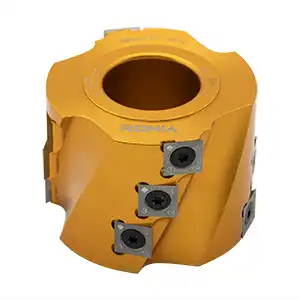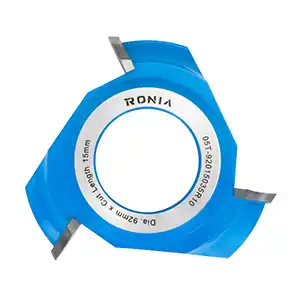
Ball Grooving Bits

Thumbnails Products D Cutting Length S R Z
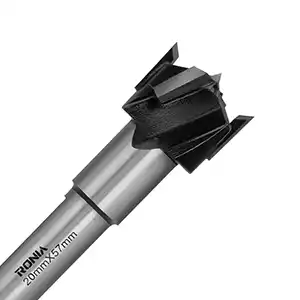
Ronia 31-19018208 Ball Grooving Bit

Ball Grooving Bits for Precise Professional Woodworking

Ball Grooving Bits help woodworking professionals create smooth, rounded channels for decorative details, functional joints, and specialized panel designs. Their curved cutting profile supports controlled material removal and consistent results across furniture, cabinetry, doors, and custom components. For workshops and industrial manufacturers, the right grooving tool can improve accuracy, surface quality, and production efficiency. Explore Ronia’s Ball Grooving Bits to find dependable tooling for your machine, material, and workflow.

What Is a Ball Grooving Bit?

A Ball Grooving Bit is a specialized router cutter designed to create rounded or semicircular grooves in wood and compatible sheet materials. Its curved cutting edge removes material from the workpiece and forms a channel with a smooth internal profile. This shape can be used for decorative lines, recessed details, cable channels, handles, and selected joinery applications.

Ball Grooving Bits are commonly used in cabinetmaking, furniture production, architectural woodworking, sign making, and custom fabrication. The diameter of the cutter determines the approximate groove size, while the shank dimension and cutting length influence machine compatibility and working capacity.

These bits can be used with handheld electric routers, router tables, and suitable CNC routing systems. Correct results depend on stable workpiece positioning, suitable feed speed, correct cutting depth, and a machine that can safely operate the selected tool. Multiple passes may be necessary when creating deeper grooves or working with harder materials.

Key Features and Benefits

  • Rounded groove profiles: Curved cutting geometry creates smooth channels that support decorative and functional woodworking applications.
  • Accurate material removal: Precision manufacturing helps maintain consistent groove dimensions across repeated workpieces.
  • Durable cutting edges: Quality carbide construction supports reliable performance and helps resist wear during demanding routing operations.
  • Smooth internal surfaces: Sharp cutting edges can reduce tearing and produce cleaner groove walls with less finishing work.
  • Versatile applications: Ball Grooving Bits support furniture details, cabinetry, signage, trim, panel work, and custom components.
  • Efficient routing: Suitable cutter geometry helps remove material effectively while supporting controlled production cycles.
  • Repeatable results: Consistent tool dimensions and stable machine settings help reproduce matching grooves across production batches.
  • Reduced rework: Correctly selected tooling can minimize uneven channels, damaged edges, and unnecessary sanding or correction.

Types of Ball Grooving Bits

Small-diameter ball grooving bits create narrow rounded channels for subtle decorative lines, light recesses, and detailed furniture components. They are useful for cabinet doors, trim, signage, and small-scale woodworking projects. Handheld electric routers and compact CNC machines are common choices, while battery-powered routers may support lighter applications when their power and collet specifications are suitable.

Medium-diameter ball grooving bits provide a balanced profile for general furniture, cabinetry, panel, and architectural woodworking. They can create visible channels while maintaining practical material removal and manageable machine requirements. Electric routers, router tables, and CNC systems are commonly used for this category.

Large-diameter ball grooving bits produce wider and deeper rounded channels for stronger visual effects or specialized functional designs. They may be selected for architectural panels, large furniture components, decorative beams, and custom woodworking projects. Because larger cutters can require greater power and stability, users must verify spindle capacity, operating speed, cutter clearance, and workpiece support.

Bearing-guided ball grooving bits use a guide bearing to help control the cutting path against a workpiece edge or template. This configuration can support repeatable positioning when producing routed details on shaped components. Electric routers and router tables are typical power sources, while pneumatic equipment may be suitable only when the machine is specifically designed for compatible routing operations.

CNC-compatible ball grooving bits are designed for automated machining environments where accurate tool paths and repeatable production are important. They can support detailed furniture parts, programmed channels, decorative panels, and high-volume component production. CNC machines generally use electric spindles, although specialized pneumatic systems may be available for suitable industrial applications.

How to Choose the Right Ball Grooving Bit

  1. Define the groove size: Determine the required channel diameter, width, and depth before selecting the cutter. Matching the profile to the design helps prevent unnecessary passes and inconsistent results.
  2. Match the material: Consider whether the workpiece is hardwood, softwood, MDF, plywood, laminate, or another compatible material. Material density influences cutting resistance, feed speed, edge wear, and expected tool life.
  3. Check machine compatibility: Confirm shank diameter, router or spindle power, maximum operating speed, cutting length, and available clearance. Small workshops may use handheld electric or battery routers, while industrial facilities may require router tables or CNC equipment.
  4. Consider production volume: Low-volume users may prioritize versatility and easy setup, while high-volume manufacturers should evaluate durability, repeatability, cutting efficiency, and replacement availability.
  5. Balance performance and budget: Compare the purchase price with service life, cutting quality, maintenance requirements, and productivity. Investing in the best woodworking tools for your actual workload can reduce long-term operating costs.

Why Choose Ronia for Ball Grooving Bits?

Ronia combines Turkish engineering and manufacturing experience with a practical understanding of professional woodworking requirements. Its precision cutting tools are intended to support accurate machining, reliable performance, and efficient production across demanding workshop environments.

For B2B buyers, dependable supply and technical assistance are essential throughout the product lifecycle. Ronia provides spare parts availability, after-sales support, and global shipping options to help professional customers maintain tooling and production continuity. These services can also simplify procurement for manufacturers sourcing several categories of woodworking equipment.

Where applicable, Ronia products and manufacturing processes can meet relevant international requirements, including CE and ISO standards. Buyers should confirm the exact certification documents and technical specifications for the selected product before purchase, especially when tooling is integrated into industrial machinery or regulated production systems.

Ronia also supplies quality power tools for workshops and complementary precision cutting solutions. This broader range allows businesses to coordinate purchasing and establish consistent tooling standards across different machines and production stages.

For manufacturers using industrial wood cutting equipment, proper cutter selection can influence surface quality, machining speed, tool life, and operating costs. Operators should follow machine instructions, respect recommended speed limits, secure the workpiece correctly, and use suitable protective equipment. Regular inspection helps identify wear, damage, or contamination before these issues affect production quality.