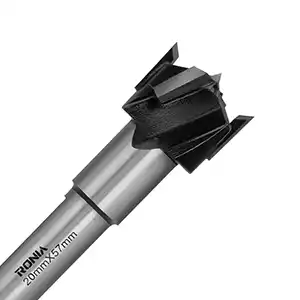
Dovetail Bits for Strong, Accurate and Professional Woodworking Joints
Dovetail Bits help woodworking professionals create precise interlocking joints for drawers, cabinets, boxes, furniture, and custom joinery projects. Their angled cutting profile produces strong connections with an attractive traditional appearance. For workshops focused on accuracy, repeatability, and efficient production, selecting the correct bit is essential. Explore Ronia Dovetail Bits to improve joint quality, reduce rework, and achieve dependable results across a wide range of woodworking applications.
What Are Dovetail Bits?
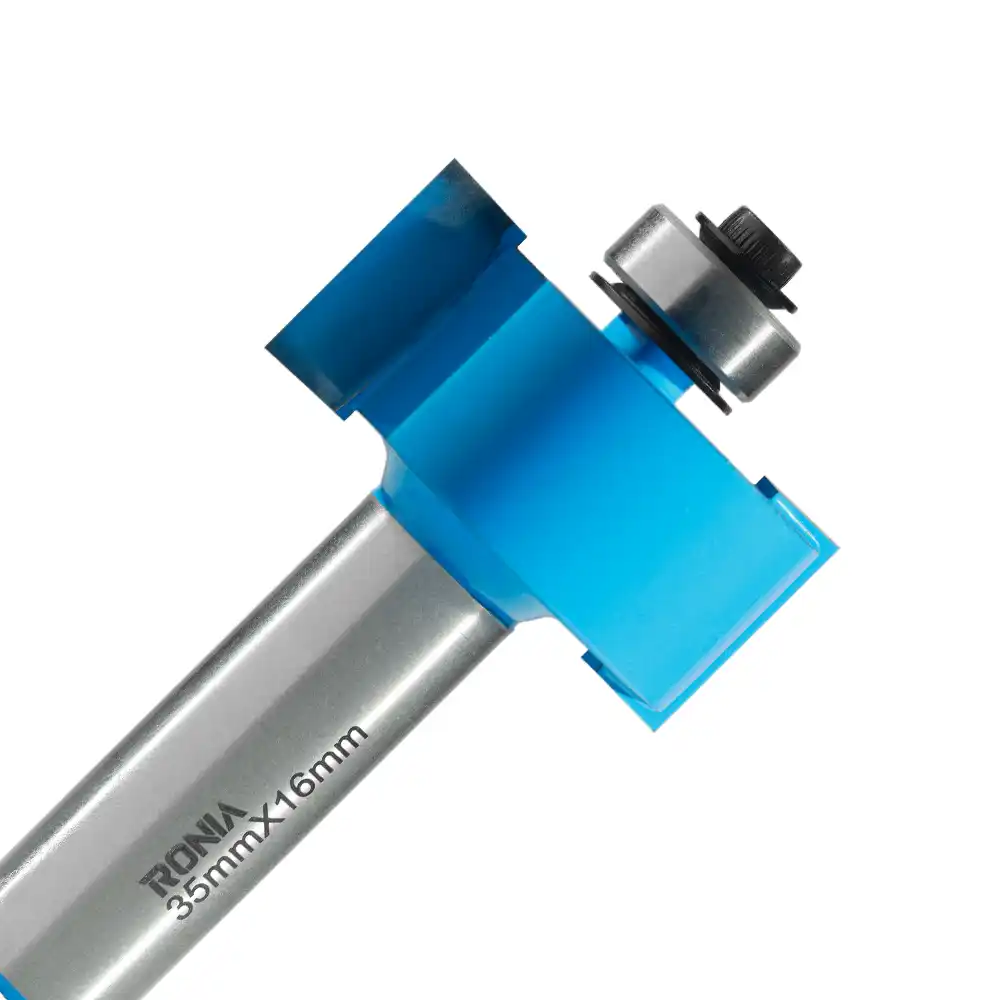
Dovetail Bits are router cutters designed to produce dovetail-shaped grooves, sockets, and joint components in wood and wood-based materials. Their cutting edges are angled rather than straight, allowing them to create a wider base beneath a narrower opening. When two correctly machined pieces are assembled, the angled profiles interlock to form a strong mechanical connection.
Dovetail joints are widely used in drawer construction, cabinetmaking, furniture production, storage boxes, decorative joinery, and fine woodworking. They can be created with a handheld electric router, a router table, or a compatible CNC routing machine. Battery-powered routers may be useful for mobile installation or small repair tasks, while industrial CNC systems support repeatable production and complex routing patterns.
The final joint depends on several factors, including bit angle, cutting diameter, depth, material thickness, guide system, and machine accuracy. Dovetail Bits can be used on hardwood, softwood, plywood, MDF, and selected engineered boards when the cutting geometry and operating settings are suitable. Always secure the workpiece and follow the router manufacturer’s safety instructions.
Key Features and Benefits
- Accurate joint geometry: Precisely manufactured cutting edges help create consistent angles and dimensions for reliable dovetail connections.
- Strong mechanical locking: The angled profile produces an interlocking joint that can improve structural stability without relying only on adhesives.
- Clean cutting performance: Sharp carbide cutting edges can reduce splintering, tearing, and excessive finishing work when used correctly.
- Durable construction: High-quality materials support repeated routing operations and help extend service life in demanding workshops.
- Improved production efficiency: One suitable bit can create repeatable joint profiles, reducing manual fitting and unnecessary rework.
- Versatile woodworking applications: Dovetail Bits support drawer making, cabinet assembly, furniture construction, box production, and decorative joinery.
- Consistent repeatability: Stable dimensions and accurate grinding help workshops produce matching components for batch manufacturing.
- Professional appearance: Properly cut dovetail joints add craftsmanship, visual appeal, and perceived value to finished products.
- Reduced material waste: Accurate routing lowers the risk of incorrectly cut components and helps control production costs.
Types of Dovetail Bits
Standard Dovetail Bits are designed for common drawer, cabinet, and box-making applications. They are available in different angles and cutting diameters to match various joint designs and material thicknesses. These bits are generally used with electric handheld routers or router tables in small and medium-sized workshops.
Drawer Lock Dovetail Bits create specialized profiles for drawer construction and cabinet components. Their geometry allows parts to connect securely while maintaining a clean external appearance. They are useful for furniture makers who need efficient joint production and consistent results across multiple drawers.
Fine Dovetail Bits feature smaller cutting dimensions for detailed boxes, thin panels, miniature furniture, and decorative joinery. They require careful depth control and a stable machine because small variations can affect the final fit. Battery-powered routers may be suitable for light applications when the tool offers adequate speed and control.
Large Dovetail Bits are designed for wider joints, thicker materials, and heavier furniture components. Their larger cutting diameter may require a powerful electric router, a stable router table, or a suitable CNC spindle. Buyers should confirm the machine’s power, collet capacity, speed range, and maximum cutting depth.
CNC Dovetail Bits support automated routing operations in professional manufacturing environments. They are suitable for repeated drawer production, nested components, custom furniture, and digitally controlled joinery. Pneumatic routing systems may be used in certain industrial settings, but compatibility with the spindle, collet, speed, and tooling system must be verified before use.
How to Choose the Right Dovetail Bits
- Identify the joint design. Determine the required angle, width, depth, and joint style before selecting a bit. A drawer joint may require a different profile from a decorative box or structural furniture connection.
- Match the material thickness. Measure the workpiece carefully and choose a cutting diameter and depth that suit the board dimensions. Hardwood, softwood, plywood, and MDF may require different routing settings.
- Consider workshop size and output. A small workshop may need one versatile bit for occasional projects, while a production facility may benefit from several sizes and dedicated tooling for different components.
- Check machine compatibility. Confirm shank diameter, router power, collet size, operating speed, cutting depth, and feed requirements. Even the best woodworking tools cannot perform correctly when their specifications do not match the machine.
- Evaluate total operating cost. Compare price with durability, cutting accuracy, replacement frequency, downtime, and finishing requirements. Investing in quality power tools for workshops and reliable routing accessories can improve long-term productivity.
Why Choose Ronia for Dovetail Bits?
Ronia combines Turkish engineering knowledge with a practical focus on professional woodworking and industrial production. Its product range is intended for buyers who value accurate cutting, dependable performance, and efficient workshop operation. For manufacturers and distributors, choosing suitable tooling can support consistent results and reduce avoidable production interruptions.
Ronia’s woodworking solutions serve different applications, from general workshop tasks to more demanding manufacturing requirements. Depending on the selected product, Dovetail Bits may be available in different sizes, shank configurations, cutting profiles, and material options. Buyers should review each product specification carefully to confirm dimensions, compatible materials, recommended speeds, and machine requirements.
Quality documentation is important for international procurement. Where applicable, Ronia products and manufacturing processes may align with relevant international requirements, including CE and ISO standards. Certification and compliance details can vary by product, so customers should request and verify the exact documentation for the selected item before placing an order.
Ronia also recognizes the importance of long-term product support. Availability of spare parts, technical guidance, and after-sales assistance can help workshops maintain productivity and manage future tooling requirements. Customers can contact the sales team to discuss product compatibility, replacement needs, application questions, and purchasing support.
With international supply experience and global shipping availability subject to destination and product conditions, Ronia offers a practical sourcing option for woodworking professionals. Buyers searching for industrial wood cutting equipment can compare suitable tooling solutions while considering product quality, service, logistics, and total lifecycle value.