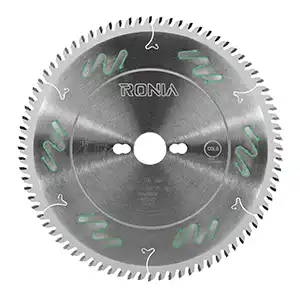
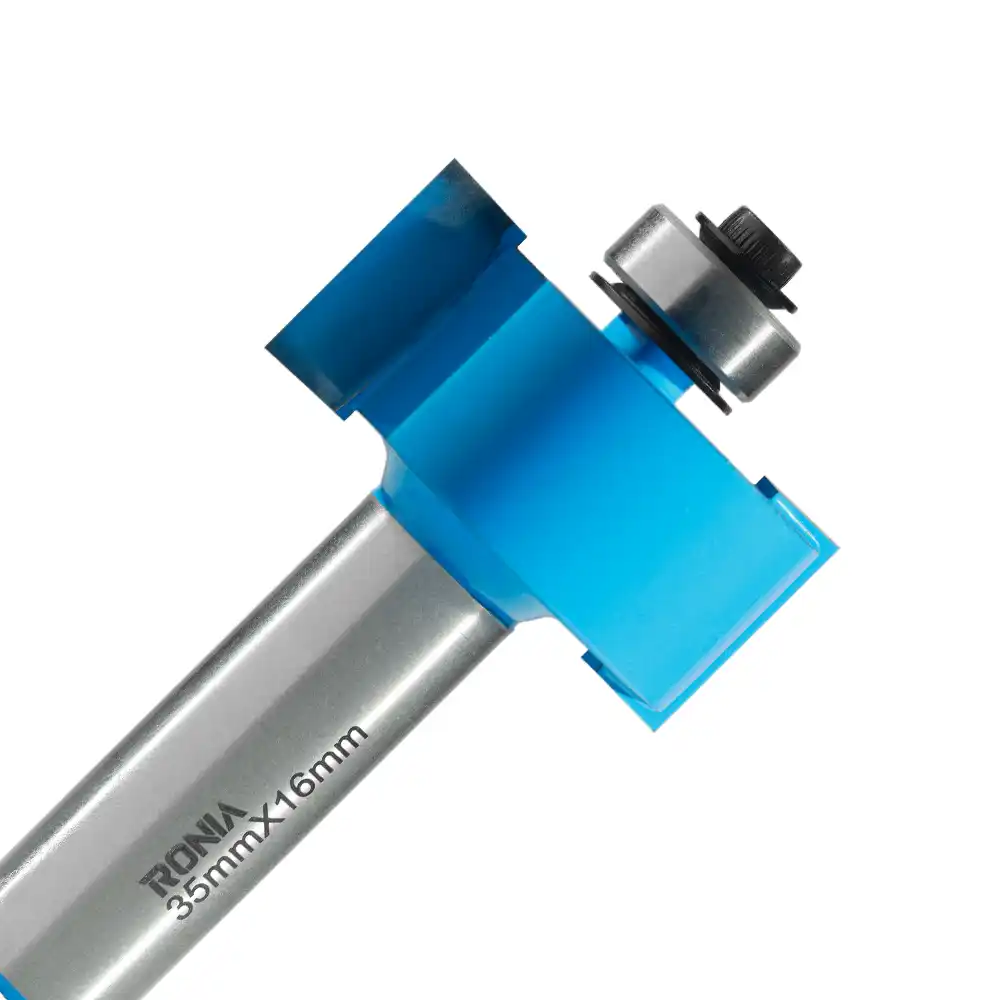
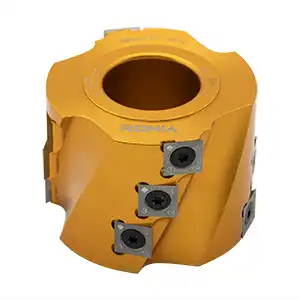
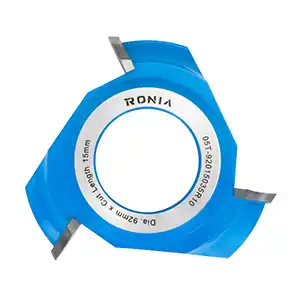
Edge Banding Cutters

Showing 1 - 2 out of 2

Page 1 out of 1

Edge Banding Cutters for Precision Furniture and Panel Manufacturing

Introduction

Clean, consistent panel edges are essential for professional furniture production and high-quality cabinet finishing. Edge Banding Cutters help manufacturers trim, shape, and refine edge banding materials for accurate, attractive results. Whether you operate a small woodworking workshop or a large industrial facility, selecting suitable cutters can improve efficiency and reduce finishing defects. Explore Ronia’s Edge Banding Cutters to find reliable tooling for your production requirements.

What Are Edge Banding Cutters?

Edge Banding Cutters are specialized woodworking tools designed to trim, shape, or finish edge banding applied to the exposed edges of furniture panels. Edge banding covers the raw edges of materials such as MDF, particleboard, and plywood, creating a cleaner appearance while helping protect the panel from everyday wear and moisture exposure.

During production, an edge banding machine applies a strip of material to the panel edge using a suitable adhesive or bonding process. After application, excess material may extend beyond the panel surface. Edge Banding Cutters remove this excess and help create a smooth, accurately aligned transition between the banding and the panel.

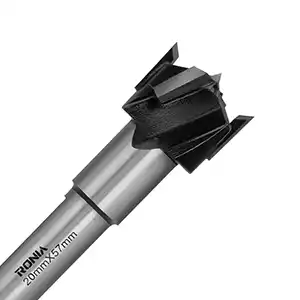
Depending on their design, these cutters can support rough trimming, fine finishing, radius shaping, scraping, or specialized edge processing. They may be manufactured from durable tool materials, including carbide, to withstand repeated contact with wood-based panels and edge banding materials.

Edge banding cutters are commonly used in cabinet manufacturing, kitchen furniture production, office furniture assembly, and industrial panel processing. When properly selected and maintained, they help improve visual quality, reduce manual finishing work, and support consistent production results.

Key Features and Benefits

  • Precision trimming: Accurate cutting geometry helps remove excess edge banding while maintaining a clean panel outline.

  • Durable construction: Robust tool materials support repeated use in professional woodworking environments.

  • Clean finishing: Sharp cutting edges help reduce rough surfaces, tearing, and visible finishing defects.

  • Consistent results: Reliable tooling supports uniform edge treatment across multiple furniture components.

  • Efficient operation: Effective material removal helps shorten finishing cycles and improve production throughput.

  • Material compatibility: Suitable cutters can process PVC, ABS, veneer, melamine, and other approved edge banding materials.

  • Reduced manual work: Proper trimming tools minimize additional hand-finishing and improve workflow efficiency.

  • Machine compatibility: Correct dimensions and mounting specifications support secure installation on compatible equipment.

  • Improved appearance: Accurate edge finishing creates a professional transition between the panel and its applied banding.

  • Lower operating costs: Durable cutting performance can reduce replacement frequency, waste, and unnecessary downtime.

Types of Edge Banding Cutters

Manual Edge Banding Trimmers

Manual edge banding trimmers are compact tools designed for workshops that complete occasional furniture projects or small production orders. They help operators remove excess banding from panel edges with direct hand control. These tools are practical for PVC, veneer, and other compatible edge materials when used according to their specifications.

Machine-Mounted Edge Banding Cutters

Machine-mounted cutters are designed for compatible edge banding machines and dedicated trimming equipment. They support repeatable edge processing and help maintain consistent results across cabinet doors, shelves, and furniture panels. Electric-powered machinery commonly uses these cutters during automated or semi-automated production.

Carbide Edge Banding Cutters

Carbide edge banding cutters feature cutting elements manufactured from wear-resistant carbide. They are suitable for professional applications involving repeated trimming of compatible edge banding materials. Their durability can support longer operating intervals, although performance depends on material, machine settings, and maintenance.

Radius Edge Banding Cutters

Radius cutters shape rounded transitions between the panel surface and its edge banding. They are useful when furniture designs require softened corners, ergonomic edges, or a specific finishing profile. These cutters support decorative and functional applications in kitchen furniture, office furnishings, and custom cabinetry.

Scraping and Finishing Cutters

Scraping and finishing cutters help refine edges after the main trimming operation. They can remove small remaining irregularities and improve the appearance of the finished panel. These tools are valuable in production environments where consistent edge quality and minimal manual finishing are important.

Electric, Battery, and Pneumatic Applications

Electric edge banding machines are widely used in workshops and industrial facilities because they provide consistent power for repeated trimming operations. Battery-powered tools may support mobile or occasional finishing tasks when compatible. Pneumatic systems can be used in specialized production equipment with compressed-air infrastructure, while automated CNC solutions may support advanced panel processing.

How to Choose the Right Edge Banding Cutters

  1. Assess your workshop size: Small workshops may benefit from versatile manual trimmers or compact electric equipment. Large manufacturers should consider machine-mounted cutters designed for continuous production.

  1. Evaluate production volume: Occasional furniture projects may require affordable, general-purpose tooling. High-volume factories should prioritize durable cutting materials, consistent results, and reduced tool replacement frequency.

  1. Identify the edge material: Select cutters according to the banding being processed, such as PVC, ABS, veneer, melamine, or other compatible materials. Material thickness and hardness influence cutting performance.

  1. Check machine compatibility: Confirm the cutter dimensions, mounting method, cutting direction, operating speed, and equipment requirements before purchasing. Correct compatibility supports stable operation and accurate finishing.

  1. Compare total operating costs: Consider purchase price, service life, maintenance, finishing quality, and downtime. Investing in quality power tools for workshops and suitable cutters can improve long-term productivity.

Why Choose Ronia for Edge Banding Cutters?

Ronia is an established industrial brand based in Turkey, supplying woodworking machinery, power tools, and precision cutting tools to professional customers in international markets. Its product range focuses on practical engineering, dependable performance, and solutions for workshops, furniture manufacturers, and industrial production facilities.

Ronia’s Turkish engineering and manufacturing background supports the supply of woodworking solutions intended for demanding applications. Buyers can explore suitable tooling according to their panel materials, edge banding requirements, machine specifications, and production objectives.

For companies sourcing industrial wood cutting equipment, quality assurance and compliance are important considerations. Ronia offers products associated with international market requirements, including CE and ISO-related standards where applicable. Certification scope depends on the individual product, so customers should review the relevant technical documentation and conformity information before purchasing.

Reliable industrial tooling requires more than a suitable cutting edge. Ronia supports customers through product guidance, spare-parts availability, and after-sales assistance. These services help businesses maintain equipment performance, address technical questions, and reduce avoidable production interruptions. Availability of specific components and services may vary by model and destination.

Ronia also provides global shipping availability for international customers. Distributors, workshop owners, cabinet manufacturers, and furniture factories can discuss product specifications, order quantities, delivery destinations, and commercial requirements with the sales team. This approach helps buyers plan procurement and select suitable solutions for their operations.