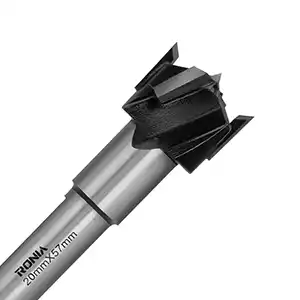
Roundover Bit

Roundover Bit for Professional Woodworking and Edge Finishing

A Roundover Bit helps woodworking professionals transform sharp board edges into smooth, consistent rounded profiles that improve appearance, handling, and finish quality. From cabinet components to furniture parts, the right cutter delivers repeatable results while reducing manual sanding and rework. For workshops and manufacturers focused on efficient production, choosing suitable routing tooling is essential. Explore Ronia’s range to find dependable solutions for your materials, machines, and production requirements.

What Is a Roundover Bit?

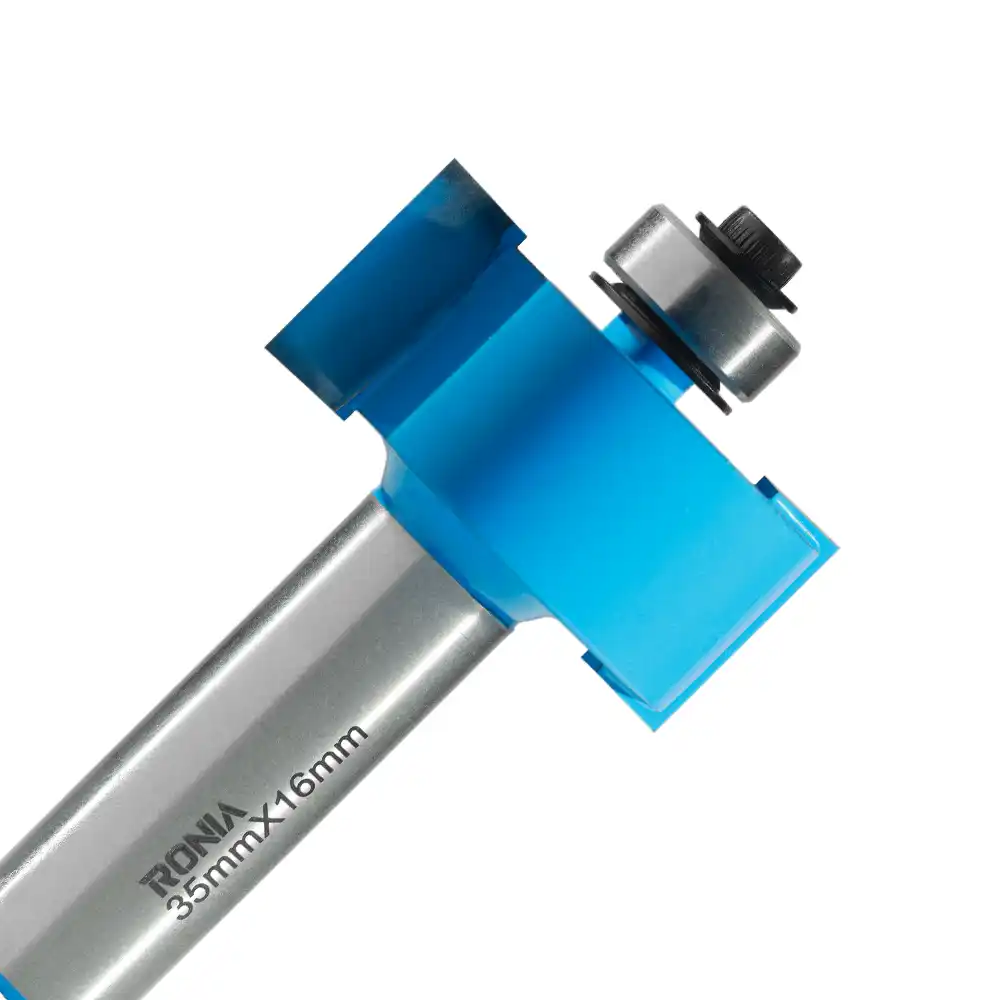
A Roundover Bit is a woodworking router bit designed to remove material from the edge of a workpiece and create a smooth, rounded profile. Its curved cutting edges gradually shape the corner, producing a consistent radius along the selected edge of solid wood, MDF, plywood, or compatible materials.

Roundover bits are widely used in cabinetmaking, furniture production, shelving, doors, countertops, decorative components, and joinery. Radius, shank size, bearing configuration, and cutter design determine whether the tool creates subtle edge softening or a pronounced decorative profile.

The bit can be used with a handheld electric router, router table, or suitable CNC routing system. Accurate results depend on correct setup, secure workpiece positioning, appropriate feed speed, and compatible tooling.

Key Features and Benefits

  • Precise edge profiling: Accurate cutting geometry helps create uniform radii and consistent edge profiles across repeated workpieces.
  • Durable cutting edges: Quality carbide construction supports reliable performance and helps maintain cutting accuracy during demanding production.
  • Smooth finishes: Sharp cutters can reduce tearing and leave cleaner surfaces, minimizing additional sanding and finishing work.
  • Efficient operation: A suitable roundover cutter removes material quickly and consistently, helping workshops shorten processing time.
  • Improved handling: Rounded edges can make furniture components and finished products more comfortable to handle while reducing harsh sharp corners.
  • Versatile applications: Different radius sizes support cabinet doors, shelves, tables, furniture components, trim, and decorative woodworking.
  • Repeatable results: Compatible bearings and stable machine setups help operators reproduce the same profile across multiple pieces.
  • Lower rework: Correct tooling and machine settings reduce inconsistent edges, excessive material removal, and avoidable finishing corrections.

Types of Roundover Bits

Bearing-guided roundover bits use a guide bearing to follow the workpiece edge while the cutter forms the profile. They are practical for handheld electric routers and router tables, making them suitable for cabinetmaking and furniture production. The bearing helps maintain a consistent cutting path when the edge is properly prepared.

Non-bearing roundover bits rely on the router table fence or another controlled guiding method rather than a bearing. They can suit experienced operators who require specific setup flexibility and precise control over the workpiece. Electric routing machines are common, while compatible battery-powered routers may support lighter applications when their capacity and collet specifications match the bit.

Large-radius roundover bits create softer, broader edge transitions and are often selected for tables, countertops, furniture parts, and architectural components. Because larger cutters can require greater machine capacity and careful feed control, users should verify router power, maximum speed, shank compatibility, and workpiece stability before operation.

Small-radius roundover bits produce subtle edge treatments that preserve a clean, modern appearance while removing sharp corners. They are useful for cabinet components, shelving, trim, small furniture parts, and general finishing tasks. Electric and battery-powered routers are common choices, while pneumatic systems can be used only where the machine and tooling specifications provide suitable compatibility.

How to Choose the Right Roundover Bit

  1. Choose the correct radius: Select the radius according to the design and edge treatment required for your product. A smaller radius suits subtle finishing, while a larger radius creates a stronger visual profile and softer transition.
  2. Match the material: Consider whether you work with hardwood, softwood, MDF, plywood, laminate, or another compatible material. Material density and construction affect cutting performance, feed speed, and tool life.
  3. Check your machine: Confirm shank diameter, router capacity, operating speed, bearing dimensions, and maximum recommended cutter speed. Small workshops may use handheld electric or battery routers, while higher volume facilities may require router tables or CNC systems.
  4. Consider production volume: Occasional users can prioritize versatile tooling, while industrial manufacturers should evaluate durability, repeatability, cutting efficiency, and replacement availability. The choice should support consistent output.
  5. Balance quality and budget: Avoid choosing solely on initial price. Compare cutting performance, service life, compatibility, replacement costs, and productivity to identify the best woodworking tools for your production requirements.

Why Choose Ronia for Roundover Bits?

Ronia combines Turkish engineering and manufacturing experience with a practical understanding of professional woodworking requirements. Its precision cutting tools are intended to support reliable machining and efficient production across demanding workshop environments.

For B2B buyers, dependable supply and technical support are important alongside product performance. Ronia provides access to spare parts and after-sales support, helping customers maintain equipment. Global shipping availability also supports customers seeking a professional supplier for woodworking tooling internationally.

Where applicable, Ronia products and manufacturing processes can meet relevant international requirements, including CE and ISO standards. Buyers should confirm the exact certification documentation and specifications for their selected product before purchase, particularly when equipment is used in regulated production environments.

Ronia also offers a broader selection of quality power tools for workshops and precision tooling, for coordinated purchasing. For manufacturers operating industrial wood cutting equipment, consistent tooling specifications can simplify production planning and support more predictable results across different operators and machines.

Always follow the router manufacturer’s instructions, use appropriate protective equipment, secure the workpiece correctly, and operate the cutter within its specified speed range. Regular inspection helps identify wear or damage before it affects production.