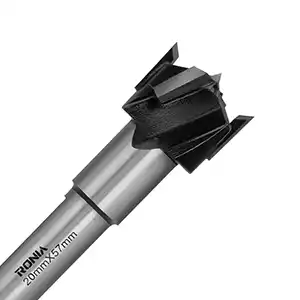
| Thumbnails | Products | D | Cutting Length | S | R | R2 | Height | Z |
|---|---|---|---|---|---|---|---|---|
![]() |
|
|
||||||
![]() |
||||||||
![]() |
||||||||
![]() |
|
|
|
|||||
![]() |
|
|||||||
![]() |
||||||||
![]() |
|
|
|
|||||
![]() |
||||||||
![]() |
|
|||||||
![]() |
|
|||||||
![]() |
|
|
||||||
![]() |
|
|||||||
![]() |
|
|||||||
![]() |
|
|
||||||
![]() |
|
|
||||||
![]() |
|
|||||||
![]() |
|
|
|
|||||
![]() |
|
|||||||
![]() |
|
|||||||
![]() |
|
|||||||
![]() |
|
|
|
|||||
![]() |
|
|
||||||
![]() |
|
|||||||
![]() |
|
|||||||
![]() |
|
Profile Cutting Bits for Precise Professional Woodworking
Profile Cutting Bits give woodworking professionals a practical way to create decorative edges, shaped contours, and consistent profiles with controlled routing. For furniture manufacturers, cabinet makers, joinery specialists, and industrial workshops, accurate profiling can improve product appearance while reducing manual finishing. Ronia supplies professional cutting solutions for demanding applications. Explore the range to find Profile Cutting Bits that match your machine, material, production volume, and required finish.
What are Profile Cutting Bits?
Profile Cutting Bits are rotary routing tools designed to shape the edge or surface of a workpiece into a specific contour. Their cutting edges are formed with a defined profile, allowing the operator to reproduce rounded, angled, stepped, decorative, or custom shapes as the bit moves through the material.
These tools are commonly used for furniture edges, cabinet components, doors, frames, moldings, decorative panels, and other woodworking parts. Depending on the cutter design, they can create a finished profile in one or several controlled passes. Compatible routers, router tables, and CNC machines provide the rotation required to remove material accurately.
For manufacturers using industrial wood cutting equipment, consistent profile cutting can improve component uniformity and reduce sanding, hand shaping, and rework. Correct feed speed, spindle speed, workholding, and cutting depth are important for achieving clean results and maintaining safe operation.
Key Features and Benefits
- Precision profile geometry produces consistent shapes and supports accurate dimensions across repeated production runs.
- Durable construction withstands regular professional use and helps maintain reliable cutting performance over time.
- Clean cutting action reduces splintering and surface damage, helping minimize additional sanding and finishing work.
- Efficient material removal can shorten machining cycles and improve productivity in both small and high-volume workshops.
- Versatile designs support decorative edges, functional profiles, furniture components, doors, panels, and custom woodworking applications.
- Stable operation improves operator control when the bit is correctly matched to the machine and workpiece.
- Repeatable results help manufacturers maintain consistent product quality and reduce costly corrections between production batches.
- Properly selected tooling supports safer, more predictable routing when operators follow suitable machine and application parameters.
Types of Profile Cutting Bits
Edge Profile Bits are designed to shape the exposed edges of furniture parts, shelves, doors, and panels. They can create rounded, beveled, stepped, or decorative edges and are widely used with electric routers and router tables.
Molding Profile Bits create more detailed decorative contours for furniture, cabinetry, frames, trims, and architectural woodworking. Their specialized geometry helps reproduce a defined shape consistently, making them useful for workshops producing repeated decorative components.
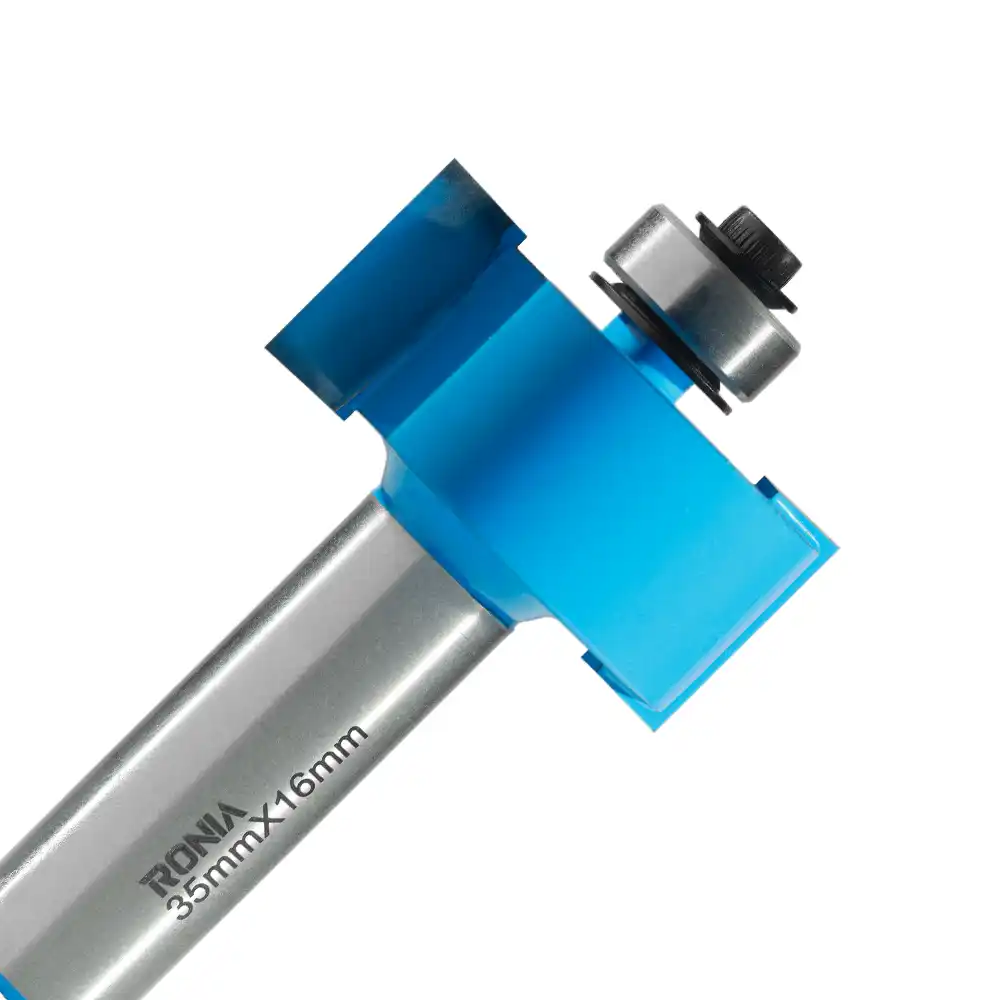
Flush and Template Profile Bits use a bearing or guide to follow an existing edge or template while the cutting section removes excess material. They are useful for copying shapes, trimming laminated components, and producing identical parts during batch production.
CNC Profile Cutting Bits are designed for compatible CNC routing systems where programmed movements require accurate and repeatable profiling. They are suitable for industrial furniture production, panel processing, signage, doors, and custom components when the cutter specifications match the spindle and material.
Profile cutting is most commonly performed with electric routers, router tables, or CNC machines. Battery-powered routers may suit mobile or lower-volume work when they provide sufficient torque and speed. Pneumatic routing equipment can also serve specialized industrial applications when the machine, collet, and tooling specifications are compatible.
How to Choose the Right Profile Cutting Bits
- Match the machine. Check shank diameter, collet capacity, spindle speed, and power requirements before purchasing. Correct compatibility supports stable operation and accurate profiling.
- Consider workshop size and production volume. Small workshops may prioritize versatile tooling and purchase value, while high-volume manufacturers should emphasize durability, repeatability, and service life. Choose a cutter that fits the frequency and intensity of your production schedule.
- Identify the material. Determine whether you primarily process hardwood, softwood, plywood, MDF, laminate, or other engineered boards. Material density affects tool wear, cutting parameters, chip evacuation, and achievable surface quality.
- Define the required profile. Compare cutting diameter, profile shape, cutting length, bearing configuration, and working depth with your component design. Accurate matching prevents incomplete profiles, excessive passes, and unnecessary material removal.
- Evaluate total operating value. Compare purchase price with tool life, production speed, finishing requirements, replacement frequency, and maintenance needs. The best woodworking tools deliver consistent results while helping control labor, waste, and long-term operating costs.
Why Choose Ronia for Profile Cutting Bits
Ronia combines Turkish engineering and manufacturing expertise with practical knowledge of professional woodworking requirements. Its precision tooling is intended for workshops and industrial manufacturers that need dependable cutting performance, consistent profiles, and efficient production.
For international B2B buyers, quality assurance and compliance are important purchasing considerations. Ronia supports professional expectations with products and manufacturing processes aligned with applicable international requirements, including CE and ISO standards where relevant. Buyers should confirm the exact certification and compliance documentation applicable to each product before purchase.
Long-term support is another important consideration when selecting a tooling supplier. Ronia provides spare parts availability and after-sales assistance to help customers maintain equipment, address technical questions, and reduce avoidable production interruptions. This support can help manufacturers protect schedules and maintain consistent output.
Ronia also offers global shipping availability, helping customers outside Turkey source professional woodworking solutions from an established supplier. From precision cutting tools to quality power tools for workshops, Ronia supports customers through product selection, purchasing, and after-sales service. This combination can give B2B buyers greater confidence when sourcing tools for ongoing manufacturing requirements.