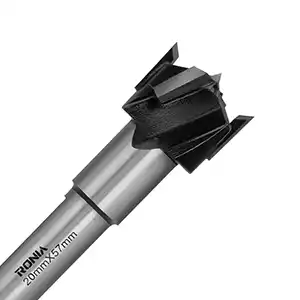
Slotting Cutter Bits

Slotting Cutter Bits for Precise Professional Woodworking

Achieve accurate grooves, slots, channels, and joint details with Slotting Cutter Bits engineered for demanding woodworking applications. These specialized cutters help workshops produce repeatable results across cabinets, furniture, panels, and joinery while maintaining clean edges and controlled dimensions. For manufacturers where accuracy and production efficiency matter, selecting the right cutter is essential. Explore Ronia’s tooling range to find dependable solutions matched to your machines, materials, and workflow for demanding professional woodworking production.

What Is a Slotting Cutter Bit?

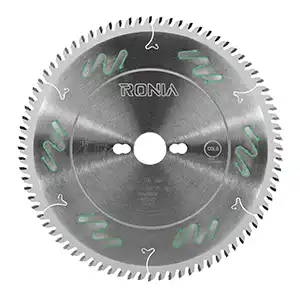
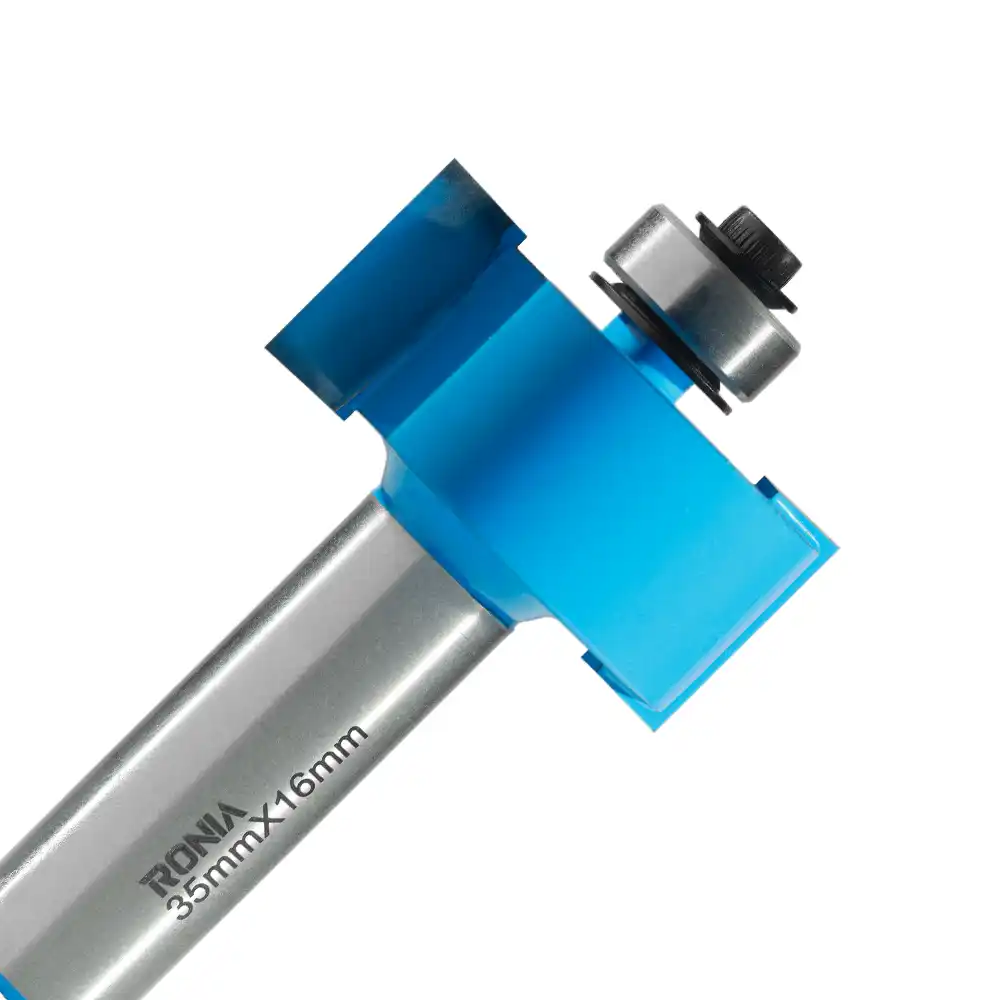
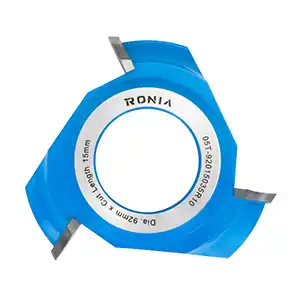
A Slotting Cutter Bit is a specialized router cutter designed to machine narrow grooves, slots, channels, and other recessed features into wood and sheet materials. The cutting teeth remove material from the workpiece at a controlled width and depth, allowing operators to create functional or decorative channels with consistent dimensions.

Slotting cutters are commonly used for spline joints, tongue and groove applications, panel construction, door components, furniture parts, and routing tasks that require precise recessed cuts. Cutter diameter, thickness, tooth configuration, shank size, and bearing arrangement influence the final result and should match the application.

These bits can be used with suitable electric routers, router tables, and CNC routing systems. Correct setup, secure workholding, appropriate feed speed, and compatible machine capacity are essential for achieving clean, repeatable cuts.

Key Features and Benefits

  • Precise slot dimensions: Accurate cutter geometry helps create consistent groove widths and depths across repeated workpieces.
  • Durable cutting edges: Quality carbide teeth provide dependable performance and help maintain cutting accuracy during demanding production.
  • Clean material removal: Sharp cutting surfaces help reduce tearing and produce cleaner slot walls with less secondary finishing.
  • Efficient routing: A suitable cutter removes material quickly and consistently, supporting productive workshop operations.
  • Repeatable results: Stable cutter construction and proper machine setup help operators reproduce identical slots across multiple components.
  • Versatile applications: Slotting tooling supports joinery, panels, furniture components, doors, splines, and specialized woodworking assemblies.
  • Flexible configurations: Different cutter thicknesses and diameters allow users to select tooling for specific slot dimensions and requirements.
  • Reduced rework: Correctly matched tooling can minimize inaccurate grooves, damaged workpieces, and unnecessary finishing corrections.

Types of Slotting Cutter Bits

Single-cutter slotting bits are suitable for straightforward groove and channel applications where a specific cutting width is required. They can support cabinetmaking, panel work, and general joinery in smaller workshops. Electric routers and router tables are common power sources, while compatible battery-powered routers may handle lighter tasks when specifications allow.

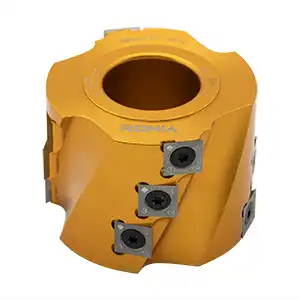
Stacked slotting cutter systems combine multiple cutters or spacers to achieve different groove widths without changing the entire tooling setup. This configuration is useful for workshops that regularly produce varied joint dimensions or panel details. Electric routing machines and CNC systems can support these setups when spindle capacity, arbor dimensions, and operating speeds are compatible.

Bearing-guided slotting cutters use a bearing to help control the cutting path and maintain consistent positioning against the workpiece. They can be useful for panel construction, decorative channels, and applications requiring controlled edge alignment. Electric routers and router tables are typical choices, while pneumatic systems may be used in specialized industrial environments when the machine and tooling are designed to work together.

CNC slotting cutters are intended for automated production where programmed paths and repeatable machining are priorities. They can support high-volume cabinet, furniture, and component manufacturing by maintaining consistent groove placement across multiple workpieces. CNC equipment generally uses electric spindle systems, although specialized pneumatic production machinery may be available for compatible applications.

How to Choose the Right Slotting Cutter Bit

  1. Define the slot dimensions: Determine the required groove width, depth, and diameter before selecting a cutter. Matching these measurements prevents unnecessary passes and helps achieve accurate joint dimensions.
  2. Match the material: Consider hardwood, softwood, MDF, plywood, laminate, or other compatible materials used in your workshop. Material density affects cutting resistance, feed speed, tooth wear, and service life.
  3. Check machine compatibility: Verify shank or arbor dimensions, spindle capacity, maximum operating speed, cutter diameter, and available power. Small workshops may use handheld electric or battery routers, while larger facilities may require router tables or CNC systems.
  4. Consider production volume: Low-volume workshops can prioritize versatile tooling for multiple applications, while industrial manufacturers should evaluate durability, repeatability, cutting speed, and replacement availability.
  5. Balance cost and performance: Do not select tooling based only on purchase price. Compare service life, cutting quality, compatibility, and productivity to identify the best woodworking tools for your workload.

Why Choose Ronia for Slotting Cutter Bits?

Ronia combines Turkish engineering and manufacturing experience with a practical understanding of professional woodworking requirements. Its precision cutting tools are designed to support accurate machining, dependable performance, and efficient production across demanding workshop environments.

For B2B buyers, reliable supply and responsive support are important throughout the product lifecycle. Ronia provides spare parts availability, after-sales assistance, and global shipping options, helping professional customers maintain their tooling and production operations. These services can also simplify procurement for manufacturers purchasing multiple categories of woodworking equipment.

Where applicable, Ronia products and manufacturing processes can meet relevant international requirements, including CE and ISO standards. Buyers should confirm the exact certification documentation and technical specifications for their selected product before purchase, particularly when equipment will be used in regulated industrial environments.

Ronia also supplies quality power tools for workshops and complementary precision tooling, allowing businesses to coordinate purchasing across different woodworking applications. For manufacturers operating industrial wood cutting equipment, consistent tooling specifications can help standardize production and simplify machine setup.

Always follow the router or CNC manufacturer’s operating instructions and the cutter supplier’s specified speed limits. Secure the workpiece correctly, use appropriate protective equipment, and inspect cutters regularly for wear or damage. Proper maintenance and setup help protect operators, equipment, and finished products.