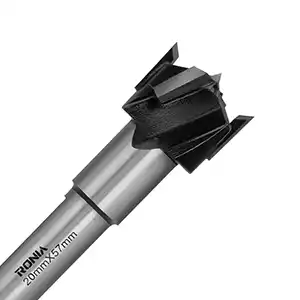
Tongue and Groove Bits for Precise Professional Woodworking
Tongue and Groove Bits help woodworking professionals create accurate interlocking joints for panels, flooring, cabinets, doors, and furniture. Designed for controlled routing and repeatable results, these cutting tools support efficient production while improving joint consistency. Whether you run a small workshop or an industrial manufacturing line, choosing the right bit can reduce finishing work and material waste. Explore Ronia Tongue and Groove Bits to equip your operation with dependable cutting performance.
What are Tongue and Groove Bits?
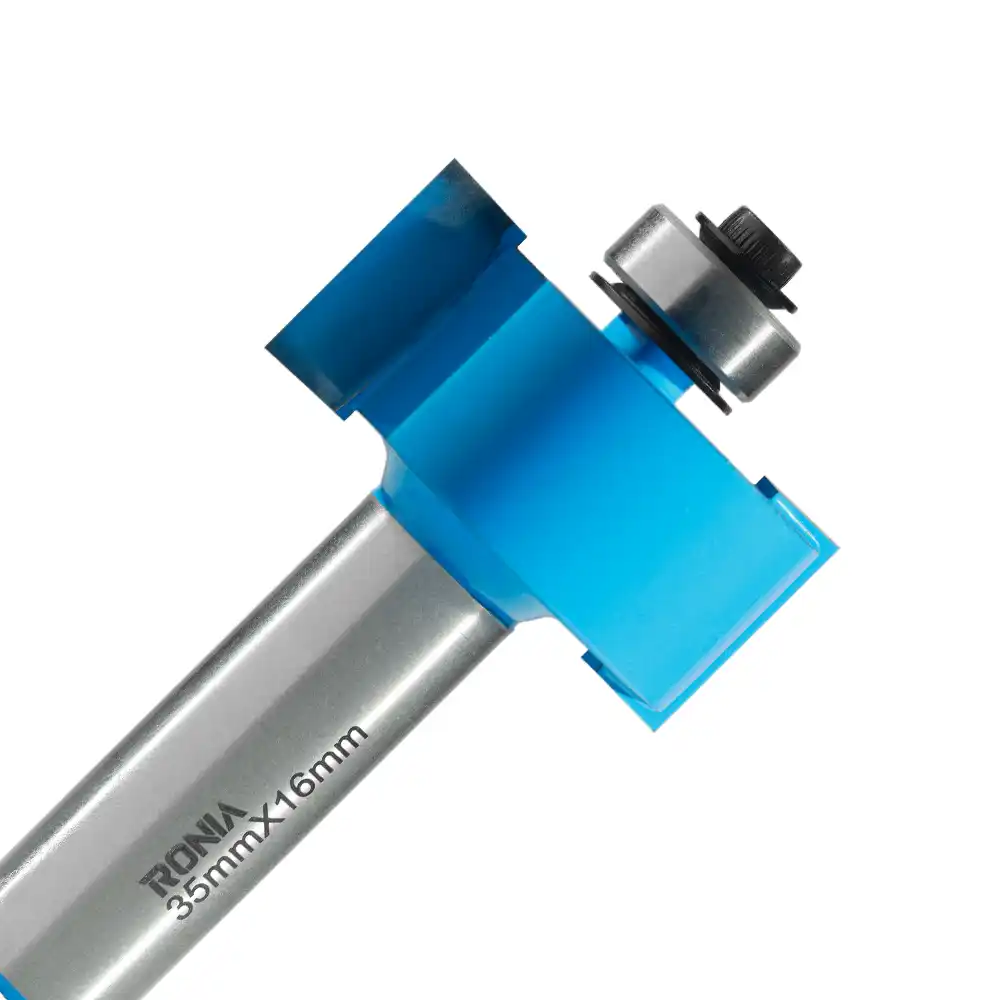
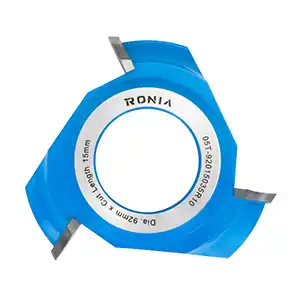
Tongue and Groove Bits are router bits designed to create matching tongue and groove profiles along the edges of wooden components. One cutter forms a projecting tongue while the matching cutter creates a recessed groove, allowing two pieces to fit together securely.
This jointing method is widely used for flooring, wall panels, cabinet components, tabletops, doors, and furniture parts. The interlocking profile increases alignment and creates a clean connection that can improve the overall appearance and structural stability of assembled products. For professional users, accurately machined profiles also help maintain consistent dimensions across repeated production runs.
Key Features and Benefits
- Precision cutting: Carefully engineered cutting geometry produces clean, consistent profiles and supports accurate assembly across multiple workpieces.
- Durable construction: High-quality cutting materials resist wear during demanding woodworking operations and help extend tool service life.
- Efficient production: Fast and repeatable routing reduces manual fitting, shortens processing time, and supports higher workshop output.
- Clean results: Sharp cutting edges help minimize tear-out and produce smooth joint surfaces that require less additional finishing.
- Secure joints: Matching tongue and groove profiles improve alignment and create a strong connection between compatible wooden components.
- Workshop versatility: Suitable configurations can process different wood-based materials and support applications ranging from custom furniture to industrial manufacturing.
- Safer operation: Properly selected and correctly installed bits provide controlled cutting performance when used with compatible routing equipment and appropriate workshop safety practices.
Types of Tongue and Groove Bits
Matched two-piece sets are commonly used when separate cutters are needed to create the tongue and groove profiles. They are practical for workshops producing furniture, cabinet components, doors, and other joinery projects where accurate matching is essential.
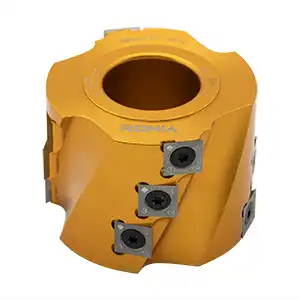
Stacked or adjustable configurations allow users to fine-tune cutting width or profile dimensions according to the workpiece. These options can benefit production environments that handle varied panel thicknesses or need greater setup flexibility.
Profile-specific sets are designed around particular joint dimensions and material requirements. They are useful for flooring, paneling, cabinetry, and repeat manufacturing where standardized results are important. These bits are typically used with electric routers or compatible routing machines rather than battery or pneumatic systems.
Industrial routing solutions are selected for higher production volumes and demanding operating conditions. Depending on the machine setup, electric-powered routing equipment provides the speed and control needed for continuous woodworking operations. Battery-powered or pneumatic tools may be suitable for specialized portable or automated applications, but compatibility with the bit and machine must always be confirmed.
How to Choose the Right Tongue and Groove Bits
- Match the material: Identify whether you will cut hardwood, softwood, plywood, MDF, or other wood-based panels. Choose a cutter designed for the material to achieve cleaner results and longer tool life.
- Check workpiece thickness: Confirm the thickness of your boards or panels before purchasing. The bit dimensions and cutting profile should match the required joint size without compromising the usable material.
- Consider production volume: Small workshops may prioritize versatile sets and easy setup, while industrial manufacturers should focus on durable tooling, repeatability, and performance under frequent operation.
- Verify machine compatibility: Check router capacity, spindle specifications, collet size, maximum operating speed, and mounting requirements. Correct compatibility supports stable cutting and helps prevent premature tool wear.
- Balance performance and budget: Avoid choosing solely by purchase price. Compare durability, precision, expected service life, spare parts availability, and technical support to identify the best woodworking tools for your long-term production needs.
For buyers managing several machines, standardizing tooling can simplify inventory and training. A consistent cutter system also makes it easier to reproduce established joint dimensions across different batches. Before ordering larger quantities, test the selected configuration on representative material and confirm the finished profile, fit, and surface quality. This simple validation step can prevent costly production changes and helps purchasing teams compare tooling based on measurable results rather than assumptions.
For distributors and manufacturers, reliable availability can be as important as cutting performance. Planning replacement quantities around actual production demand reduces interruptions and supports predictable maintenance schedules. Keep compatible tooling specifications recorded with machine details so operators can reorder the correct product quickly when replacement becomes necessary.
Specifications make purchasing decisions easier when multiple operators share the same equipment across production floors.
Why Choose Ronia for Tongue and Groove Bits?
Ronia combines Turkish engineering and manufacturing quality with practical solutions for professional woodworking applications. Its product approach focuses on reliable cutting performance, consistent production, and tooling suited to demanding workshop environments.
For international B2B buyers, Ronia products can support operations seeking quality power tools for workshops and dependable industrial wood cutting equipment. Products manufactured for professional use can help businesses maintain repeatable results while managing production efficiency and operating costs.
Ronia also supports international requirements through applicable CE and ISO quality and safety standards. Certification requirements can vary by product, so buyers should review the documentation for the specific model before purchase.
Reliable sourcing is especially important for manufacturers that depend on continuous production. Ronia provides access to spare parts and after-sales support, helping customers address maintenance needs and keep equipment operating efficiently. Global shipping availability also makes the brand a practical option for distributors, workshops, and industrial buyers in different markets.