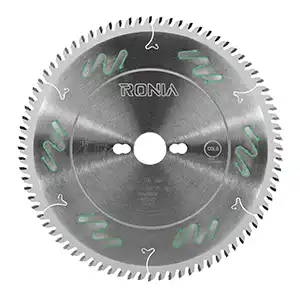
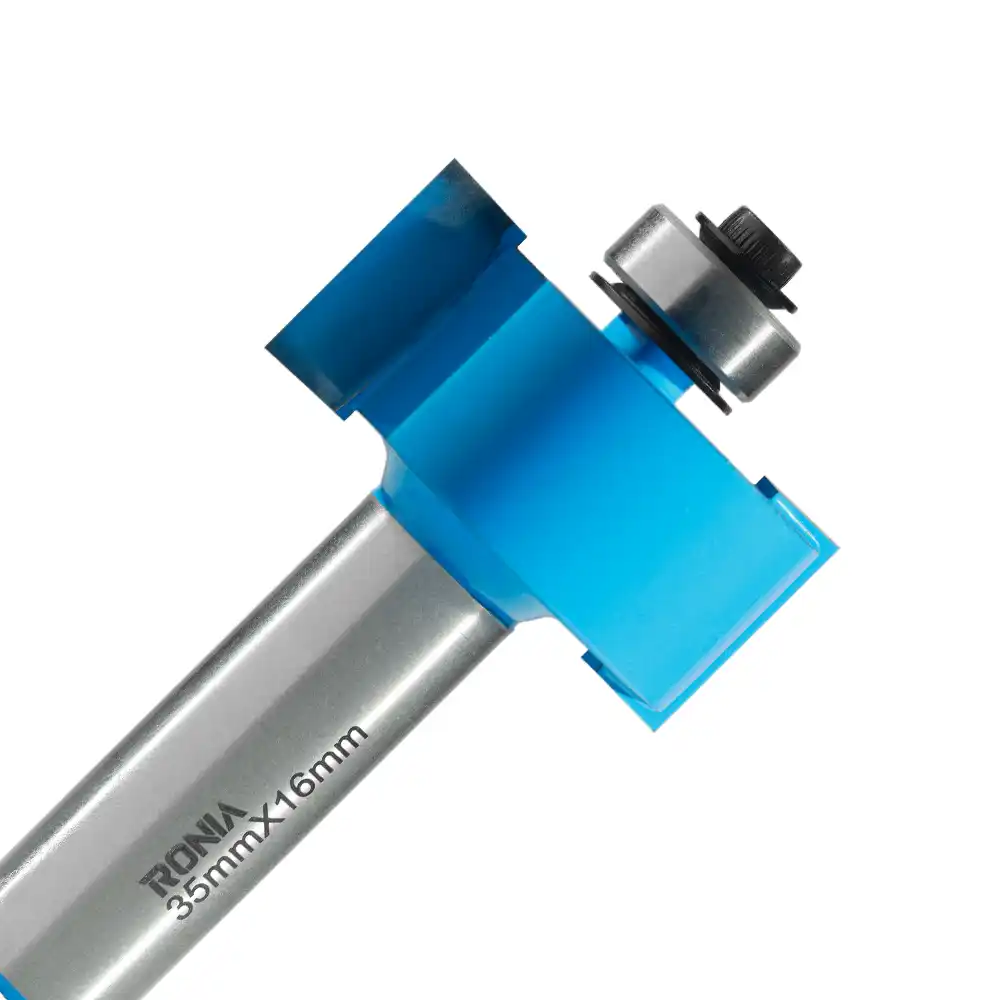
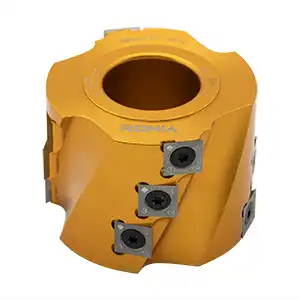
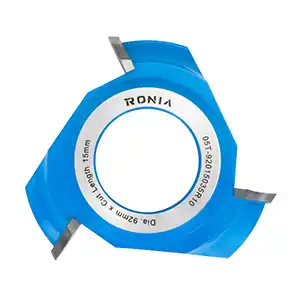
| Thumbnails | Products | D | Cutting Length | S | Z | Height |
|---|---|---|---|---|---|---|
![]() |
||||||
![]() |
||||||
![]() |
||||||
![]() |
Slotting Cutter Bit Solutions for Precise Professional Woodworking
Introduction
A reliable Slotting Cutter Bit helps workshops create clean, consistent grooves, slots, and channels across demanding woodworking projects. The right cutter improves cutting accuracy, production efficiency, and finish quality while reducing material waste and tool replacement costs. Whether you run a small cabinet workshop or an industrial manufacturing line, selecting the correct bit matters. Explore Ronia solutions and choose precision cutting tools built for dependable professional results.
What is a Slotting Cutter Bit?
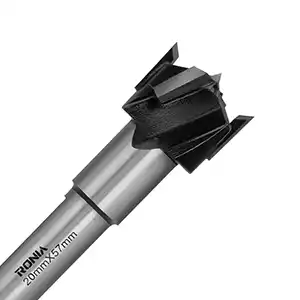
A Slotting Cutter Bit is a rotary cutting tool designed to machine narrow slots, grooves, and channels into wood and wood-based materials. It typically consists of a cutting body with hardened or carbide cutting edges and a shank compatible with a router or suitable spindle system.
During operation, the rotating cutter removes material as it travels through the workpiece. Depending on the cutter diameter, thickness, cutting depth, and bearing configuration, it can produce precise grooves for panels, joints, splines, decorative details, and assembly components. Slotting cutters are widely used in cabinetmaking, furniture production, joinery, sign making, and general woodworking.
Key Features and Benefits
- Durable cutting construction: High-quality cutting materials resist wear and maintain reliable performance during repeated professional use.
- Precise slotting performance: Accurate geometry helps create consistent groove dimensions and cleaner edges across multiple workpieces.
- Efficient material removal: Optimized cutting profiles remove material smoothly, helping operators complete repetitive tasks faster.
- Clean finished surfaces: Sharp cutting edges reduce unnecessary tearing and support a professional surface finish.
- Reliable tool compatibility: Correct shank dimensions and cutter specifications support secure installation on compatible routers and woodworking machines.
- Improved workshop safety: Properly matched cutters and operating conditions promote controlled cutting and reduce the risk of unstable tool behavior.
- Lower operating costs: Long service life and consistent performance can reduce frequent replacements, downtime, and wasted material.
Types of Slotting Cutter Bit
Slotting cutter bits can be grouped by cutting diameter, kerf thickness, cutting depth, and mounting configuration. Thin cutters are useful for narrow slots and light joinery, while wider profiles suit applications requiring larger channels or stronger connections. Carbide-tipped designs are especially practical for professional workshops because they combine cutting performance with improved wear resistance.
Bearing-guided slotting cutters include a bearing that helps control the cutting path and maintain consistent positioning. They are commonly used for controlled routing operations, panel work, and edge-related applications. Non-bearing versions rely on a router guide, fence, template, or machine setup for accurate movement.
The bit itself is normally powered indirectly by an electric router, CNC spindle, or woodworking machine rather than having its own motor. Battery-powered routers can support mobile workshop tasks, while pneumatic systems may be used in specialized industrial environments where compressed-air equipment is available.
How to Choose the Right Slotting Cutter Bit
- Match the material: Choose a cutter designed for the material you process most often, including hardwood, softwood, plywood, MDF, or laminated boards. Harder materials may require more wear-resistant cutting edges.
- Check dimensions: Confirm cutter diameter, kerf thickness, cutting depth, and shank size before purchasing. These specifications must match the required slot dimensions and your machine or router.
- Consider production volume: For occasional workshop projects, a standard professional cutter may provide sufficient value. High-volume manufacturing usually benefits from durable carbide construction and consistent cutting performance.
- Evaluate machine compatibility: Verify spindle speed requirements, mounting specifications, and available power before installation. Proper compatibility supports stable operation and helps protect both the cutter and machine.
- Balance budget and service life: Avoid choosing only by the lowest purchase price. A quality power tool accessory with longer working life can deliver better value through reduced downtime, replacement frequency, and material waste.
For demanding production, cutter selection should also reflect feed rate, spindle speed, and expected cutting depth. Using a suitable combination helps maintain stable cutting conditions and protects the workpiece from unnecessary heat or vibration. Operators should follow the machine manufacturer’s recommendations for speed, feed, depth, and safe handling. Regular inspection of cutting edges and mounting components also supports consistent results. Replacing worn cutters at the appropriate time can prevent declining finish quality and reduce pressure on the machine during production. These practices help workshops achieve repeatable results while keeping production schedules predictable across demanding daily production schedules consistently.
Why Choose Ronia for Slotting Cutter Bit
Ronia combines Turkish engineering and manufacturing expertise with practical solutions for professional woodworking applications. Its product approach focuses on dependable performance, accurate machining, and specifications suited to demanding workshops and industrial environments.
For B2B buyers, product quality is only part of the purchasing decision. Ronia supports professional customers with international-oriented manufacturing standards and product options designed to meet applicable market requirements. Where specified for the relevant product, CE and ISO certifications provide important assurance regarding manufacturing and quality processes.
Ronia also considers the long-term needs of workshops. Availability of spare parts can help extend equipment service life and reduce unnecessary downtime, while after-sales support assists customers with product selection, application questions, and ongoing requirements.
With global shipping availability, Ronia can serve woodworking professionals beyond the Turkish market. This makes the brand a practical sourcing partner for distributors, furniture manufacturers, cabinet producers, joinery businesses, and industrial workshops seeking industrial wood cutting equipment and dependable tooling solutions.
For export buyers, clear specifications also simplify procurement, quotation, inventory planning, and replacement ordering, especially when multiple machines or production sites require compatible tooling from one supplier for ongoing production requirements.
For buyers comparing the best woodworking tools for professional production, technical specifications should always be reviewed against the intended machine, material, and application. Ronia provides a focused range of woodworking solutions to help businesses select suitable equipment for their production needs