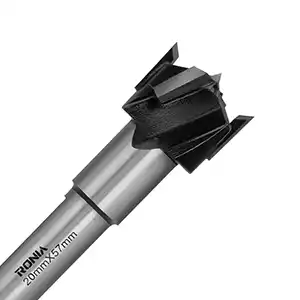
Solid Spiral Bits for High-Precision Woodworking and CNC Production
Solid Spiral Bits are essential for workshops and manufacturers that require clean cuts, efficient chip removal, and repeatable results. Designed for routing wood and engineered boards, their spiral geometry supports smooth material evacuation and precise cutting performance. Whether you run a compact workshop or a high-volume manufacturing facility, the right bit can improve productivity and finish quality. Explore Ronia Solid Spiral Bits to match your machines and applications.
What are Solid Spiral Bits?
Solid Spiral Bits are rotary cutting tools made from solid carbide and designed with helical cutting edges. Unlike straight-flute tools, their spiral geometry engages the material progressively, helping move chips away from the cutting area while maintaining controlled material removal. This design can reduce cutting resistance and support cleaner edges.
They are commonly used with CNC routers and compatible electric routing machines for cutting, grooving, slotting, profiling, pocketing, and trimming. Depending on their geometry, they can process solid wood, MDF, plywood, particleboard, laminates, and other wood-based materials. Correct diameter, flute direction, cutting length, and shank size are essential for reliable operation.
Key Features and Benefits
- Efficient Chip Evacuation: Spiral flutes help lift and remove chips from the cutting zone, supporting cleaner machining and reducing recutting.
- Precision Cutting: Accurate carbide geometry helps maintain consistent dimensions and repeatable results across production batches.
- Durable Construction: Solid carbide provides strong wear resistance and supports dependable performance during demanding routing operations.
- Smooth Finishing: Proper flute geometry can reduce tearing and improve edge quality on suitable materials and applications.
- Higher Productivity: Efficient cutting action can help operators maintain suitable feed rates and reduce unnecessary processing time.
- Reduced Vibration: Progressive engagement can support smoother cutting when the tool, machine, material, and operating parameters are correctly matched.
- Versatile Applications: Different diameters, flute configurations, and cutting lengths allow buyers to address varied woodworking requirements.
- Long-Term Value: Durable tooling can reduce replacement frequency and help manufacturers manage operating costs more effectively.
Types of Solid Spiral Bits
Upcut Spiral Bits direct chips upward and away from the workpiece, making them useful for deep slots, pockets, and applications where chip evacuation is a priority. They are often selected for CNC routing of wood and composite boards, especially when efficient removal of waste material is required.
Downcut Spiral Bits push chips downward toward the workpiece, which can help produce a cleaner top surface and support controlled cutting on thin materials. They are commonly used for panels, laminates, veneers, and applications where top-edge finish is important.
Compression Spiral Bits combine upcut and downcut geometry to help protect both the top and bottom surfaces of laminated or layered boards. They are widely used for plywood, MDF, melamine, and similar sheet materials where edge quality on both sides matters.
These tools typically operate with electric CNC routers and industrial routing systems. Battery-powered routers may support lighter workshop applications when specifications are compatible, while pneumatic routing equipment can be used in specialized production environments with suitable collets and operating parameters.
For industrial users, selecting between these types depends on material structure, desired surface finish, cutting depth, and chip evacuation requirements. Matching the flute geometry to the application helps improve consistency and can reduce edge damage, heat buildup, and premature tool wear.
When purchasing the best woodworking tools for professional production, buyers should evaluate more than the basic diameter. Flute configuration, cutting length, shank size, carbide quality, machine compatibility, and recommended operating parameters all influence practical performance. A properly selected tool can support faster workflows, cleaner components, and more predictable production results.
How to Choose the Right Solid Spiral Bits
- Match the material: Identify whether you mainly process solid wood, MDF, plywood, laminates, particleboard, or composite materials. Select flute geometry according to the material structure and required surface finish.
- Check machine compatibility: Confirm shank diameter, collet capacity, maximum spindle speed, and machine specifications before ordering. Proper compatibility supports stable operation and safer cutting.
- Consider production volume: A small workshop with occasional routing may need a flexible selection of common sizes. High-volume manufacturers should prioritize durable tools, repeatability, and consistent cutting performance.
- Select the correct geometry: Choose upcut, downcut, or compression designs according to chip evacuation, edge requirements, and workpiece construction. The correct geometry can reduce rework and improve finished quality.
- Balance budget and service life: Compare purchase price with expected durability, productivity, finish quality, and replacement frequency. Quality power tools for workshops and industrial tooling should be evaluated by total operating value rather than initial cost alone.
For demanding production schedules, consistent tooling selection simplifies operator training and machine setup. Standardizing frequently used bit sizes can make replacement planning easier and reduce interruptions caused by unexpected tool changes. Before production, verify recommended feed rates, spindle speeds, cutting depths, and workholding conditions. These checks help protect the tool, machine, and workpiece while supporting stable results over repeated production cycles.
Why Choose Ronia for Solid Spiral Bits
Ronia combines Turkish engineering and manufacturing experience with a practical focus on professional woodworking applications. Its product range is developed for workshops, furniture manufacturers, CNC operators, and industrial users seeking dependable cutting performance and consistent results.
Ronia follows quality-focused production practices and supports international requirements. Where applicable, CE and ISO certifications provide additional assurance for professional procurement and compliance needs. Buyers can also benefit from spare parts availability and after-sales support, helping maintain tooling and equipment over the working lifecycle.
For international customers, Ronia provides global shipping availability and business-to-business support. This makes the brand a practical source for industrial wood cutting equipment when reliable supply, technical assistance, and professional service are important purchasing considerations.