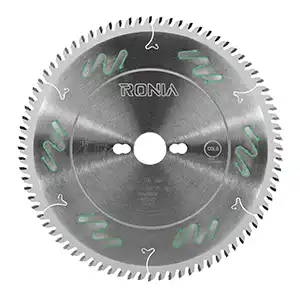
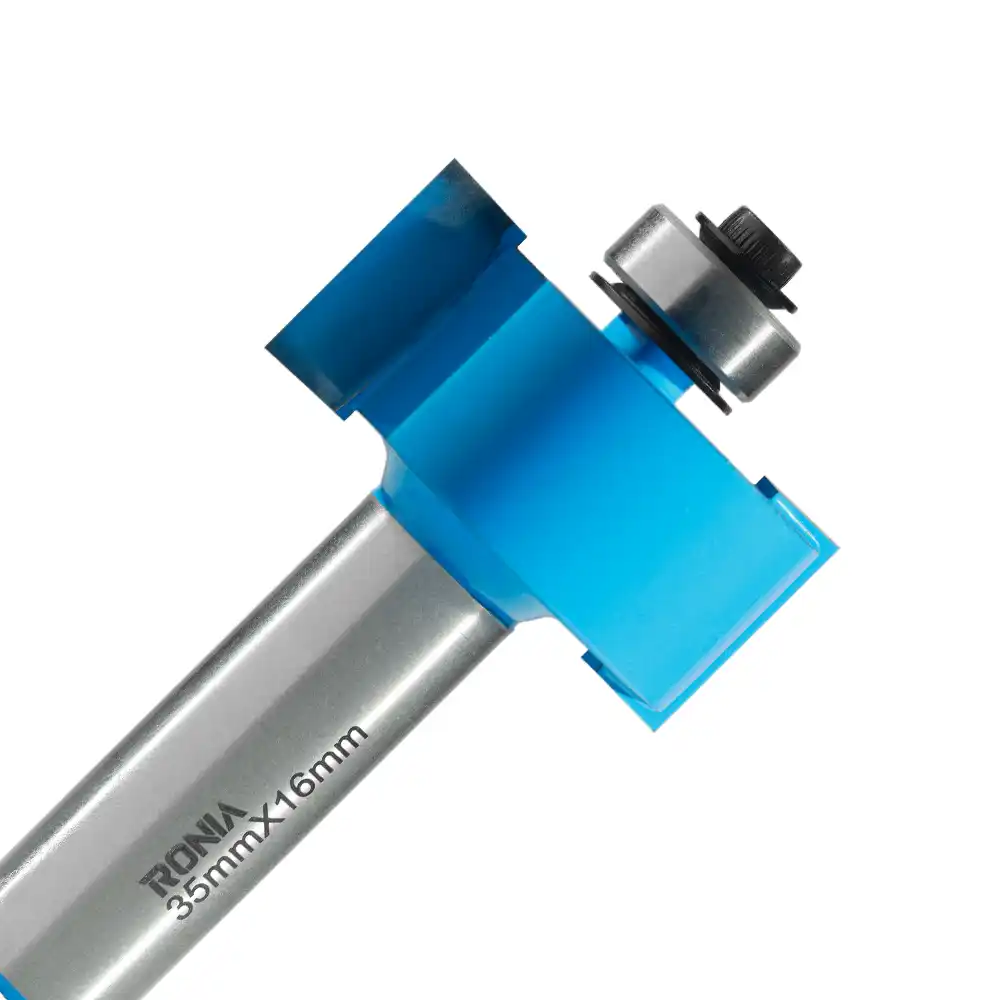
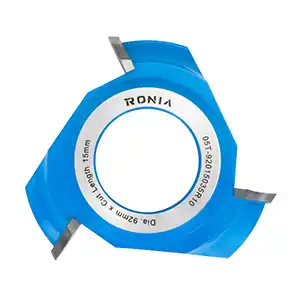
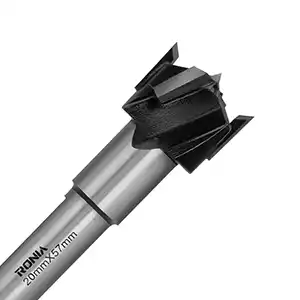
| Thumbnails | Products | Cutting Length | height | D | Z | S | R2 |
|---|---|---|---|---|---|---|---|
![]() |
|||||||
![]() |
|||||||
![]() |
|
||||||
![]() |
|
||||||
![]() |
|
|
|||||
![]() |
|
|
Solid Surface Bits for Precise, Professional Woodworking
Solid Surface Bits help professional workshops achieve clean, controlled cuts in solid surface materials, engineered panels, and other demanding substrates. For manufacturers, fabricators, and workshop owners, the right router bit improves edge quality, reduces rework, and supports consistent production. Explore Ronia’s Solid Surface Bits to match your equipment and material requirements, then choose a dependable cutting solution for your next project.
What are Solid Surface Bits?
Solid Surface Bits are precision cutting tools designed for routing, trimming, shaping, and profiling solid surface materials. They typically use durable cutting edges and carefully engineered geometries to remove material efficiently while maintaining a smooth, controlled cut.
These bits are commonly used with compatible routers and CNC equipment in furniture production, interior fabrication, countertop manufacturing, signage, and custom workshop applications. Selecting the correct diameter, cutting profile, shank size, and tool geometry helps operators achieve accurate results and extend tool life.
Key Features and Benefits
• Durable construction: Robust materials and cutting edges withstand demanding production conditions and repeated machining cycles.
• Precision cutting: Accurate geometry supports clean edges, consistent dimensions, and reliable finishing quality.
• Efficient material removal: Optimized cutting profiles help remove material smoothly while supporting productive machining.
• Improved surface quality: Properly selected bits reduce unwanted marks and help create professional-looking routed surfaces.
• Stable operation: Balanced construction supports controlled cutting and helps reduce unnecessary vibration during use.
• Workshop versatility: Suitable configurations allow professionals to handle different routing, trimming, and profiling requirements.
• Production efficiency: Reliable performance can reduce tool changes, finishing work, and avoidable production interruptions.
• Safe operation: Correct bit selection and compatible machine settings help operators maintain controlled and predictable cutting conditions.
Types of Solid Surface Bits
Straight Solid Surface Bits are designed for straightforward routing and trimming operations. They are useful for producing accurate cuts, opening sections, and preparing edges in workshop and fabrication environments. They are commonly paired with electric routers or CNC machines.
Flush Trim Bits are designed to trim one surface accurately against a template, reference edge, or previously machined section. They are useful for countertop fabrication, furniture components, and repeatable production tasks where consistent edge alignment matters.
Edge Profiling Bits create shaped edges for functional or decorative purposes. Depending on the profile, they can support rounding, beveling, or other finishing operations on suitable materials. Electric routers and CNC equipment are common power sources for these applications.
Specialized CNC Solid Surface Bits are engineered for automated production and repeated machining cycles. They can be selected according to machine specifications, material characteristics, cutting depth, and production requirements. Battery or pneumatic power is not normally the defining feature of the bit itself, although compatible routing systems may use different power configurations.
How to Choose the Right Solid Surface Bits
- Match the material: Identify the exact solid surface or composite material before selecting a bit. Material hardness and composition affect cutting geometry, edge durability, and recommended operating conditions.
- Check machine compatibility: Confirm the router or CNC machine supports the required shank diameter, bit dimensions, and operating speed. Proper compatibility improves stability and helps prevent avoidable tool or machine issues.
- Consider production volume: A small workshop with occasional jobs may prioritize flexibility and cost efficiency. High-volume manufacturers should consider durable tooling designed for repeated operation and consistent output.
- Select the required profile: Define whether you need trimming, straight cutting, edge shaping, or another operation. Choosing the correct geometry reduces unnecessary finishing work and supports the desired result.
- Balance performance and budget: Compare expected tool life, machining quality, replacement frequency, and purchase cost rather than focusing only on the initial price. For demanding production, dependable tooling can support lower operating costs over time.
Why Choose Ronia for Solid Surface Bits
Ronia combines Turkish engineering and manufacturing expertise with a practical focus on professional woodworking and fabrication requirements. Its product approach is designed to support workshops and industrial users seeking dependable performance, accurate machining, and consistent results.
For B2B buyers, quality assurance and documentation are important considerations. Ronia supports international market requirements with products and manufacturing processes aligned with applicable standards, including CE and ISO certifications where relevant. Buyers should check the specific certification and documentation provided for each product.
Ronia also supports long-term purchasing through spare parts availability and after-sales assistance. This can help workshops maintain equipment, address operational questions, and reduce unnecessary downtime when support is required.
Global shipping availability makes Ronia a practical sourcing option for international customers. Whether you operate a compact workshop or a larger manufacturing facility, you can explore suitable tooling and discuss requirements with the sales team.
For demanding fabrication environments, tooling choice also affects workflow consistency. A bit that matches the machine, material, and cutting operation can help operators maintain repeatable results across multiple workpieces. This is especially valuable when orders require identical dimensions, clean edges, and dependable finishing with limited manual correction. Before placing a larger B2B order, review the technical specifications and confirm the intended application with your purchasing or production team. Consider keeping commonly used sizes available to reduce delays when production schedules change. Routine inspection of cutting edges, correct machine settings, secure workholding, and appropriate feed rates also contribute to reliable results. These practices help teams use industrial wood cutting equipment more effectively while protecting the workpiece and supporting a safer, more organized workshop environment. Ronia can help buyers identify suitable options according to equipment, material, application, and production requirements. This approach supports predictable purchasing and easier stock planning.