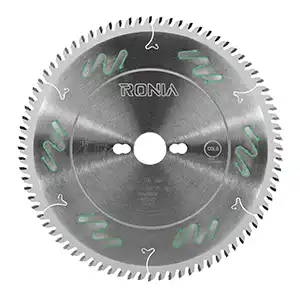
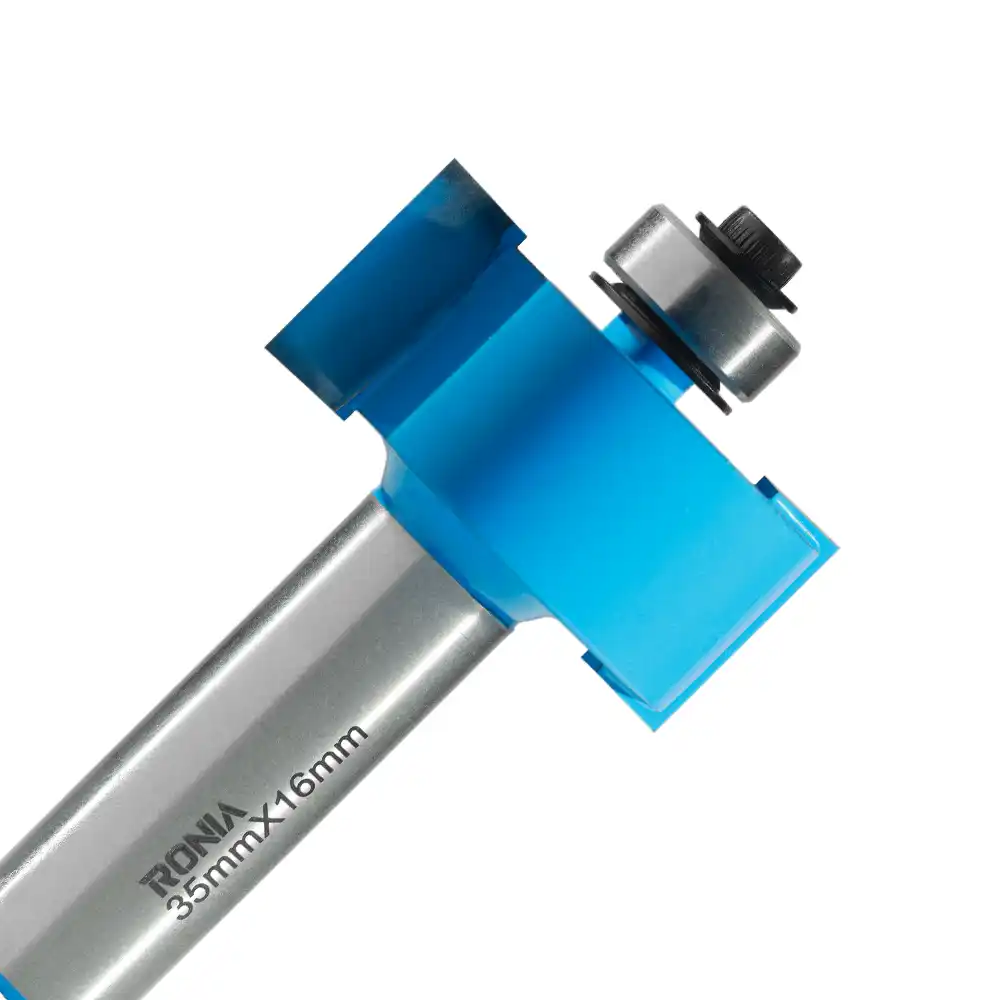
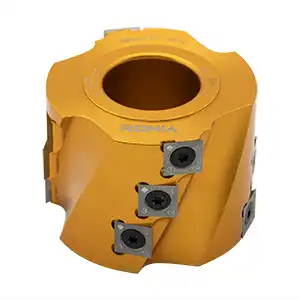
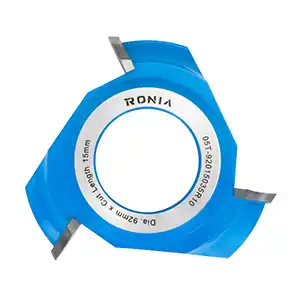
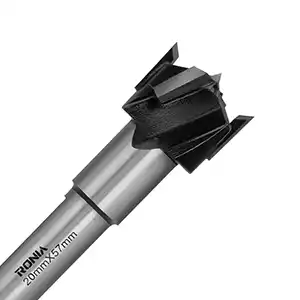
Plunge Cut Roundover Bits

Plunge Cut Roundover Bits for Precise Professional Woodworking

Plunge Cut Roundover Bits help workshops create smooth, controlled rounded edges while cutting directly into wood surfaces with a clean entry point. For cabinet makers, furniture manufacturers, joinery specialists, and industrial workshops, the right router bit can improve finish quality, reduce rework, and support consistent production. Explore Ronia Plunge Cut Roundover Bits to match your routing needs, material, and production demands with dependable cutting performance.

What is Plunge Cut Roundover Bits?

Plunge Cut Roundover Bits are router accessories designed to form a rounded profile on the edge of wooden workpieces while allowing the cutter to enter the material from the surface. Their cutting geometry combines a plunge-capable design with a rounded cutting profile, helping operators create controlled edge details without starting from an open edge.

These bits are commonly used for furniture components, cabinet doors, shelves, decorative panels, frames, and custom joinery. Depending on the bit specification and router setup, they can process hardwood, softwood, plywood, MDF, and other suitable wood-based materials. Correct feed speed, cutting depth, spindle speed, and workpiece support are essential for a clean result and safe operation.

Key Features and Benefits

  • Precision cutting delivers consistent rounded profiles across repeated workpieces, supporting professional furniture and joinery production.
  • Durable construction helps the cutting edges withstand demanding workshop use and maintain reliable performance over longer production cycles.
  • Clean edge formation reduces splintering and finishing work, helping operators achieve surfaces that require less sanding and correction.
  • Efficient material removal supports faster routing operations while maintaining control over the cutting path and final profile.
  • Versatile applications make these bits useful for cabinets, furniture, doors, panels, shelves, trim, and decorative woodworking projects.
  • Stable operation improves handling during routing and helps experienced operators maintain predictable results across different workpiece sizes.
  • Professional compatibility allows integration with suitable electric routers and routing machines used in workshops and manufacturing environments.

Types of Plunge Cut Roundover Bits

Plunge-capable roundover bits are available in different cutting radii and shank configurations. Smaller radii suit compact details, cabinet components, and light decorative work, while larger radii create stronger, softer edge profiles for furniture parts and visible surfaces. Selecting the correct radius depends on the required design and material thickness.

Electric router setups are common for workshops because they offer adjustable speed and practical portability. They are suitable for low to medium production volumes and on-site woodworking. In industrial environments, router machines with stable fixtures can support repeatable production and higher workloads.

Battery-powered routers provide greater mobility where cables are inconvenient, making them useful for installation work, repairs, and smaller jobs. Pneumatic routing systems can also be used in specialized industrial environments where compressed air is available and equipment requirements support that configuration. Always verify compatibility before purchase.

How to Choose the Right Plunge Cut Roundover Bits

  1. Match the cutting radius to the required edge profile. Measure the desired roundover and compare it with the bit specification before ordering. A correctly matched radius improves consistency and reduces unnecessary passes.
  2. Consider workshop size and production volume. A small workshop may prioritize versatile bits and flexible router compatibility, while a high-output manufacturer should focus on durable construction, repeatability, and efficient cutting performance.
  3. Select the bit for the material. Hardwood, softwood, plywood, and MDF can behave differently during routing. Check the recommended application range, cutting geometry, and operating parameters to reduce chipping and premature wear.
  4. Check machine compatibility. Confirm the shank diameter, router capacity, spindle speed range, and available cutting depth. Proper compatibility supports stable operation and helps prevent unsuitable setups.
  5. Balance performance and budget. Low purchase cost does not always mean lower operating cost. Durable, precision-made bits can reduce replacement frequency, finishing work, and production interruptions, making them valuable components of quality power tools for workshops.

For production teams, tooling consistency also affects downstream assembly and finishing. A stable roundover profile can make matching components easier, improve visual uniformity across a product range, and simplify quality inspection. Before starting a production run, test the selected bit on a sample piece and confirm the desired radius, surface finish, feed direction, and cutting depth. Keep cutters clean and inspect cutting edges regularly for wear or damage. Following the router manufacturer’s operating guidance and using appropriate workholding can further improve control. These practical steps help workshops gain more value from their tooling investment while maintaining repeatable output throughout demanding production schedules and varied woodworking applications. They also help reduce avoidable waste and support safer, more organized production routines.

Why Choose Ronia for Plunge Cut Roundover Bits

Ronia combines Turkish engineering and manufacturing experience with a practical understanding of professional woodworking requirements. Its product approach focuses on dependable cutting performance, consistent manufacturing quality, and solutions suitable for workshops, furniture producers, and industrial users.

For international B2B buyers, quality control and documented standards are important purchasing considerations. Ronia supports professional requirements with products aligned with applicable CE standards and ISO-based quality practices, helping businesses source industrial wood cutting equipment with greater confidence. Buyers should review the specific product documentation and certification details for each item.

Ronia also supports long-term equipment use through spare parts availability and after-sales assistance. Access to compatible replacement components can help reduce downtime and keep production moving when maintenance is required. Technical support can also help buyers select suitable products and understand operating requirements.

Global shipping availability makes Ronia a practical sourcing partner for distributors, workshops, contractors, and manufacturers outside Turkey. Whether you need individual routing accessories or broader woodworking solutions, the team can support international purchasing and product selection.