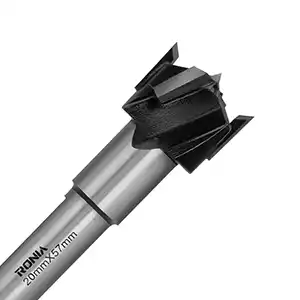
Engraving Bits for Precision Woodworking and Industrial Production

Accurate engraving requires a cutting tool that delivers clean lines, controlled depth, and consistent results across repeated jobs. Engraving Bits are designed for detailed routing, lettering, decorative patterns, signs, panels, and precision furniture work. For workshops and manufacturers, the right bit improves finish quality while reducing rework. Explore Ronia’s engraving solutions to match your machine, material, profile, and production requirements with greater confidence.

What are Engraving Bits?

Engraving Bits are specialized rotary cutting tools used to remove small amounts of material and create precise lines, grooves, letters, symbols, or decorative details on a workpiece. Their narrow cutting geometry allows operators to produce fine profiles that standard routing tools may not achieve effectively.

These bits are commonly used with CNC routers, engraving machines, and compatible electric routing equipment. Depending on their geometry and construction, they can process materials such as solid wood, MDF, plywood, plastics, composites, and selected non-ferrous materials. The machine rotates the bit at controlled speed while programmed tool paths guide the cutter across the surface. Correct feed rate, spindle speed, depth, and workholding are essential for clean and repeatable results.

Tool geometry also affects the final appearance of engraved surfaces. Narrow angles can create fine visual details, while wider profiles can produce stronger grooves and more visible lettering. For production teams, keeping proven tool specifications documented makes repeat jobs easier to reproduce. Operators should also inspect cutting edges regularly and replace worn tools before quality declines. Routine inspection, correct storage, and clean collets help maintain accuracy, extend usable tool life, and reduce avoidable machining interruptions during demanding production schedules and support predictable daily output.

Key Features and Benefits

  • High precision: Fine cutting geometry supports accurate lettering, grooves, outlines, and decorative details for professional finished surfaces.
  • Durable construction: Quality carbide materials can withstand repeated machining and maintain useful cutting performance when operated within recommended parameters.
  • Clean results: Sharp cutting edges help reduce burrs, tear-out, and unwanted surface marks when the tool is matched to the workpiece.
  • Efficient machining: Purpose-built geometry allows CNC equipment to complete detailed operations with controlled passes and predictable tool paths.
  • Consistent production: A suitable engraving cutter helps reproduce identical designs across batches, supporting reliable quality control.
  • Broad compatibility: Different shank sizes and geometries make it possible to select tools for various CNC routers and engraving machines.
  • Safer operation: Properly balanced tools, secure collet engagement, and recommended machine settings support stable cutting and controlled operation.

Types of Engraving Bits

V-Bit Engraving Cutters are widely used for lettering, signs, borders, logos, and decorative grooves. Their angled cutting edges create a V-shaped channel whose width and depth vary with the programmed tool path. They are especially useful for CNC woodworking and detailed sign production.

Straight Engraving Bits use a narrow cutting profile to create fine lines, slots, and simple recessed details. They can be suitable for controlled lettering and technical patterns where a consistent-width groove is required. Electric CNC routers are common power sources, while battery-powered routing equipment can serve portable or low-volume applications when compatible.

Ball Nose Engraving Bits have a rounded cutting end that produces smooth contours and detailed three-dimensional surfaces. They are useful for relief carving, sculpted patterns, molds, and decorative woodworking. Pneumatic CNC systems may be used in specialized industrial environments, although electric spindle machines remain common for general routing applications.

Single-Flute and Multi-Flute Designs are selected according to material, machine capability, chip evacuation needs, and production conditions. Single-flute options can provide effective chip clearance in suitable materials, while multi-flute cutters can support different finishing and feed requirements.

How to Choose the Right Engraving Bits

  1. Match the machine: Confirm shank diameter, collet compatibility, spindle speed range, maximum tool dimensions, and machine specifications before ordering. Proper compatibility supports stable cutting and reduces setup problems.
  2. Consider workshop size: Small workshops may prioritize versatile bits for signs, furniture, and custom projects. Larger manufacturers can select dedicated tools for standardized operations and automated CNC production.
  3. Match the material: Select cutting geometry according to hardwood, softwood, MDF, plywood, plastic, composite, or another approved material. Material hardness and structure influence feed rates, spindle speed, edge wear, and surface quality.
  4. Evaluate production volume: Low-volume users may prioritize flexibility and purchase cost, while high-volume operations should focus on tool life, repeatability, cycle efficiency, and consistent finishing performance.
  5. Balance budget and operating cost: Compare the purchase price with expected service life, replacement frequency, machining speed, and potential downtime. Investing in quality power tools for workshops can support lower long-term production costs.

Why Choose Ronia for Engraving Bits

Ronia combines Turkish engineering and manufacturing quality with solutions developed for professional woodworking and precision routing applications. For B2B buyers, reliable tool construction and consistent machining performance can support production planning, quality control, and repeat orders.

Ronia products are aligned with applicable international requirements, including CE and ISO standards and certifications where relevant. These considerations help professional customers evaluate equipment and tooling for demanding workshop and manufacturing environments.

After-sales support is also important when production depends on reliable tooling. Ronia provides spare parts availability and customer support to help businesses address maintenance and replacement requirements efficiently. Global shipping availability enables workshops, distributors, and industrial manufacturers in international markets to source suitable products from Turkey.

For companies building or upgrading their production setup, Engraving Bits can complement CNC routers and other industrial wood cutting equipment by adding detailed machining capability. Selecting the correct cutter for the machine and material helps protect investment while improving workflow consistency. Ronia’s broader range of best woodworking tools supports professionals seeking dependable solutions for varied routing and manufacturing tasks.