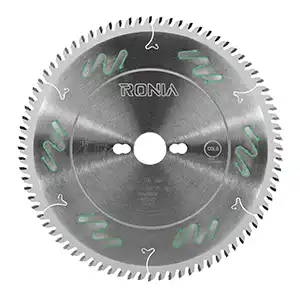
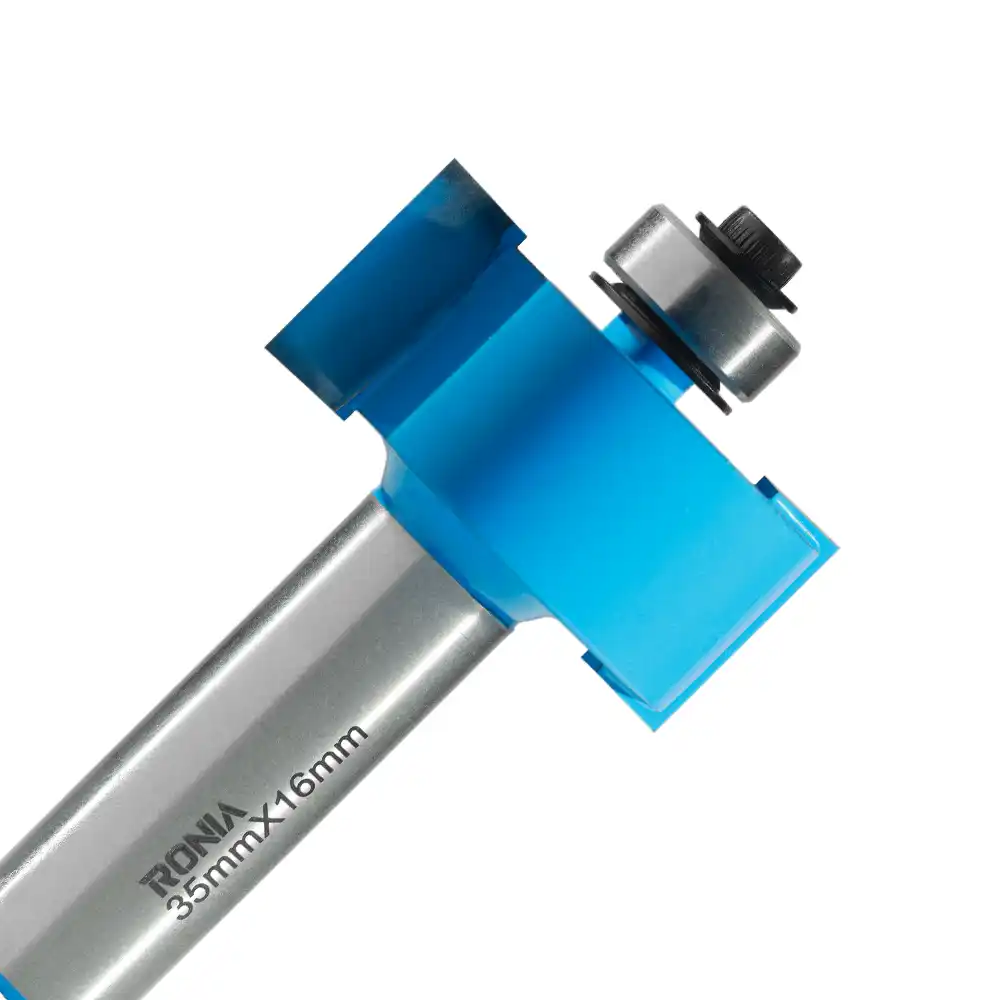
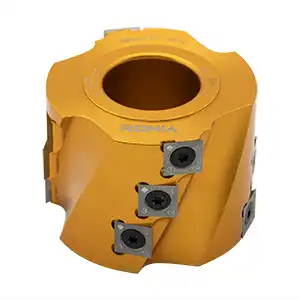
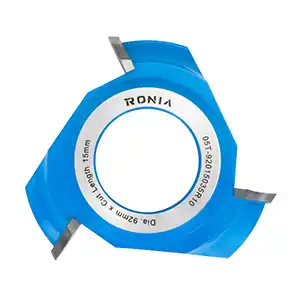
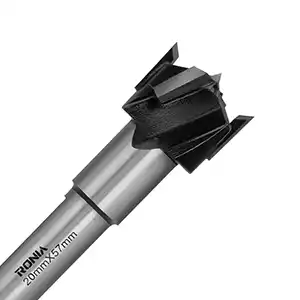
| Thumbnails | Products | Cutting Length | height | D | Z | S |
|---|---|---|---|---|---|---|
![]() |
||||||
![]() |
||||||
![]() |
||||||
![]() |
||||||
![]() |
||||||
![]() |
Solid Carbide Cutting Parts for Precision Woodworking Production
Solid Carbide Cutting Parts are essential for professional manufacturers seeking accurate, durable, and consistent machining performance. Designed for demanding cutting operations, these components help workshops process wood, engineered panels, laminates, and other materials with controlled results. Ronia supplies precision-focused solutions for industrial users and woodworking professionals. Explore the range to identify suitable cutting parts for your machinery, production requirements, and material applications.
What are Solid Carbide Cutting Parts?
Solid Carbide Cutting Parts are precision-machined components manufactured from carbide throughout their cutting body. Unlike tools that use only carbide tips, solid carbide construction provides a rigid cutting structure designed to withstand demanding machining conditions. Their hardness and wear resistance make them suitable for repeated cutting, routing, grooving, trimming, drilling, and profiling operations.
These parts can be used in compatible woodworking machinery, CNC routers, automatic production systems, and specialized cutting equipment. Depending on their geometry and dimensions, they can process solid wood, MDF, HDF, plywood, particleboard, laminates, composites, and other industrial materials. Proper selection helps manufacturers achieve stable cutting performance, accurate dimensions, and longer tool service intervals.
Key Features and Benefits
- High wear resistance: Solid carbide construction withstands repeated cutting contact and helps maintain useful edge performance during demanding production cycles.
- Precision machining: Accurate geometry supports controlled material removal, consistent dimensions, and repeatable results across production batches.
- Excellent rigidity: The solid carbide body reduces unwanted flex during suitable applications, supporting stable cutting and improved process control.
- Clean cutting performance: Sharp, precisely manufactured edges can reduce surface defects and minimize secondary finishing work.
- Long service potential: Resistance to abrasion can extend usable tool life when operating conditions, speeds, and feeds are correctly matched.
- Production efficiency: Reliable cutting performance helps reduce unnecessary tool changes, interruptions, and rework in repetitive manufacturing.
- Material versatility: Suitable configurations can support multiple wood-based materials and selected composite or laminate applications.
- Professional reliability: Consistent manufacturing quality helps workshops maintain predictable results and simplify tooling decisions.
Types of Solid Carbide Cutting Parts
Solid Carbide Router Cutters: These cutting parts are designed for routing, profiling, grooving, and trimming operations. They are commonly used with electric CNC routers and industrial routing machines for furniture, cabinetry, doors, panels, and detailed components.
Solid Carbide End Mills: End mills provide controlled cutting for slotting, pocketing, profiling, and contouring. They are frequently selected for CNC applications involving MDF, plywood, solid wood, plastics, and suitable composite materials.
Solid Carbide Drill Components: These parts are engineered for accurate hole-making and repetitive drilling applications. Depending on the machine, they may operate in electric automated systems or specialized production equipment where consistent hole quality is required.
Specialty Cutting Profiles: Custom or application-specific carbide profiles can address particular routing and machining requirements. These solutions are useful when standard geometries cannot provide the desired profile, finish, or production efficiency.
Solid Carbide Cutting Parts are cutting components rather than standalone power tools, so their power source depends on the compatible machine. Electric CNC systems are common in woodworking production, while battery-powered or pneumatic equipment may be used for specific portable or specialized applications.
How to Choose the Right Solid Carbide Cutting Parts
- Match the material: Identify whether you mainly process solid wood, MDF, HDF, plywood, laminates, or composites. Material hardness, abrasiveness, and structure should guide the cutting geometry and carbide specification.
- Check machine compatibility: Confirm the required diameter, shank, dimensions, mounting method, spindle compatibility, and operating speed. Correct specifications improve stability and reduce the risk of unsuitable tool operation.
- Consider production volume: Small workshops may prioritize versatile tools and manageable purchasing costs, while high-volume manufacturers should consider wear resistance, repeatability, service intervals, and total operating cost.
- Evaluate the cutting application: Choose geometry according to routing, grooving, drilling, profiling, trimming, or contouring requirements. The correct profile can improve surface quality and reduce unnecessary finishing.
- Balance quality and budget: Compare expected tool life, production performance, replacement frequency, and maintenance requirements rather than focusing only on purchase price. This approach helps buyers select quality power tools for workshops and professional industrial tooling.
For buyers comparing the best woodworking tools, Solid Carbide Cutting Parts should be evaluated as part of the complete machining process. Spindle capability, machine rigidity, workholding, feed rate, cutting speed, and material characteristics all affect performance. Matching the cutting part to the complete system can help manufacturers reduce rework and maintain consistent output.
For industrial wood cutting equipment, dependable carbide components can also support predictable maintenance planning. Standardizing proven specifications across similar machines may simplify purchasing, operator training, and inventory control. When production involves repeated cabinet parts, furniture panels, doors, or joinery components, consistent cutting geometry can help maintain dimensional accuracy from batch to batch while supporting overall efficient workflow management and reducing unexpected tooling changes.
Why Choose Ronia for Solid Carbide Cutting Parts
Ronia combines Turkish engineering and manufacturing expertise with a practical focus on professional woodworking and industrial machining requirements. Its product range is developed for businesses seeking dependable cutting performance, repeatable results, and solutions suitable for demanding production environments.
For international B2B buyers, compliance and manufacturing standards are important purchasing considerations. Ronia supports professional procurement requirements with products and manufacturing processes aligned with relevant international standards, including CE and ISO certifications where applicable to the product or production process.
Ronia also provides support beyond the initial purchase. Availability of spare parts and replacement components can help customers maintain equipment and reduce avoidable downtime. After-sales support assists buyers with product selection, technical questions, and ongoing service requirements.
Global shipping availability makes Ronia a practical sourcing partner for workshops, distributors, contractors, and industrial manufacturers in international markets. Customers can source woodworking solutions from Turkey while receiving support designed around professional purchasing needs.