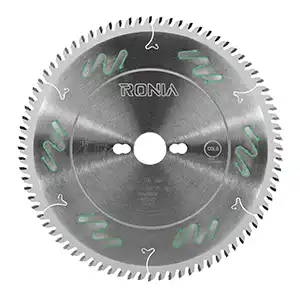
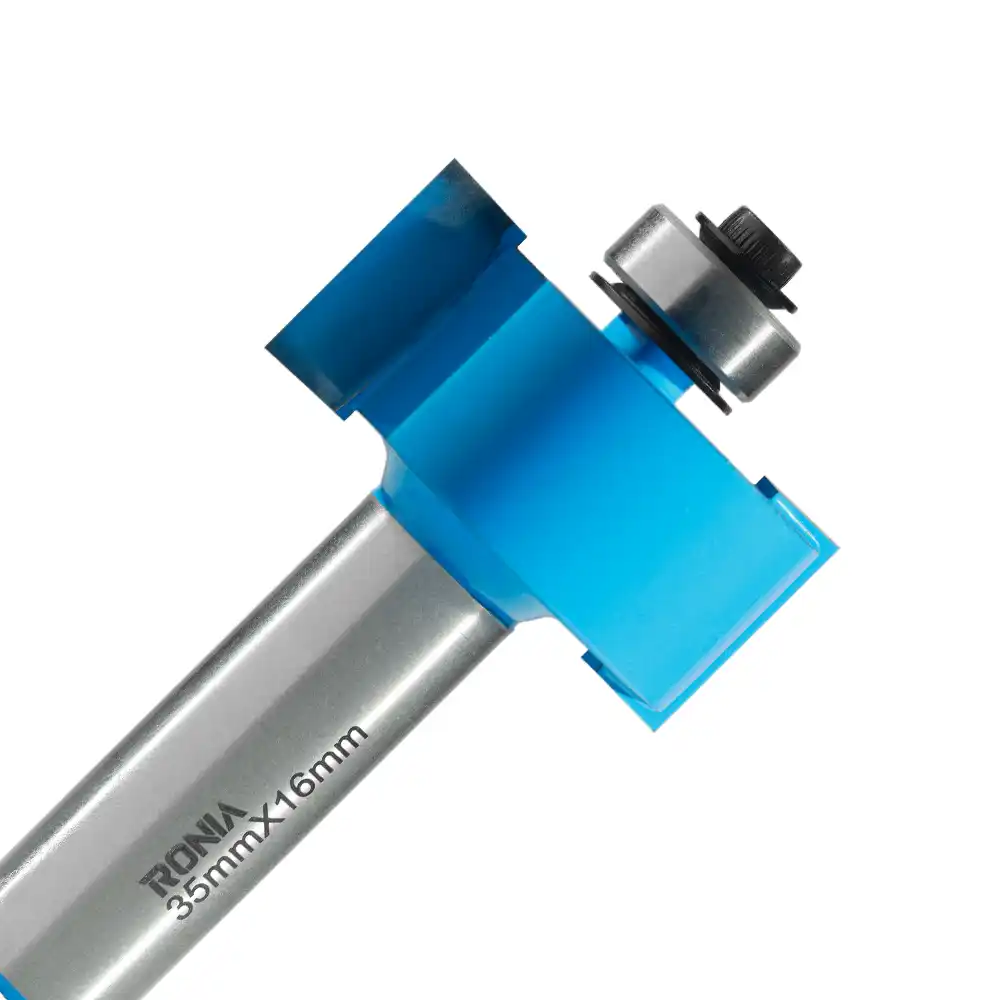
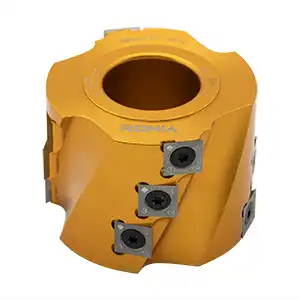
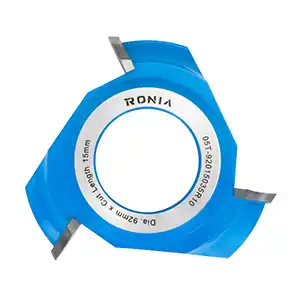
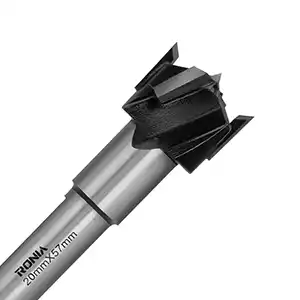
| Thumbnails | Products | Cutting Length | height | D | Z | S |
|---|---|---|---|---|---|---|
![]() |
||||||
![]() |
|
|||||
![]() |
|
|||||
![]() |
|
|||||
![]() |
|
|||||
![]() |
|
|||||
![]() |
|
|||||
![]() |
|
Shaper Cutters for Precision Woodworking and Industrial Production
Introduction
Professional routing and shaping require cutting tools that deliver accurate profiles, clean surfaces. Shaper Cutters help manufacturers create decorative edges, grooves, joints, and custom profiles efficiently for demanding professional woodworking applications. Whether you operate a compact workshop or a high-volume production facility, selecting the right cutter can improve productivity and reduce finishing work. Explore Ronia’s Shaper Cutters to find dependable tooling for your production requirements.
What Are Shaper Cutters?
Shaper Cutters are rotary cutting tools designed to remove material and create specific profiles on wood and suitable engineered panels. They are commonly mounted on spindle shaper machines, which rotate the cutter at controlled speeds while the workpiece moves against the cutting edges.
These tools are widely used for edge profiling, decorative shaping, rabbets, grooves, joints, moldings, and specialized woodworking operations. Depending on their construction, Shaper Cutters may use carbide or other durable cutting materials to maintain cutting performance during repeated production.
In furniture manufacturing, joinery, cabinetry, door production, and architectural woodworking, consistent profile dimensions are essential. A correctly selected cutter helps operators achieve repeatable results, reduce manual finishing, and maintain efficient production workflows.
Shaper Cutters are generally used with electric-powered spindle shapers. Battery-powered equipment is uncommon for stationary shaper operations, while pneumatic systems may support specialized machinery or auxiliary functions. Always confirm machine compatibility, cutter dimensions, and recommended operating conditions before installation.
Key Features and Benefits
- Precision profiling: Accurate cutting geometry helps create consistent edges, grooves, joints, and decorative profiles.
- Durable construction: Robust materials support repeated machining in demanding professional environments.
- Clean cutting: Sharp cutting edges help reduce tearing and improve surface quality.
- Efficient material removal: Effective geometry helps shorten machining cycles and increase production output.
- Profile consistency: Stable tooling supports repeatable dimensions across multiple components.
- Material versatility: Suitable cutters can process solid wood, MDF, plywood, particleboard, and engineered materials.
- Secure mounting: Correct bore and mounting specifications help maintain tool stability.
- Reduced rework: Accurate shaping minimizes dimensional errors and additional manual finishing.
- Long service life: Wear-resistant cutting elements can extend operating intervals when properly maintained.
- Improved productivity: Reliable tooling helps workshops maintain efficient workflows.
Types of Shaper Cutters
Profile Shaper Cutters
Profile shaper cutters create decorative or functional contours along the edges and surfaces of wooden components. They are commonly used for furniture, doors, architectural trim, and custom woodworking projects. Different profile geometries allow manufacturers to produce distinct edge shapes and design details.
Groove and Rabbet Cutters
Groove and rabbet cutters create channels, steps, and recessed sections used for assembly and joinery. They support cabinet construction, panel fitting, shelving, and furniture components requiring accurate connections. Proper cutter dimensions help maintain consistent depth and width.
Jointing Shaper Cutters
Jointing cutters are designed for woodworking joints that connect separate components accurately. They can support tongue-and-groove, rebate, and other specialized connections. These cutters are valuable for manufacturers where joint strength, alignment, and repeatability are important.
Carbide Shaper Cutters
Carbide shaper cutters use durable carbide cutting elements to provide strong wear resistance in suitable applications. They are useful for repeated production involving solid wood and engineered panels. Correct cutting speed, feed rate, and machine setup are essential for maintaining performance.
Adjustable Shaper Cutters
Adjustable cutters allow operators to modify certain cutting dimensions or configurations according to the required application. They can provide flexibility for workshops handling different profiles. Their adjustment range and compatibility should be checked before purchase.
Electric and Pneumatic Applications
Electric spindle shapers are the most common power source for professional shaper cutter operations. Pneumatic systems can support selected specialized machines or auxiliary operations where compressed air is available. Battery-powered equipment is generally better suited to portable woodworking tasks than stationary shaping.
How to Choose the Right Shaper Cutters
- Assess workshop size: Small workshops should select versatile cutters compatible with their existing spindle shaper. Larger facilities can benefit from dedicated tooling optimized for continuous production.
- Evaluate production volume: Occasional projects may require economical general-purpose cutters. High-volume manufacturers should prioritize durable cutting elements, consistent performance, and longer service intervals.
- Match the material: Identify whether you primarily process solid wood, MDF, plywood, or particleboard. Material characteristics affect cutter geometry, cutting speed, and wear resistance.
- Check machine specifications: Confirm cutter diameter, bore size, spindle compatibility, rotation direction, and operating speed. Correct matching improves stability and supports safer operation.
- Calculate total value: Compare purchase price with expected service life, productivity, finishing quality, and maintenance. Investing in quality power tools for workshops and compatible cutters can improve long-term efficiency.
Why Choose Ronia for Shaper Cutters?
Ronia is an established Turkish industrial brand supplying woodworking machinery, power tools, and precision cutting tools to global professional customers. Its product range focuses on engineering, dependable performance, and solutions for workshops, furniture manufacturers, and industrial production facilities.
Ronia’s Turkish engineering and manufacturing background supports the supply of woodworking solutions designed for demanding applications. Buyers can select tooling according to their material requirements, machine specifications, production volume, and desired machining results.
For businesses sourcing industrial wood cutting equipment, quality and compliance are important purchasing considerations. Ronia offers products associated with international market requirements, including CE and ISO-related standards where applicable. Certification scope can vary by product, so customers should review the technical documentation before purchase.
Reliable industrial tooling also requires dependable support after purchase. Ronia provides product guidance, spare-parts availability, and after-sales assistance to help customers maintain equipment performance. Availability of specific parts and services may depend on the model and destination.
Ronia also offers global shipping availability for international buyers. Distributors, workshop owners, and furniture factories can discuss product specifications, order quantities, delivery destinations, and requirements with the sales team. This makes Ronia a sourcing option for cabinet makers, furniture producers, door manufacturers, and joinery specialists seeking dependable results.