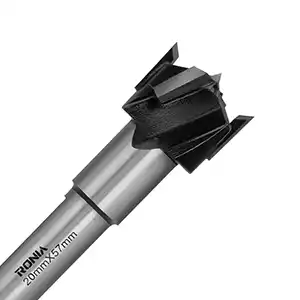
Cutting Tools for Precision Woodworking and Industrial Production
Modern woodworking depends on cutting tools that deliver clean edges, accurate dimensions, and consistent results across demanding production runs. For furniture manufacturers, cabinet makers, and professional workshops, the right tooling directly affects productivity, material quality, and operating costs. Ronia supplies precision cutting solutions designed for professional applications. Explore the Cutting Tools range to find reliable options for your materials, machinery, and production requirements, then contact the sales team for expert guidance.
What are Cutting Tools?
Cutting Tools are precision-engineered components used to remove material from wood, wood-based panels, and other materials during machining. Depending on their design, they can perform operations such as sawing, routing, trimming, grooving, drilling, profiling, and shaping.
In woodworking, cutting tools work with CNC machines, routers, saws, and other powered equipment to create accurate profiles and finished surfaces. Tool geometry, cutting diameter, number of teeth, material composition, and operating speed all influence machining performance. Selecting compatible tooling helps manufacturers maintain accuracy while extending tool life and controlling production costs.
Key Features and Benefits
High precision: Accurate cutting geometry helps produce clean edges, consistent dimensions, and repeatable results across production batches.
Durable construction: Quality materials and robust manufacturing help cutting tools withstand demanding machining conditions and extended workloads.
Efficient performance: Optimized tool geometry supports faster material removal while reducing unnecessary machining time and energy consumption.
Clean finishing: Properly selected cutting edges minimize chipping, tearing, and surface imperfections on suitable materials.
Machine compatibility: Different tool configurations can support CNC routers, panel processing systems, woodworking machinery, and professional power equipment.
Reduced waste: Accurate machining can lower material losses caused by incorrect cuts, damaged edges, or repeated processing.
Professional versatility: A suitable tooling range allows workshops to handle different profiles, materials, thicknesses, and production requirements.
For businesses seeking industrial wood cutting equipment, choosing the right tool is as important as selecting the machine itself. A compatible cutting solution can improve machining speed, protect workpiece quality, and reduce interruptions caused by premature wear. Professional buyers should evaluate tooling as part of the complete production system rather than as an isolated component.
Types of Cutting Tools
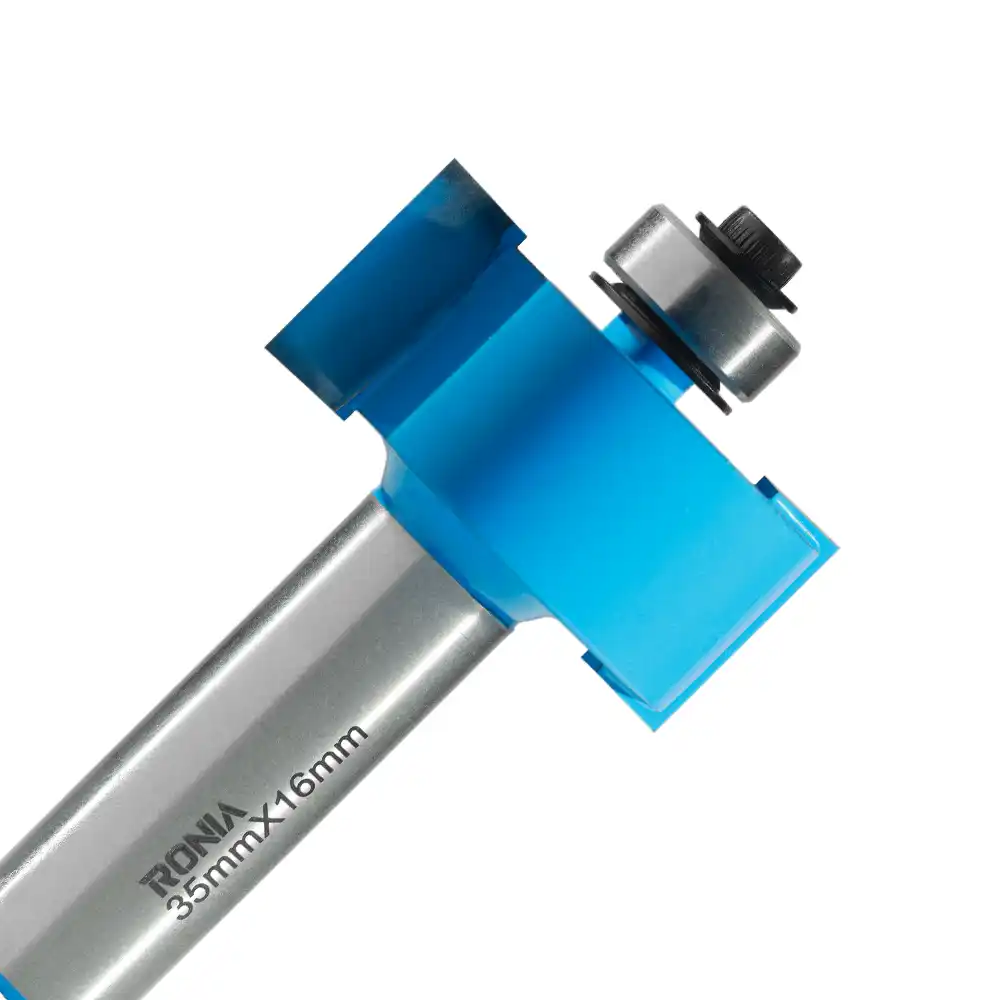
CNC Router Bits are designed for routing, profiling, engraving, slotting, and edge shaping. These electric-machine accessories are available in different geometries and cutting configurations for MDF, plywood, solid wood, plastics, and other suitable materials.
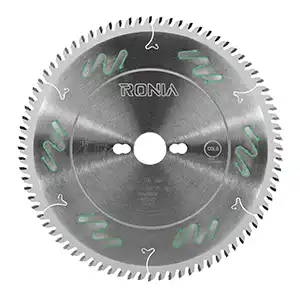
Saw Blades are used for straight and accurate panel or solid wood cutting. They are commonly installed on electric panel saws, table saws, and industrial cutting machines, with tooth configurations selected according to the material and required finish.
Drill Bits and Boring Tools create precise holes for furniture assembly, hinges, dowels, and other applications. They can be used with CNC drilling systems and automated woodworking equipment where repeatable positioning is essential.
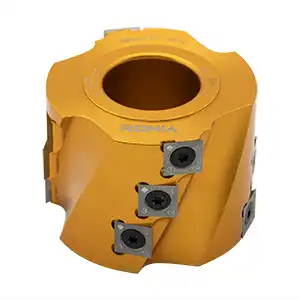
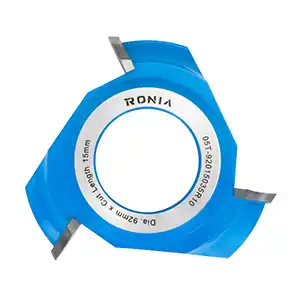
Profile and Speciality Cutters are designed for decorative edges, grooves, joints, and customized profiles. These tools help manufacturers expand production capabilities and create detailed components for furniture, doors, cabinetry, and interior projects.
How to Choose the Right Cutting Tools
Identify your material: Determine whether you primarily machine MDF, plywood, laminated panels, solid wood, or another material. Select tool geometry and cutting characteristics specifically suited to the material.
Match your machine: Check spindle compatibility, tool diameter, shank size, maximum speed, and machine specifications before purchasing. Correct compatibility supports safe operation and reliable performance.
Define your application: Decide whether you need cutting, routing, drilling, grooving, profiling, or finishing. Choosing a tool designed for the exact operation improves accuracy and reduces unnecessary wear.
Consider production volume: Workshops with occasional production may require a different tooling strategy from high-volume manufacturers. For continuous industrial use, prioritize durable tools, consistent performance, and efficient replacement planning.
Evaluate total cost: Do not compare products only by purchase price. Consider service life, machining speed, material savings, surface quality, maintenance needs, and replacement frequency to determine the overall value.
Tool selection should also account for operating conditions. Manufacturers should follow recommended cutting speeds, feed rates, clamping procedures, and maintenance practices for each application. Proper setup can improve performance and help operators achieve predictable results over longer production cycles.
Why Choose Ronia for Cutting Tools
Ronia combines Turkish engineering and manufacturing expertise with a professional approach to woodworking and industrial tooling. Its Cutting Tools range is selected for businesses that require precision, dependable performance, and practical solutions for demanding production environments.
Ronia focuses on quality manufacturing and supports applicable products with internationally recognized standards and certifications, including CE and ISO where relevant. These credentials give B2B buyers useful reference points when evaluating product conformity, manufacturing quality, and supplier reliability.
Spare parts and replacement tooling are essential for maintaining production continuity. Access to suitable components can help workshops reduce downtime and keep machinery operating according to planned schedules. Ronia also provides after-sales support to help customers with product selection, technical questions, maintenance requirements, and application considerations.
For international buyers, global shipping availability makes sourcing professional woodworking tooling from Turkey more accessible. Ronia also offers machinery, CNC solutions, and quality power tools for workshops, allowing businesses to develop a coordinated equipment strategy instead of sourcing every production requirement separately.
Whether you operate a compact furniture workshop or a large industrial manufacturing facility, Ronia can help you select tooling according to your materials, machinery, production volume, and desired finish. The goal is to provide practical solutions that support efficient machining and consistent output.
For companies comparing the best woodworking tools, professional cutting equipment should be evaluated according to real production requirements rather than marketing claims alone. The right combination of machine capability, tool quality, application knowledge, and service support can create measurable improvements in productivity and product consistency.