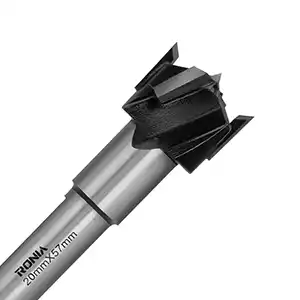
Finger Joint Bits for Precise, Efficient Woodworking
Finger Joint Bits help woodworking professionals create accurate interlocking joints with clean cuts and consistent results. For furniture manufacturers, cabinet shops, and industrial workshops, the right bit can improve joint strength, production speed, and finishing quality. Ronia supplies precision-focused tooling designed for demanding woodworking applications. Explore the Finger Joint Bits range to match your machinery, material, and production requirements.
What are Finger Joint Bits?
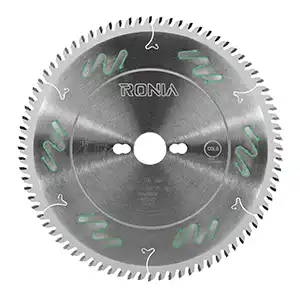
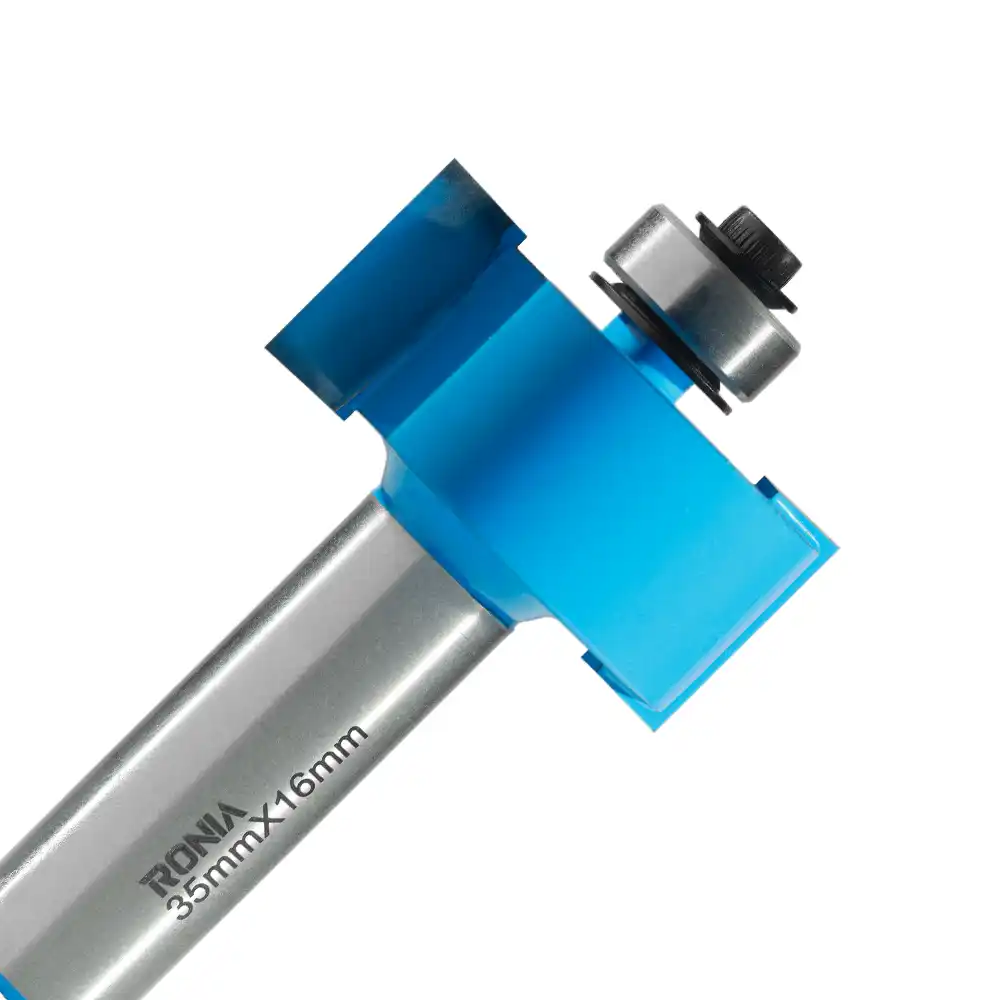
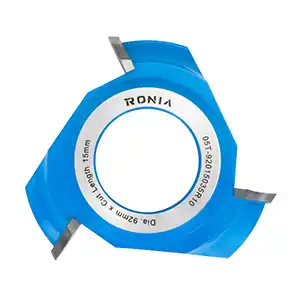
Finger Joint Bits are specialized router bits designed to cut complementary finger-shaped profiles into wood components. When two prepared edges are joined, the projecting fingers interlock to create a strong connection with a large bonding surface. This joint is commonly used for extending timber, manufacturing panels, producing furniture components, and optimizing shorter wood pieces.
The cutting profile must be accurately matched so adjoining pieces fit together without excessive gaps or resistance. During routing, the bit removes material according to its tooth geometry and cutting depth, producing repeated fingers along the workpiece edge. Correct setup, stable workholding, and suitable feed speed are essential for clean results and reliable joint assembly.
For workshops seeking industrial wood cutting equipment, a properly selected finger joint solution can reduce material waste while supporting repeatable production. It can also help manufacturers convert shorter stock into longer usable components, improving material utilization and overall production efficiency.
Key Features and Benefits
- Precision cutting geometry creates consistent finger profiles, helping operators achieve tight-fitting joints across repeated production runs.
- Durable construction supports demanding workshop conditions and extends useful cutting life when the tool is correctly maintained.
- Clean cutting performance reduces splintering and edge damage, minimizing additional sanding and finishing work.
- Efficient material removal supports faster routing cycles and helps workshops maintain productive manufacturing workflows.
- Stable operation improves control during cutting, contributing to safer and more predictable machining when used with compatible equipment and proper procedures.
- Versatile application makes these bits suitable for furniture parts, panels, timber components, and other woodworking projects requiring strong edge joints.
- Repeatable results help industrial manufacturers maintain consistent product quality across batches and reduce costly rework.
Types of Finger Joint Bits
Standard Router Finger Joint Bits are designed for conventional routing operations and are suitable for general furniture, cabinet, and timber work. They are commonly used with electric routers or router tables where operators need controlled cutting and repeatable joint dimensions.
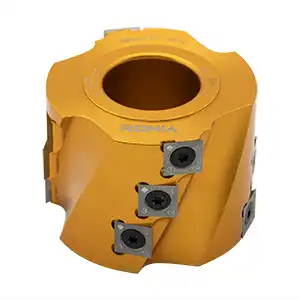
Heavy-Duty Industrial Finger Joint Bits are built for higher production demands and frequent machining. They are a practical choice for manufacturers processing larger volumes of hardwood, softwood, or engineered wood materials with compatible industrial routing systems.
CNC-Compatible Finger Joint Bits are selected for automated machining environments where programmed movements require accurate cutting geometry. They can support repeatable production of panels and components when paired with suitable CNC equipment, tooling parameters, and workholding.
For export-oriented manufacturers, consistent tooling also helps standardize joint quality across different operators and production shifts. This is especially useful when workshops supply repeated components to furniture, construction, or joinery customers. Selecting a bit with dependable geometry supports predictable machining outcomes and simplifies quality control throughout ongoing production in demanding environments.
Power source depends primarily on the machine using the bit. Electric routers and CNC systems are the most common choices, while pneumatic machines can be used in specialized industrial setups. Battery-powered routing equipment may suit mobile or low-volume work, although professional buyers should confirm compatibility, speed, and available torque before selection.
How to Choose the Right Finger Joint Bits
- Match the machine. Check the router, spindle, or CNC system for compatible shank size, speed range, power, and collet specifications. Correct compatibility supports safer operation and accurate cutting.
- Consider production volume. Small workshops may prioritize versatile tooling and value, while high-volume manufacturers should focus on durable construction, consistent performance, and long service life.
- Select for the material. Identify whether you mainly process softwood, hardwood, plywood, MDF, or other engineered boards. Material hardness and density influence cutting performance, tool wear, and the required operating parameters.
- Check joint dimensions. Choose a profile and cutting diameter that match your required finger size, workpiece thickness, and final joint design. Accurate dimensions help prevent fitting problems and unnecessary rework.
- Balance budget and total cost. Do not judge a tool only by its purchase price. Consider cutting life, productivity, maintenance needs, material savings, and replacement costs to identify the best woodworking tools for your operation.
Why Choose Ronia for Finger Joint Bits
Ronia combines Turkish engineering and manufacturing experience with a practical understanding of professional woodworking requirements. Its tooling approach focuses on precision, dependable performance, and consistent production results for workshops and manufacturers serving demanding markets.
For international buyers, quality assurance is an important part of supplier selection. Ronia supports professional expectations with products and manufacturing processes aligned with applicable international requirements, including CE and ISO standards where relevant. Buyers should verify the exact certification and compliance documentation for each product before purchase.
Reliable tooling also depends on long-term support. Ronia provides access to spare parts and after-sales assistance to help customers maintain equipment, address operational questions, and reduce avoidable downtime. This support is particularly valuable for manufacturers whose production schedules depend on consistent machine availability.
Ronia also serves customers beyond Turkey through global shipping availability. Whether you operate a small woodworking workshop or a larger manufacturing facility, working with an established supplier can simplify sourcing and support more predictable purchasing decisions. The combination of Turkish production expertise, technical support, and international distribution makes Ronia a practical partner for quality power tools for workshops and professional woodworking operations.