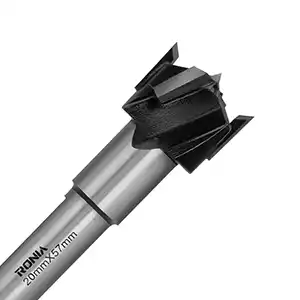
Thumbnails Products D Cutting Length S Z Height
Ronia 01-02008006K CNC Straight Bit
Ronia 01-03008006K CNC Straight Bit
Ronia 01-04010006K CNC Straight Bit
Ronia 01-04012006 CNC Straight Bit
Ronia 01-05013006 Straight Bit
Ronia 01-05015006K CNC Straight Bit
Ronia 01-06019006 Straight Bit
Ronia 01-06021008TB CNC Straight Bit
Ronia 01-06021008TZ CNC Straight Bit
Ronia 01-06025006 Straight Bit
Ronia 01-06025006K CNC Straight Bit
Ronia 01-06025008 Straight Bit
Ronia 01-08025008 CNC Straight Bit
Ronia 01-08026008K Straight Bit Centre Cutting
Ronia 01-08032008 Straight Bit
Ronia 01-08032008K CNC Straight Bit
Price of Ronia 01-08035008 Straight Bit
Ronia 01-10019008K Straight Bit Bottom Cutting
Ronia 01-10032008 Straight Bit
Ronia 01-10032012 Straight Bit
Ronia 01-10040008 Straight Bit
Ronia 01-10051012 Straight Bit
Ronia 01-12019008K Straight Bit Bottom Cutting
Ronia 01-12035012 Straight Bit
Ronia 01-12040012K CNC Straight Bit
Ronia 01-14032012 Straight Bit
Ronia 01-16032012 Straight Bit
Ronia 01-19032012 Straight Bit
Ronia 01-25038012 Straight Bit
Buying a Ronia RCB-EN062012z3 Router Bit
Buying a Ronia RCB-SN062912z2 Router Bit

Straight Bit Solutions for Precise Woodworking and Industrial Production

For professional workshops and industrial manufacturers, accurate routing depends on reliable cutting tools. A Straight Bit creates clean, consistent grooves, dados, slots, mortises, and edge cuts across many woodworking applications. Choosing the right bit improves finish quality, reduces rework, and supports efficient production. Explore Ronia Straight Bit options to match your router, material, and workload, or contact our sales team for product guidance and purchasing support.

What is a Straight Bit?

A Straight Bit is a rotary cutting tool designed to remove material with a straight cutting profile. It is commonly used with handheld routers, router tables, and CNC routing systems to produce flat-bottomed grooves, channels, dadoes, and recesses in wood-based materials.

During operation, the router spins the bit at high speed while its cutting edges remove material progressively. Depending on diameter, cutting length, shank size, and geometry, a Straight Bit can handle tasks ranging from light workshop trimming to demanding production work. It is suitable for hardwood, softwood, plywood, MDF, particleboard, and other compatible composite materials when the correct cutting parameters are applied.

Key Features and Benefits

  • Precision cutting: Engineered cutting geometry helps produce accurate grooves, slots, and recesses with consistent dimensions.
  • Durable construction: Quality carbide cutting edges resist wear and support dependable performance during repeated workshop use.
  • Clean results: Sharp cutting profiles help reduce splintering and improve the surface quality of routed edges and internal cuts.
  • Efficient operation: A properly matched bit removes material effectively, helping operators maintain productive routing cycles.
  • Versatile applications: Straight Bits support furniture production, cabinetry, joinery, signage, fitting work, and general woodworking.
  • Secure compatibility: Available shank and diameter options make it easier to select a bit that matches the router and collet.
  • Controlled performance: Correct feed speed, cutting depth, and machine settings help improve safety, tool life, and finished quality.

Types of Straight Bit

Straight Bits are available in different cutting lengths, diameters, shank configurations, and flute designs to meet specific routing requirements. Single-flute and multi-flute designs can be selected according to material, machine capability, desired finish, and production speed.

For standard workshop work, compact Straight Bits are practical for shallow grooves, trimming, and joinery. Larger industrial versions are better suited to deeper cuts and higher production volumes when used with suitable electric or CNC routing equipment.

Power source also affects the complete routing setup. Handheld electric routers are common in small and medium workshops, while CNC routers provide automated cutting for repeat production. Pneumatic routing equipment can be used in specialized industrial environments, although tool compatibility and machine specifications must always be checked.

For demanding applications, carbide-tipped construction can provide a balance between cutting performance, durability, and maintenance requirements. Tool geometry should also be considered when routing laminated boards, dense hardwoods, or abrasive engineered panels because materials place different demands on the cutting edge. Identifying these requirements helps buyers avoid selecting a general-purpose tool for a specialized task.

Straight Bits are also useful when consistent dimensions matter across batches. In cabinet production, for example, routed grooves can improve panel assembly and help maintain repeatable component dimensions. In custom woodworking, the same tool can support controlled recessing and fitting operations while giving operators flexibility across different projects. These advantages make the category relevant to production environments and workshops.

How to Choose the Right Straight Bit

  1. Match the material: Identify whether you mainly cut hardwood, softwood, plywood, MDF, particleboard, or another material. Choose cutting geometry and carbide quality appropriate for the material to achieve stable performance and reduce premature wear.
  2. Check your machine: Confirm the router or CNC spindle capacity, collet size, compatible shank diameter, maximum RPM, and recommended operating parameters. A correctly matched tool supports safer operation and better cutting accuracy.
  3. Consider production volume: For occasional workshop jobs, a versatile standard bit may provide sufficient value. For continuous industrial production, prioritize durable construction, consistent geometry, and tool specifications designed for repeated cutting cycles.
  4. Select the correct dimensions: Choose the cutting diameter and length according to groove width, required cutting depth, and available clearance. Avoid using an unnecessarily long cutting length because it can increase vibration and reduce control.
  5. Balance budget and performance: The lowest purchase price is not always the lowest operating cost. Evaluate tool life, cutting quality, downtime, replacement frequency, and compatibility when comparing quality power tools for workshops and industrial applications.

Before ordering, review product specifications and compare them with your machine manual. Pay attention to shank diameter, cutting diameter, cutting length, overall length, maximum speed, and recommended materials. Good tool selection combines these technical details with your workload, helping protect the machine, improve results, and reduce tool changes during production.

Why Choose Ronia for Straight Bit

Ronia combines Turkish engineering and manufacturing experience with a practical understanding of professional woodworking requirements. Its Straight Bit range is designed to support workshops, furniture producers, joinery specialists, and industrial manufacturers seeking dependable cutting performance and repeatable results.

For international buyers, product quality and compliance are important purchasing considerations. Ronia products are offered with relevant international quality and safety standards, including CE and ISO certifications where applicable to the product and production system. Buyers should verify the specific certification and technical documentation for their selected model before purchase.

Ronia also supports long-term equipment operation through spare parts availability and after-sales assistance. Technical guidance can help buyers identify suitable specifications, operating requirements, and compatible equipment, reducing purchasing uncertainty and helping maintain production continuity.

Global shipping availability makes Ronia a practical sourcing partner for international customers. Whether you operate a compact woodworking workshop or a larger manufacturing facility, the goal is to provide dependable industrial wood cutting equipment that supports productivity, precision, and consistent output.