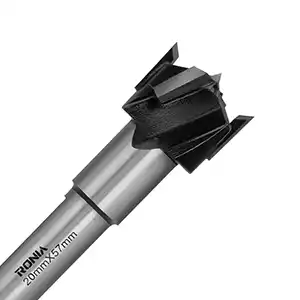
Roundover Bits

Roundover Bits for Precise, Professional Woodworking Production

Roundover Bits are essential routing tools for creating smooth, consistent rounded edges on furniture components, cabinet parts, shelves, doors, and other wood products. The correct profile improves appearance, handling comfort, and finishing quality while helping professional workshops maintain repeatable results. Explore Ronia Roundover Bits to equip your production line with dependable tooling designed for accurate routing and efficient woodworking applications.

What are Roundover Bits?

Roundover Bits are router bits designed to remove material from a sharp corner and create a smooth, curved edge on a workpiece. Their cutting profile determines the radius of the finished edge, allowing operators to select a subtle transition or a more pronounced rounded contour according to the project requirements.

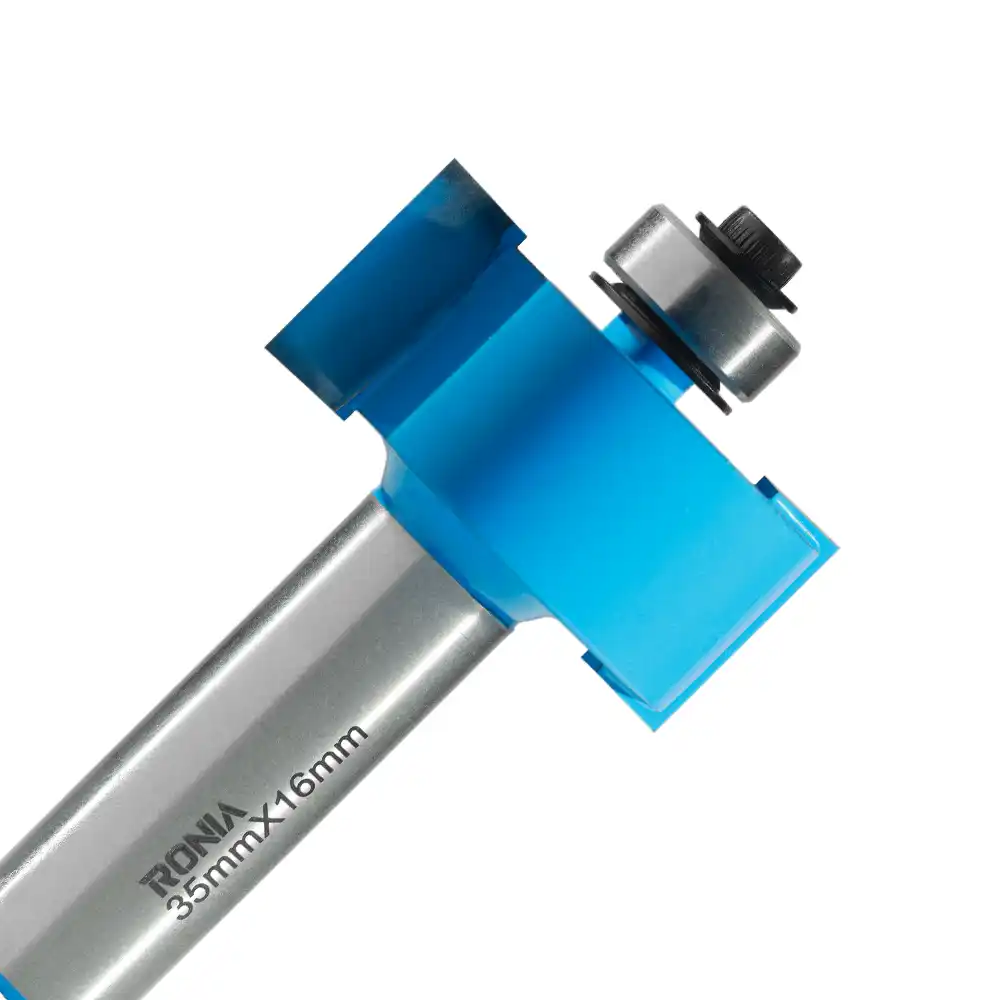
These bits are commonly used with electric routers, router tables, and compatible woodworking machines. They can process suitable solid wood, hardwood, softwood, MDF, plywood, and other engineered materials when the tooling and machine settings are appropriate. A bearing-guided design can help the bit follow an existing edge consistently, while non-bearing configurations may be used with suitable fences or guides.

In commercial production, accurate edge rounding supports both visual quality and practical usability. Rounded edges can make furniture components more comfortable to handle and can reduce the sharpness associated with square corners. Consistent routing also helps manufacturers achieve uniform dimensions across batches, simplifying sanding, coating, assembly, and quality control.

Key Features and Benefits

  • Durability: Robust construction supports repeated routing operations and helps maintain reliable cutting performance during demanding production schedules.
  • Precision: Accurate cutting geometry creates consistent radii and clean transitions across multiple workpieces.
  • Efficiency: Effective material removal can shorten machining time and support higher output in professional workshops.
  • Smooth Finish: Sharp cutting edges can produce clean routed surfaces, reducing the amount of sanding required before finishing.
  • Safety: Correctly matched tooling, machine speed, workpiece support, and feed technique help promote controlled routing operations.
  • Versatility: Different radii and configurations allow manufacturers to handle furniture, cabinetry, doors, shelving, and custom woodworking projects.
  • Cost Efficiency: Durable tooling can reduce frequent replacement requirements and support more predictable operating costs.

Types of Roundover Bits

Bearing-Guided Roundover Bits include a guide bearing that follows the workpiece edge while the cutting profile forms the radius. They are widely used for cabinet components, furniture edges, shelves, and general workshop routing with an electric router or router table.

Non-Bearing Roundover Bits rely on a router fence, guide, or controlled machine setup rather than an integrated bearing. They can suit production environments where operators require specific routing setups or use dedicated woodworking machinery.

Small-Radius Roundover Bits create subtle curved edges for lightweight components, decorative details, and contemporary furniture. They are useful when the design requires a refined edge without removing substantial material.

Large-Radius Roundover Bits create broader curves for furniture tops, larger panels, counters, and architectural woodworking. These applications require a compatible electric router or spindle with sufficient capacity, stability, and speed control. Battery-powered routers can support selected portable applications, while pneumatic routing systems may be used in specialized industrial environments.

For production managers, profile selection should also reflect the final product specification. A consistent radius across doors, table edges, shelves, and panels creates a unified appearance throughout a product range. Matching tooling across machines can simplify operator training and reduce setup variation. Keeping commonly used radii in stock also helps maintenance teams respond quickly when a production tool reaches the end of its service life during peak production.

How to Choose the Right Roundover Bits

  1. Match the bit to your workshop size. Smaller workshops can prioritize versatile radii and easy-to-manage tooling, while industrial facilities may require multiple profiles for different production lines and product designs.
  2. Consider production volume. Occasional users can select a practical general-purpose option, while high-volume manufacturers should focus on durable construction, consistent performance, and tooling that can withstand repeated machining cycles.
  3. Check the material type. Different woods and engineered boards respond differently during routing. Confirm that the selected bit is appropriate for your material, edge thickness, desired radius, and finishing requirements.
  4. Verify machine compatibility. Check the router or spindle capacity, collet size, tool diameter, recommended speed, and available workpiece support before purchasing. Proper compatibility improves control and helps prevent unnecessary tooling wear.
  5. Balance quality and budget. Compare the initial price with expected service life, production efficiency, replacement frequency, and support availability. Investing in quality power tools for workshops can help reduce long-term operating costs.

Why Choose Ronia for Roundover Bits?

Ronia combines Turkish engineering and manufacturing expertise with practical tooling solutions for professional woodworking applications. Its product range is developed for workshops, manufacturers, distributors, and other B2B customers seeking dependable performance and consistent machining results.

For industrial buyers, quality and supply reliability are important alongside product specifications. Ronia supports international customers with manufacturing experience and product solutions intended for demanding woodworking environments. Where applicable, CE and ISO certifications provide recognized frameworks related to product quality, safety, and manufacturing processes.

Access to spare parts can help businesses maintain equipment and reduce avoidable production interruptions. Ronia’s after-sales support provides customers with assistance for product questions, maintenance considerations, and application requirements, helping purchasing teams make informed tooling decisions.

For businesses sourcing industrial wood cutting equipment, international availability is also important. Ronia offers global shipping availability, helping workshops, distributors, furniture manufacturers, and industrial buyers source professional woodworking products from Turkey for projects and ongoing production.

Whether you are improving cabinet production, refining furniture components, or standardizing tooling across several workstations, selecting suitable Roundover Bits can help deliver consistent edge profiles and efficient routing results.