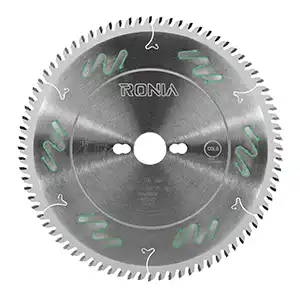
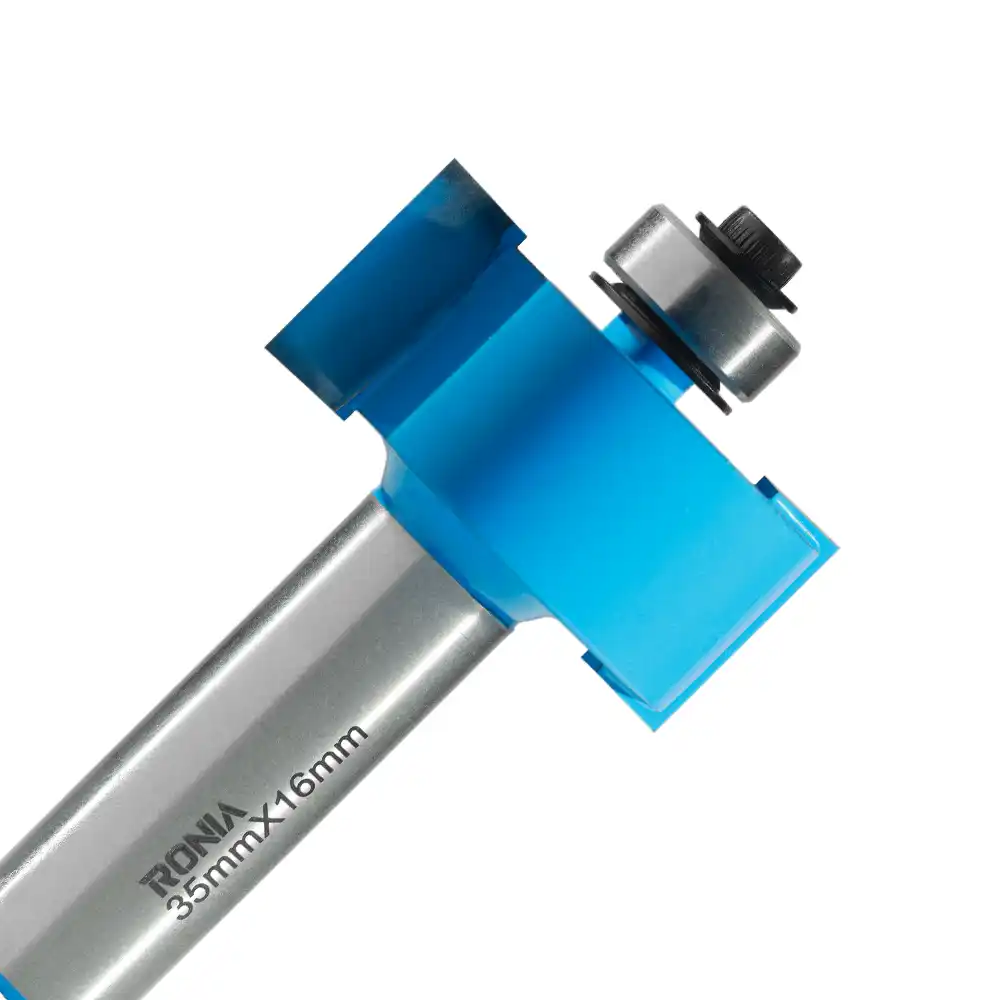
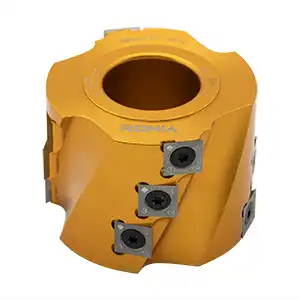
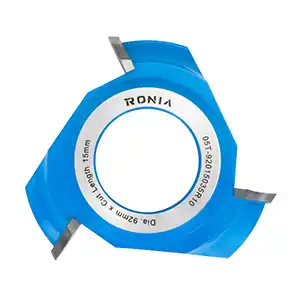
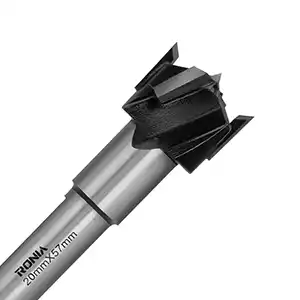
| Thumbnails | Products | Cutting Length | height | D | Z | S |
|---|---|---|---|---|---|---|
![]() |
||||||
![]() |
||||||
![]() |
||||||
![]() |
||||||
![]() |
Stair Tread Bits for Precise, Professional Woodworking
Introduction
Stair Tread Bits help woodworking professionals produce accurate profiles, edges, and tread details with consistent results across demanding projects. The right tooling improves finish quality, reduces rework, and supports efficient stair manufacturing for workshops of different sizes. Whether you manufacture custom staircases or operate a high-volume production facility, selecting the correct cutter is essential. Explore Ronia solutions to find dependable tooling for precise and repeatable woodworking applications.
What are Stair Tread Bits?
Stair Tread Bits are specialized router bits designed to shape, profile, or finish wooden stair treads and related components. They are engineered to create accurate edges, grooves, profiles, and decorative details that contribute to the fit, appearance, and functionality of staircase parts.
When mounted on a compatible router, spindle, or woodworking machine, the rotating cutting edges remove controlled amounts of material from the workpiece. Depending on the profile and dimensions, these bits can support operations such as edge forming, tread shaping, nosing work, and detailed finishing. They are suitable for hardwood, softwood, plywood, and other compatible wood-based materials when used according to the cutter and machine specifications.
Key Features and Benefits
- Durable construction: High-quality cutting materials withstand repeated professional use and help maintain reliable performance during demanding production cycles.
- Precise profiling: Accurate cutter geometry produces consistent tread dimensions and clean profiles across multiple workpieces.
- Clean finishing: Sharp cutting edges help reduce tear-out and support smooth, professional-looking surfaces.
- Efficient material removal: Optimized profiles remove material effectively, helping operators complete repetitive stair components with fewer passes.
- Stable operation: Correctly matched shanks and machine specifications support controlled cutting and predictable results.
- Long service life: Wear-resistant construction can reduce replacement frequency and help lower tooling costs over time.
- Professional versatility: Suitable configurations can support custom stair production, furniture components, joinery, and other detailed woodworking tasks.
Types of Stair Tread Bits
Profile bits are designed to create specific edge shapes and decorative contours on stair treads. They are useful when manufacturers need consistent visual details across custom or standardized staircase components.
Rabbeting and groove-oriented bits create channels, rebates, or fitting details where tread components require precise connections. They are particularly useful for joinery and assembly operations where dimensional accuracy affects the final installation.
Bearing-guided designs use a guide bearing to help control the cutting path against an edge or template. Non-bearing versions rely on a router fence, guide, CNC setup, or operator-controlled positioning. The cutter itself is normally powered by an electric router or spindle, while battery-powered routers can support mobile workshop applications. Pneumatic equipment may be used in specialized industrial environments with compatible tooling.
For workshops producing stairs in varied designs, interchangeable profiles can simplify tooling management and support faster changeovers between orders. Keeping cutters available helps reduce interruptions when production schedules change. Clear labeling and organized storage make it easier for operators to identify the correct bit and prepare each machine safely.
How to Choose the Right Stair Tread Bits
- Match the material: Identify whether you mainly process hardwood, softwood, plywood, MDF, or laminated materials. Select cutting materials and geometry suited to the hardness and characteristics of your workpieces.
- Check the profile: Determine the exact edge, groove, nosing, or decorative profile required before purchasing. Matching the cutter profile to the finished design reduces additional machining and improves consistency.
- Consider production volume: Small workshops may prioritize versatile tooling that handles several jobs. Industrial manufacturers with high output should consider durable cutters designed for repeated production and consistent performance.
- Verify machine compatibility: Check shank diameter, cutter dimensions, maximum operating speed, cutting depth, and machine requirements before installation. Proper compatibility promotes stable operation and helps protect the tool and equipment.
- Balance cost and service life: Compare purchase price with expected durability, cutting performance, maintenance needs, and replacement frequency. Investing in quality power tools for workshops and compatible professional cutters can reduce downtime and improve long-term value.
Before production, operators should also review the machine manufacturer’s recommendations for speed, feed rate, cutting depth, and safe handling. Appropriate settings help control heat, vibration, and material tear-out while supporting repeatable results. Inspect cutting edges regularly and replace damaged or excessively worn bits before performance declines. A consistent maintenance routine protects both tooling and workpieces while helping production teams maintain predictable schedules. For demanding applications, testing the cutter on a representative sample can confirm the selected profile and machining conditions before full-scale production begins.
Why Choose Ronia for Stair Tread Bits
Ronia combines Turkish engineering and manufacturing experience with woodworking solutions developed for professional and industrial applications. The brand focuses on practical tooling, reliable specifications, and performance requirements relevant to workshops, manufacturers, and international B2B buyers.
For professional procurement teams, quality assurance and compliance are important considerations. Ronia products are developed with international market requirements in mind, and applicable products may carry CE and ISO certifications that support confidence in manufacturing and quality processes. Buyers should review the specific certification details provided for each product.
Ronia also supports customers beyond the initial purchase. Availability of spare parts can help extend equipment service life and reduce avoidable production interruptions. After-sales support provides an additional point of contact for product selection, technical questions, and ongoing purchasing requirements.
Global shipping availability makes Ronia accessible to distributors, stair manufacturers, furniture producers, joinery businesses, and industrial workshops in international markets. For companies sourcing industrial wood cutting equipment, dependable tooling and responsive supplier support can simplify purchasing and help maintain production continuity.
When comparing the best woodworking tools for a professional operation, evaluate specifications against the machine, material, profile, production volume, and required finish. Ronia provides solutions that help buyers build a practical tooling setup around their specific woodworking processes.