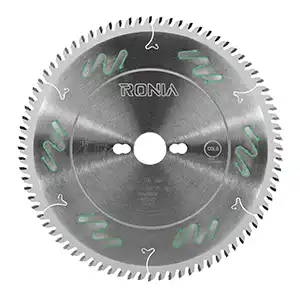
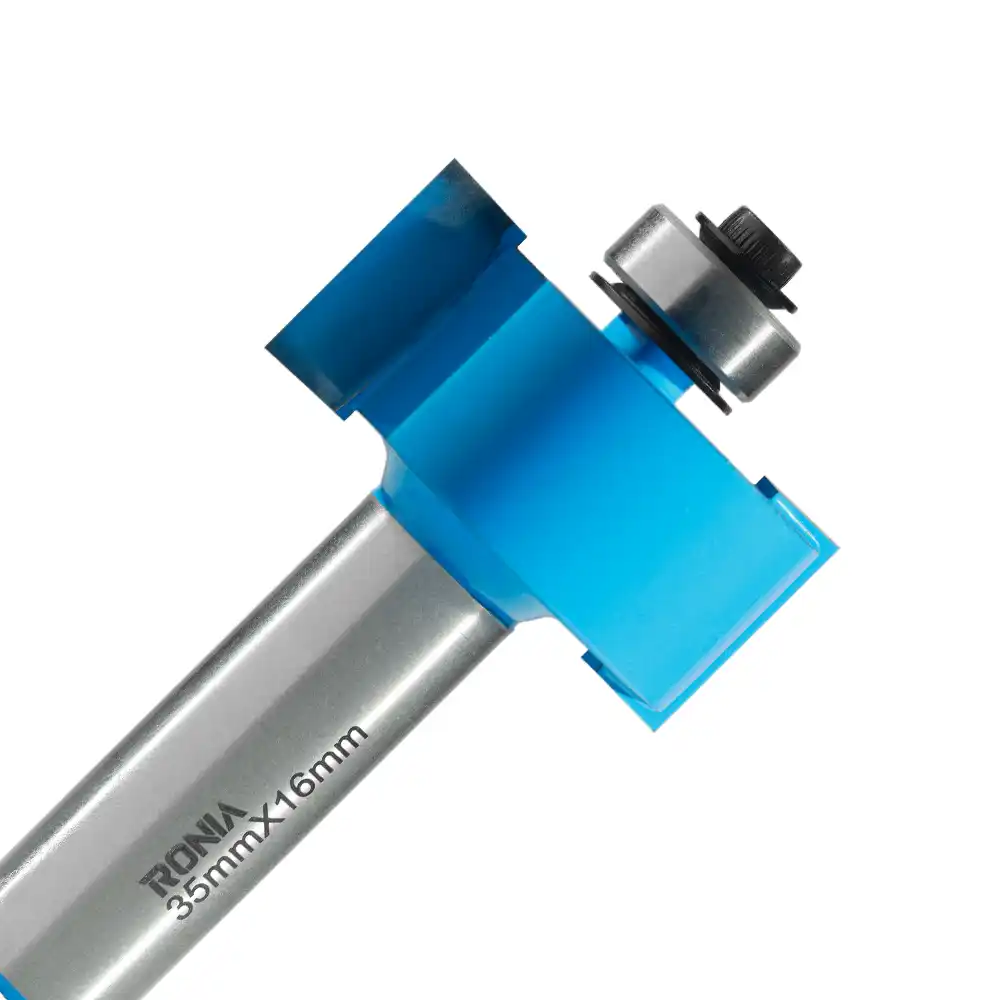
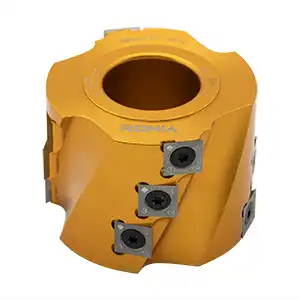
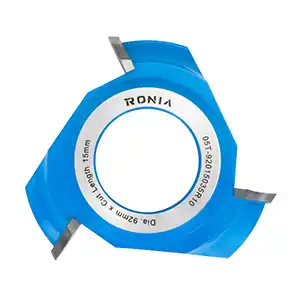
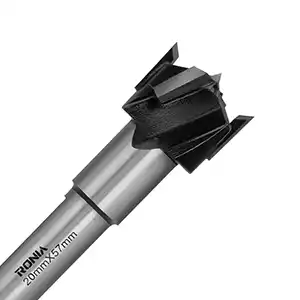
Profile Cutting Bit for Professional Woodworking Production
Profile Cutting Bit solutions help manufacturers create accurate contours, decorative edges, and repeatable shapes across a wide range of woodworking applications. For furniture factories, cabinet workshops, joinery businesses, and industrial producers, dependable profiling tools can improve consistency while reducing finishing work. Explore Ronia Profile Cutting Bit options to match your routing equipment, material requirements, and production goals with professional tooling designed for demanding workshop conditions.
What is Profile Cutting Bit?
A Profile Cutting Bit is a routing tool designed to remove material from a workpiece and create a defined profile, contour, groove, or decorative edge. Its cutting geometry determines the shape produced as the router moves along the material, allowing operators to reproduce specific designs with controlled dimensions and a clean finish.
Profile cutting bits are commonly used with solid wood, MDF, plywood, laminated boards, and other compatible woodworking materials. They support furniture manufacturing, cabinet production, door and panel processing, decorative woodworking, and custom joinery. When the correct bit is matched with the router and workpiece, it can improve dimensional consistency and reduce the need for additional manual shaping.
Key Features and Benefits
- Precision profile formation: Carefully designed cutting geometry helps produce accurate contours and consistent dimensions across repeated workpieces.
- Durable construction: Robust materials support repeated cutting operations and dependable performance in professional woodworking environments.
- Clean cutting performance: Efficient chip removal can help reduce surface defects and minimize subsequent sanding or finishing work.
- Improved productivity: A suitable profile cutter allows operators to complete shaping tasks efficiently and maintain steady production cycles.
- Reliable control: Properly selected tooling supports stable routing and predictable results when operators use suitable feed rates and machine settings.
- Application versatility: Different profiles can serve furniture, cabinetry, doors, panels, moldings, and custom woodworking requirements.
- Professional compatibility: Profile cutters can be selected for compatible electric, battery, or pneumatic routing systems used in different workshops.
Types of Profile Cutting Bit
Straight profile cutters are designed for controlled material removal and can create basic edges, shoulders, channels, and other practical shapes. They are useful for general furniture production, cabinet components, and workshop tasks where accuracy and repeatability are essential.
Decorative profile cutters create shaped edges and ornamental contours for furniture components, doors, panels, and architectural woodworking. They help manufacturers achieve a distinctive finished appearance while maintaining consistent dimensions across production batches.
Flush and template profile cutters are useful when an existing edge, pattern, or template needs to guide the cutting operation. These tools are valuable for repeat production, custom components, and applications where matching an established shape is important.
Profile cutting bits may be used with electric routers, including handheld and stationary machines, depending on their specifications. Battery-powered routers can support mobile installation and smaller workshop tasks, while pneumatic systems may suit specialized industrial environments with compressed-air infrastructure. Always verify machine compatibility, shank dimensions, maximum operating speed, and manufacturer instructions before use.
How to Choose the Right Profile Cutting Bit
- Match the profile to your product. Identify the exact edge, contour, groove, or decorative shape required before selecting the cutter. Confirming the desired dimensions helps prevent incorrect tooling purchases and unnecessary rework.
- Consider workshop size and equipment. Small workshops may prefer versatile cutters that support several applications, while larger facilities can benefit from dedicated profiles for standardized production. Check shank size and router compatibility carefully.
- Evaluate production volume. High-volume manufacturers should prioritize durable tooling and consistent cutting performance to support longer production cycles. Lower-volume workshops can balance performance requirements with the frequency of use and project variety.
- Check the material being processed. Select a cutter suitable for solid wood, MDF, plywood, laminates, or other compatible materials used in your operation. Material density, thickness, and surface construction can affect cutting performance and tool life.
- Compare total value, not only price. Consider durability, precision, compatibility, maintenance, replacement requirements, and productivity when setting your tooling budget. The right choice can reduce finishing time and support more predictable manufacturing costs.
Why Choose Ronia for Profile Cutting Bit
Ronia combines Turkish engineering and manufacturing expertise with professional solutions for woodworking and industrial production. Its tooling range is developed to support precise processing, dependable operation, and the practical demands of workshops serving commercial and manufacturing customers.
For B2B buyers, product quality and compliance are important purchasing considerations. Ronia supports professional requirements through relevant international standards and certifications, including CE and ISO where applicable. Buyers can also benefit from spare parts availability and after-sales support, helping businesses maintain their equipment and keep production workflows running efficiently.
Ronia serves customers in international markets with global shipping availability, giving manufacturers, workshops, distributors, and professional buyers access to reliable woodworking solutions from Turkey. Whether you are sourcing the best woodworking tools for a growing workshop or expanding industrial wood cutting equipment for higher production volumes, Ronia can support your procurement process with suitable product options and technical guidance.
Ronia also provides access to quality power tools for workshops and complementary woodworking equipment, helping buyers build a more consistent tooling strategy. For larger orders, businesses can contact the sales team to discuss technical specifications, quantities, availability, spare parts, and shipping requirements. This supports more informed purchasing decisions and helps production teams plan tooling requirements around current projects and future manufacturing demand.
For distributors and procurement teams, standardized tooling can simplify purchasing and replacement planning across multiple machines or production sites. Reviewing cutter dimensions, application requirements, and expected workload before ordering helps reduce compatibility issues and supports reliable output. This practical approach can also make future tool replacement faster when production schedules become demanding and predictable.