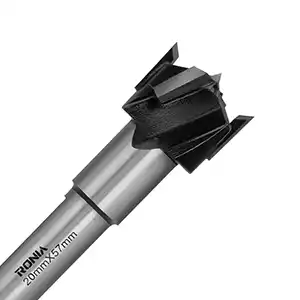
Keyhole Bits

Keyhole Bits for Precise Woodworking and Professional Production

Accurate keyhole slots require a cutter that combines controlled geometry, durability, and reliable performance. Keyhole Bits help workshops create concealed hanging slots in wooden panels, cabinets, signs, frames, and furniture components. For B2B buyers and industrial manufacturers, selecting the correct bit can improve installation efficiency, reduce finishing work, and support repeatable results. Explore Ronia solutions to find a cutter suited to your machine, material, and production requirements.

What are Keyhole Bits?

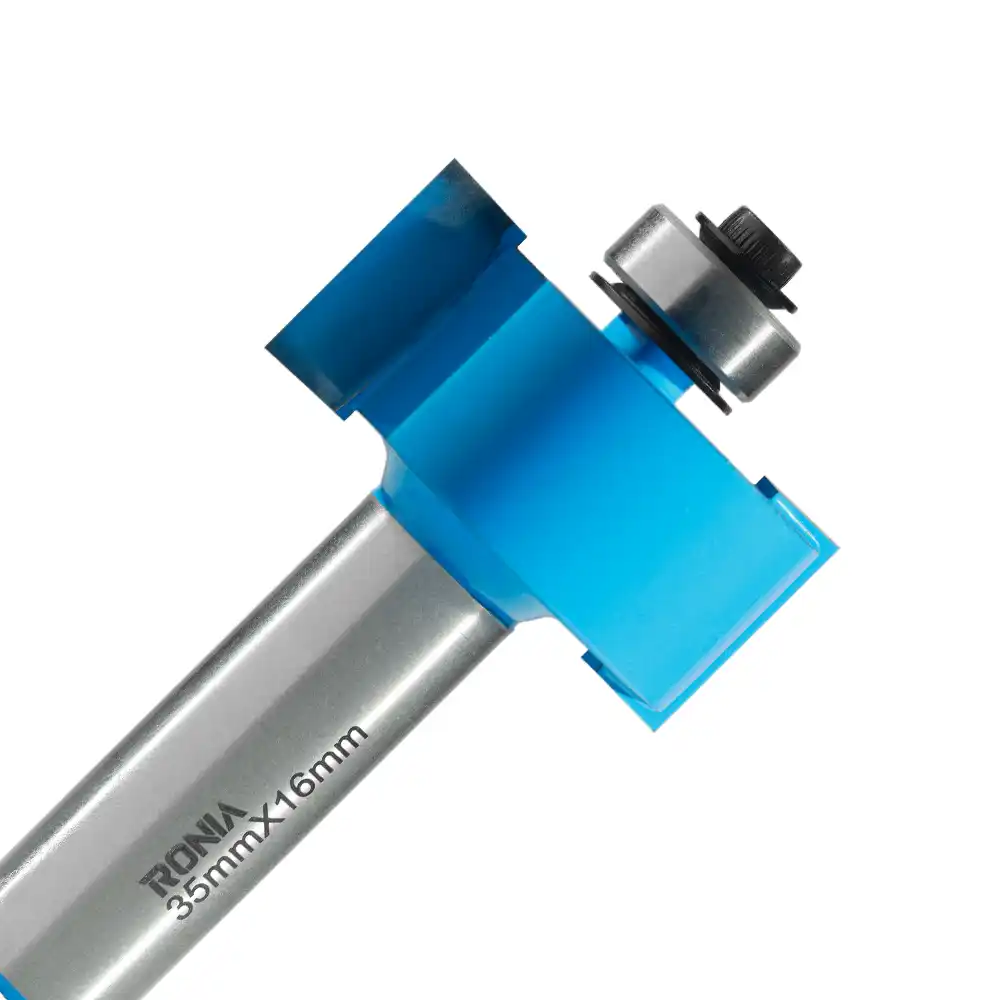
Keyhole Bits are specialized router cutters designed to machine a narrow entry slot with a wider internal channel. This profile allows a compatible screw or mounting head to enter the opening and then sit securely within the wider section, creating a practical concealed hanging point. The result is a clean mounting solution without requiring a visible external bracket.

These bits are commonly used with electric routers, CNC routers, and suitable spindle machines. They can be applied to solid wood, MDF, plywood, and other approved wood-based materials when the cutter specification matches the workpiece. During machining, the rotating bit follows a controlled path to create the required slot and cavity. Accurate depth, stable workholding, appropriate spindle speed, and controlled feed rate are essential for clean results.

Keyhole routing is especially useful when manufacturers need repeatable mounting points across multiple products. Furniture panels, wall signs, display boards, cabinets, and decorative pieces can benefit from concealed installation. Consistent dimensions help ensure that mounting hardware fits correctly and that finished products can be installed efficiently at their destination.

For professional users, slot dimensions should also correspond with the selected mounting hardware. Before production begins, test the cutter on a sample panel and verify the slot width, depth, entry point, and screw engagement. This simple validation step can prevent batch errors and unnecessary material waste. Operators should keep the workpiece firmly secured and follow the router manufacturer’s recommended settings. Recording successful cutting parameters can further improve repeatability, especially when the same furniture design or mounting system is produced regularly across different orders and helps standardize quality across teams.

Key Features and Benefits

  • Durable construction: Quality carbide cutting edges support repeated routing operations and reliable performance in demanding workshop environments.
  • Precise cutting: Engineered geometry creates controlled slots and internal channels for accurate mounting applications.
  • Clean finishing: Sharp cutting edges help minimize unwanted marks and material damage when matched correctly to the workpiece.
  • Efficient installation: Integrated keyhole slots can reduce the need for separate visible mounting hardware and simplify final assembly.
  • Stable operation: Balanced construction and correct shank engagement help reduce vibration during controlled routing.
  • Versatile use: Keyhole Bits support furniture, cabinetry, signage, display production, and custom woodworking applications.
  • Repeatable results: Consistent tool geometry helps manufacturers reproduce matching slots across batches and standardized product lines.

Types of Keyhole Bits

Straight Shank Keyhole Bits are designed for compatible handheld electric routers and selected CNC or spindle machines. They are practical for workshops producing signs, frames, shelves, cabinets, and small furniture components. The correct shank diameter and collet must always be confirmed before use.

CNC Keyhole Cutters are selected for automated routing environments where programmed tool paths provide consistent positioning and depth. They can support higher production volumes and repeated mounting-slot operations across standardized components. Electric CNC spindles are common, while compatible battery-powered routers may serve smaller portable jobs.

Different Profile and Size Options are available to match screw heads, mounting hardware, panel thickness, and required slot dimensions. Larger industrial cutters may be selected for thicker components when the machine has sufficient capacity. Pneumatic routing equipment can also be used in specialized industrial setups when the cutter and machine are compatible.

How to Choose the Right Keyhole Bits

  1. Match the machine: Check the shank diameter, collet compatibility, spindle capacity, maximum cutter dimensions, and recommended operating speed before ordering. Correct compatibility supports stable machining and reduces setup problems.
  2. Consider workshop size: Small workshops can choose versatile cutters for signs, frames, furniture, and repair work. Larger manufacturers may benefit from dedicated sizes selected for standardized CNC production.
  3. Match the material: Confirm that the cutter is suitable for solid wood, softwood, MDF, plywood, or another approved material. Material density affects cutting behavior, tool wear, feed rate, and finishing quality.
  4. Evaluate production volume: Occasional users can prioritize flexibility and purchase cost, while high-volume operations should consider durability, repeatability, cycle efficiency, and replacement frequency.
  5. Balance budget and operating cost: Compare initial price with expected tool life, maintenance requirements, machining efficiency, and potential downtime. Investing in quality power tools for workshops can support dependable output and lower long-term production costs.

Why Choose Ronia for Keyhole Bits

Ronia combines Turkish engineering and manufacturing quality with solutions developed for professional woodworking and precision routing applications. For B2B buyers, dependable tooling can support consistent production, efficient workflows, and predictable finishing across repeated projects.

Ronia products are designed with attention to applicable international requirements, including CE and ISO standards and certifications where relevant. These references help professional customers evaluate tooling and equipment for workshops, manufacturing facilities, distributors, and international projects.

Long-term production also depends on dependable support after purchase. Ronia provides spare parts availability and after-sales support to help customers manage maintenance and replacement needs efficiently. Global shipping availability enables workshops, distributors, and industrial manufacturers in international markets to source suitable products from Turkey.

Keyhole Bits can complement broader woodworking systems by adding concealed mounting capability to furniture and panel production. Choosing the correct cutter helps businesses use CNC routers and other industrial wood cutting equipment more effectively while maintaining accurate installation points. Ronia’s broader selection also supports professionals seeking the best woodworking tools for demanding routing and manufacturing applications.