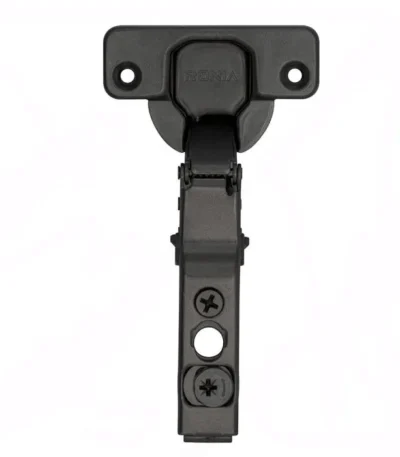
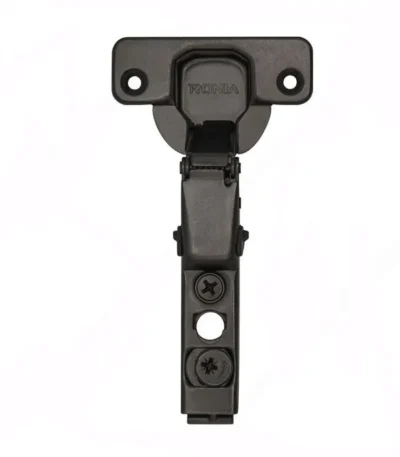
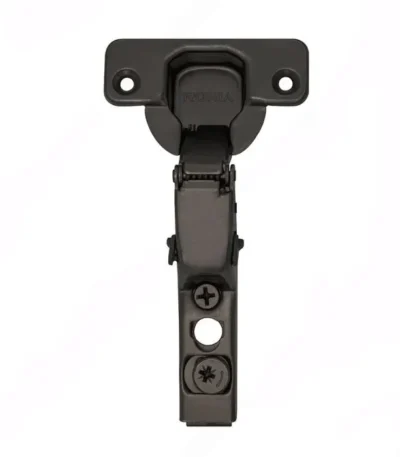
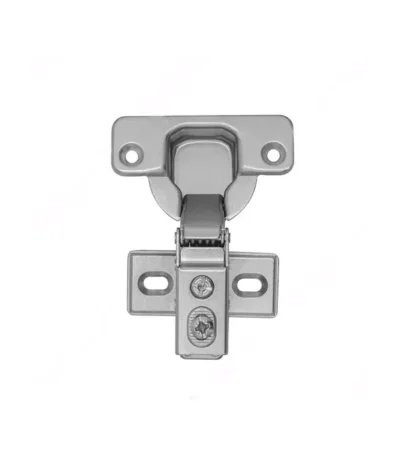
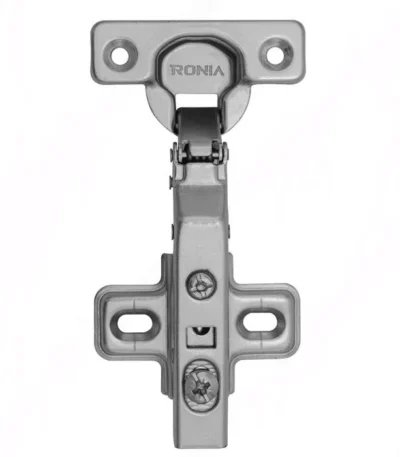
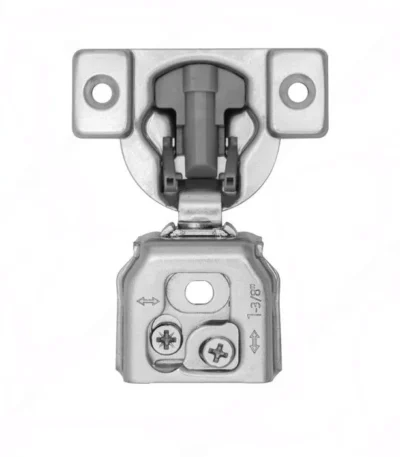
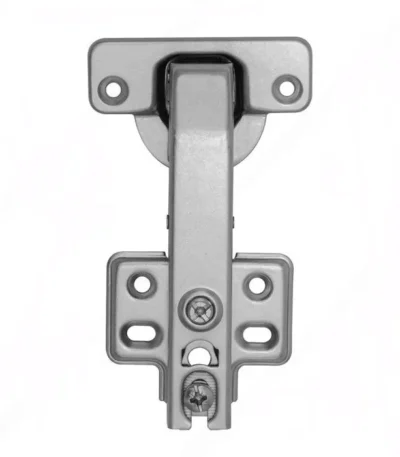
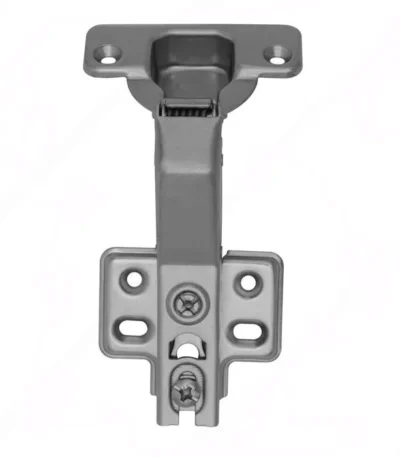
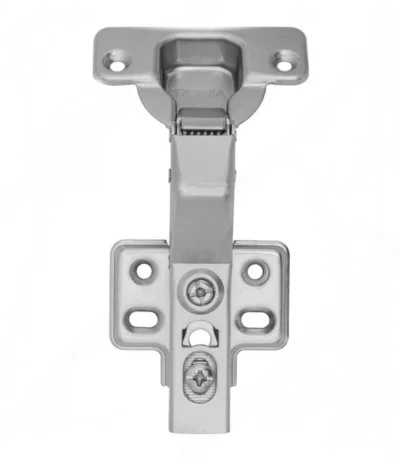
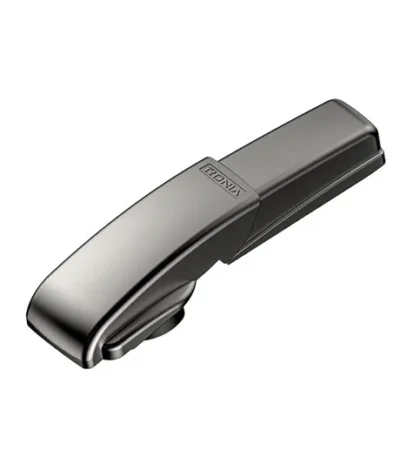
Specialty Hinges for Professional Woodworking and Furniture Manufacturing
Specialty Hinges provide targeted solutions for furniture designs that require more than standard opening and closing functions. They support unusual cabinet configurations, specialized door movements, and demanding installation requirements across workshops. Ronia supplies dependable hinge solutions designed for accurate fitting, reliable operation, and efficient assembly. Explore our Specialty Hinges range to find components for specialized woodworking applications.
What are Specialty Hinges?
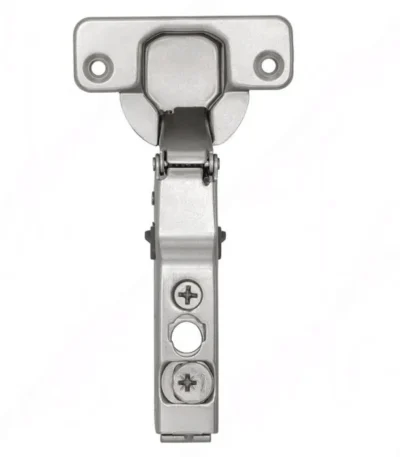
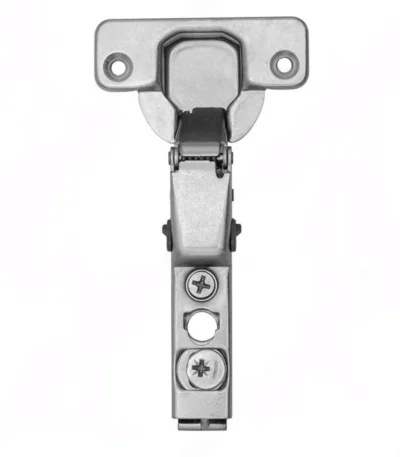
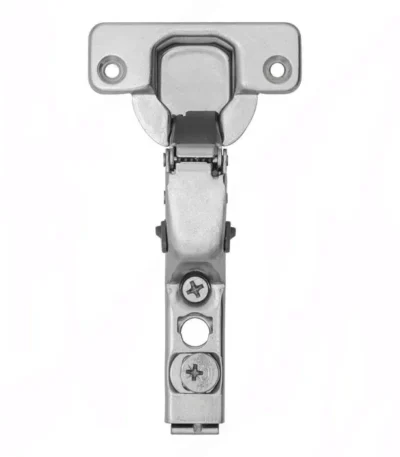
Specialty Hinges are purpose designed hardware components developed for furniture and cabinet applications where conventional hinges cannot provide the required movement, clearance, mounting position, or appearance. Depending on their design, they can control opening angles, accommodate unusual door positions, support compact assemblies, or solve installation challenges.
These hinges connect doors, panels, frames, or other furniture components while allowing controlled movement around a defined pivot point. Some models provide concealed installation, while others are selected for specific overlay conditions, folding systems, corner cabinets, glass applications, or restricted spaces. Their precise construction helps manufacturers achieve dependable movement and consistent alignment across repeated production.
Precise movement: Accurate hinge geometry supports controlled door travel and dependable positioning during operation.
Specialized compatibility: Purpose built designs solve mounting challenges that standard cabinet hinges may not address effectively.
Efficient installation: Practical mounting systems help installers reduce fitting time and maintain consistent production output.
Reliable safety: Secure connections and controlled movement help reduce unwanted door movement and fitting instability.
Space optimization: Compact designs can support furniture layouts where conventional hardware requires excessive clearance.
Professional appearance: Suitable concealed and low profile options help manufacturers create clean, refined finished products.
Long service life: Quality components reduce premature replacement and help maintain reliable furniture operation.
Types of Specialty Hinges
Concealed Specialty Hinges are designed for furniture requiring a clean exterior appearance with minimal visible hardware. They are commonly used for premium cabinets, wardrobes, office furniture, and custom interiors. Manual installation works well for smaller workshops, while electric or battery screwdrivers can accelerate repetitive fitting.
Corner and Folding Hinges address applications where doors meet at unusual angles or need coordinated movement. They can be useful in corner cabinets, folding doors, compact storage units, and space saving furniture. Battery and electric tools are typically suitable for assembly, while pneumatic fastening equipment can support higher production volumes.
Glass and Panel Hinges are developed for specialized door materials and mounting conditions. They can support furniture systems where glass, thin panels, or decorative surfaces require carefully controlled attachment. These solutions are especially useful in display cabinets, commercial interiors, and customized furniture.
Adjustable and Specialized Mounting Hinges provide additional positioning flexibility during installation. They help manufacturers compensate for small dimensional differences and achieve accurate door alignment. Such hinges are valuable in custom production and industrial assembly where consistent final positioning is essential.
How to Choose the Right Specialty Hinges
Check the application: Identify the door design, opening direction, overlay, available clearance, and required movement before selecting a hinge. Matching the hinge to the furniture geometry prevents installation complications.
Consider production volume: A small workshop may prioritize versatile hinges and simple manual installation. High volume manufacturers should consider durable designs that work efficiently with electric, battery, or pneumatic fastening equipment.
Match the material: Consider whether the hinge will be installed on solid wood, MDF, plywood, particleboard, glass, or another panel material. Select compatible mounting hardware and construction to achieve secure attachment without unnecessary material damage.
Review load requirements: Estimate door size, weight, opening frequency, and expected service conditions. Choosing a hinge with appropriate capacity supports stable operation and helps reduce premature wear.
Balance budget and performance: Compare purchase cost with durability, installation speed, compatibility, and maintenance requirements. A slightly higher initial investment can support lower replacement costs and more predictable production over time.
Buyers searching for the best woodworking tools should also consider how specialized hardware fits into the production process. Compatible drilling and fastening equipment can improve installation accuracy and reduce repetitive manual work. In facilities using industrial wood cutting equipment, consistent hinge specifications can also simplify downstream cabinet assembly and quality control.
For workshops investing in quality power tools for workshops, choosing compatible accessories and fastening systems can improve operator productivity. Standardizing Specialty Hinges across suitable product lines may also simplify purchasing, inventory management, staff training, and maintenance planning. Before placing a bulk order, review technical drawings, dimensions, mounting patterns, recommended applications, and available replacement components. This preparation helps purchasing teams avoid compatibility problems and supports more predictable production scheduling. It can also make future procurement easier when multiple furniture models share similar construction requirements.
Why Choose Ronia for Specialty Hinges
Ronia combines Turkish engineering and manufacturing expertise with a practical understanding of woodworking requirements. Our approach focuses on dependable components, accurate manufacturing, and solutions suitable for workshops, furniture producers, contractors, and industrial manufacturers.
Ronia products are developed with attention to recognized quality and safety requirements, including applicable CE and ISO standards and certifications. Clear technical specifications help buyers evaluate compatibility, installation requirements, and intended applications before purchasing.
Ronia provides access to spare parts and after sales assistance, helping customers maintain reliable production and address replacement requirements efficiently. This support can reduce unnecessary downtime and simplify equipment management.
Global shipping availability allows Ronia to support customers in international markets and streamline procurement beyond Turkey. Whether you operate a small woodworking workshop or a large furniture facility, our sales team can help identify suitable Specialty Hinges according to application, production volume, material, and technical requirements.