


Product categories
- Cutting Tools 348
- Boring Bits 23
- Brazed Cutters 10
- Cutterheads With Changeable Knives 4
- Router Bits 265
- Bits For Manual Router 92
- CNC Router Bits 167
- Aluminium Folding Groove 1
- Ball Grooving Bits 1
- Bowl and Tray Bits 11
- Bull Nose Bits 17
- Dovetail Bits 1
- Drawer Pull Bit 3
- Engraving Bits 2
- Half Round Bits 3
- Keyhole Bits 2
- Lock Miter Bits 2
- Plunge Cut Roundover Bits 7
- Point Cut Roundover Bits 5
- Profile Cutting Bit 37
- Raised Panel Bits 2
- Roundover Bits 4
- Slotting Cutter Bit 4
- Stair Tread Bits 5
- Straight Bits 39
- T-slot router Bits 3
- V-Groove Bits 18
- Solid Surface Bits 6
- Saw Blades 46
- Hardware 204
- Connections 15
- Drawer slide 15
- Hinge 51
- Kitchen Accessory 35
- Opening System 4
- screw 20
- Shelf 1
- Shelf Support 20
- Wardrobe Accessory 43
- Accessory Storage Box 5
- Clothes Rail 8
- Mirror 2
- Safe Box 1
- Shoe Rack 2
- Storage Box 25
- Line/Automation/Software 21
- pneumatic tools 54
- Portable Machinery 16
- Sheet Working Machinery 30
- CNC Machining center 18
- Edge Banders 6
- Curved 1
- Industrial 6
- Sizing Machines 2
- Beam Saw 2
- Uncategorized 7
Showing all 4 results
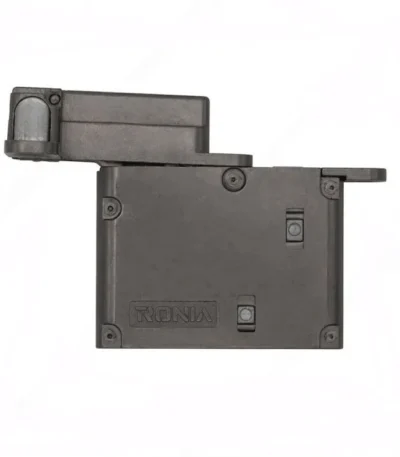
Aluminum Frame Door Hinge Solutions for Professional Woodworking
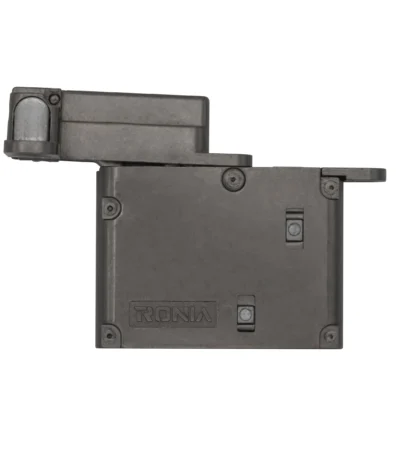
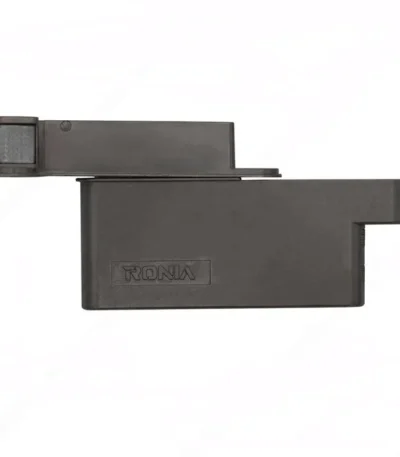
Aluminum Frame Door Hinge solutions are essential for manufacturers producing modern cabinets, display units, wardrobes, and furniture with lightweight aluminum profiles. The right hinge provides stable movement, accurate alignment, and dependable performance through repeated use. Ronia supplies professional hardware for workshops and industrial manufacturers seeking consistent assembly quality. Explore the range to match your door construction, production requirements, and installation method with a reliable hinge solution.
What is Aluminum Frame Door Hinge?
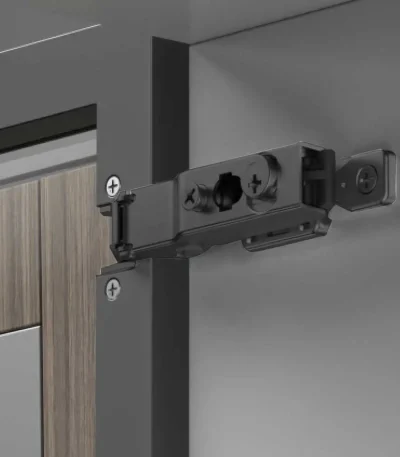
An Aluminum Frame Door Hinge is a specialized fitting designed to connect an aluminum framed door to a cabinet, furniture body, or supporting structure. It creates a controlled pivot point that allows the door to open and close smoothly while maintaining correct alignment. Unlike standard hinges designed mainly for wooden panels, these hinges accommodate the dimensions, profiles, and mounting requirements of aluminum framed doors.
Depending on the design, the hinge may be concealed or partially visible and can provide adjustment for height, depth, or side positioning. Proper adjustment helps installers achieve consistent door gaps and smooth operation. These hinges are widely used in kitchens, wardrobes, office furniture, retail displays, and contemporary interior systems where aluminum profiles provide a clean and durable structure.
Key Features and Benefits
- Durable construction: Robust materials withstand repeated opening and closing while supporting reliable performance in demanding furniture applications.
- Accurate alignment: Precision manufacturing helps maintain consistent door positioning and professional gaps during assembly.
- Secure mounting: Compatible fixing systems create a stable connection between the aluminum frame and cabinet structure.
- Smooth operation: Well designed pivot mechanisms support controlled movement and comfortable everyday use.
- Efficient installation: Practical mounting systems can reduce fitting time and simplify adjustments during production.
- Clean appearance: Suitable hinge designs preserve the modern visual character of aluminum framed furniture.
- Long service life: Reliable components reduce replacement needs and help control maintenance costs over extended use.
- Application flexibility: Different configurations support varied door sizes, frame profiles, cabinet designs, and installation conditions.
Types of Aluminum Frame Door Hinge
Concealed aluminum frame hinges are installed inside the furniture structure to create a clean exterior appearance. They are frequently selected for kitchens, wardrobes, and premium cabinetry where hardware visibility should be minimized. Their adjustment capability can help installers achieve accurate door positioning across repeated production runs.
Overlay aluminum frame hinges are designed for doors that sit over the cabinet side. They are practical for common cabinet configurations and can simplify installation when consistent external coverage is required. These hinges are suitable for workshops producing residential furniture, storage units, and commercial cabinets.
Inset aluminum frame hinges are intended for doors positioned within the cabinet opening. They require careful measurement because frame dimensions and door placement directly affect the final appearance. Manufacturers often choose this type for furniture designs that emphasize precise lines and a flush front.
Heavy duty and specialty hinges are developed for larger doors, demanding applications, or specific opening requirements. They can be integrated into manual assembly workflows or used alongside electric, battery, or pneumatic production equipment for drilling and installation. Typical applications include commercial furniture, display systems, architectural cabinetry, and higher traffic storage units.
How to Choose the Right Aluminum Frame Door Hinge
- Evaluate workshop size. Small workshops should prioritize versatile hinges that are easy to install and adjust, while large manufacturers may benefit from standardized models that support repeatable assembly.
- Consider production volume. High volume operations need durable hardware and efficient installation methods that reduce labor time. Lower volume businesses can place greater emphasis on flexibility and purchase cost.
- Match the frame and door material. Check aluminum profile dimensions, door thickness, panel weight, cabinet construction, and required opening angle. Confirm that the hinge mounting system fits the specific frame before ordering.
- Review installation and adjustment requirements. Choose a design that allows installers to correct alignment efficiently and maintain consistent gaps. Verify drilling patterns, fixing dimensions, and compatibility with available workshop equipment.
- Balance quality and budget. Compare construction quality, expected service life, installation time, replacement requirements, and supplier support rather than evaluating price alone. The right specification can lower operating costs over the product lifecycle.
For complete production environments, hardware selection should also complement best woodworking tools and industrial wood cutting equipment. Coordinating hinges with suitable drilling, cutting, and assembly processes can improve workflow consistency. Buyers sourcing quality power tools for workshops should also consider whether their equipment supports the required installation method and production volume.
Why Choose Ronia for Aluminum Frame Door Hinge
Ronia combines Turkish engineering and manufacturing expertise with practical knowledge of professional woodworking and furniture production. Its product range is developed for businesses that require dependable components, consistent quality, and efficient solutions for demanding applications.
For international B2B buyers, Ronia focuses on recognized quality and safety expectations, including CE and ISO standards where applicable. These standards can support procurement requirements and provide useful documentation for professional purchasing teams evaluating suppliers for domestic and export markets.
Ronia also supports long term product use through spare parts availability and after sales assistance. Access to replacement components can help reduce unnecessary downtime, while technical support can assist customers with product selection, application questions, and maintenance considerations.
Global shipping availability helps furniture manufacturers, distributors, and workshops source products from Turkey for projects in different markets. Whether you operate a small cabinet workshop or a larger industrial manufacturing facility, Ronia provides practical support from product selection through purchasing and delivery.
For purchasing teams, technical compatibility matters because a hinge must fit the aluminum profile, support the door weight, provide the required opening angle, and remain stable through repeated operation in the intended environment and production cycle requirements.

