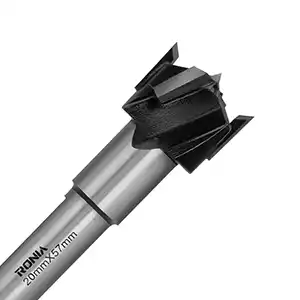
Pneumatic Tools for Professional Woodworking and Industrial Workshops
Pneumatic tools deliver reliable compressed-air power for woodworking, furniture production, assembly, and industrial maintenance. Their combination of speed, controlled operation, and durable construction makes them valuable for demanding production environments. Ronia supplies professional pneumatic tools for B2B buyers seeking consistent performance and efficient workflows. Explore the category, compare technical specifications, and select dependable equipment for your workshop or manufacturing operation.
What are Pneumatic Tools?
Pneumatic tools are powered by compressed air rather than a conventional electric motor or battery. An air compressor supplies pressurized air through a hose to the tool, where the air drives an internal mechanism that creates movement. Depending on the tool, this movement can drive fasteners, rotate an abrasive, operate a cutting mechanism, or perform another production task.
Pneumatic tools are widely used in woodworking, furniture manufacturing, cabinet assembly, construction, automotive work, and industrial maintenance. Their compact design and continuous air supply can make them practical for repetitive operations where consistent output is important. Selecting the correct air pressure, airflow, connection, and tool specification helps manufacturers achieve stable performance and reduce interruptions.
Key Features and Benefits
Durability: Robust housings and professional-grade components help pneumatic tools withstand frequent operation in demanding workshop environments.
High productivity: Fast operating cycles help workers complete repetitive fastening, sanding, drilling, or finishing tasks efficiently.
Consistent performance: A stable compressed-air supply can provide dependable output throughout extended production sessions.
Lightweight handling: Many pneumatic designs are compact and lighter than comparable powered equipment, reducing handling effort during repetitive work.
Precision: Controlled operation supports accurate fastening, surface preparation, and other detailed woodworking processes.
Safety: Professional tools with appropriate controls and protective features help operators maintain safer and more predictable workflows.
Easy maintenance: Simple mechanical construction can make routine inspection, cleaning, lubrication, and component replacement more manageable.
Continuous operation: With adequate compressor capacity, pneumatic equipment can operate repeatedly without battery charging interruptions.
Types of Pneumatic Tools
Pneumatic nailers and staplers use compressed air to drive nails, staples, and other fasteners into suitable materials. They are widely used for cabinet assembly, furniture production, framing, upholstery, and packaging. Their rapid firing cycles can increase productivity when large numbers of fastening operations are required.
Pneumatic drills and screwdrivers provide controlled rotary power for drilling holes and installing fasteners. They are useful in furniture assembly, woodworking production, metalwork, and general industrial applications. Air-powered designs can be suitable for repetitive tasks where consistent speed and compact handling are important.
Pneumatic sanders and grinders use compressed air to drive abrasive or finishing mechanisms. They can support surface preparation, edge finishing, material smoothing, and detailed workshop work. Depending on the model, they may be used on wood, metal, composite materials, or other compatible surfaces.
Pneumatic spray and finishing tools use compressed air to atomize coatings and distribute material across suitable surfaces. They can support professional finishing operations when the correct nozzle, pressure, coating, and preparation are selected. These tools are commonly used for furniture finishing, cabinetry, and industrial coating applications.
Pneumatic cutting and specialty tools are designed for specific production or maintenance tasks. They may include air-powered cutters, shears, impact tools, or specialized mechanisms. Buyers should match each tool with the intended material, operating pressure, airflow, and duty cycle.
How to Choose the Right Pneumatic Tools
1. Assess workshop size: Small workshops should select versatile tools that match available compressor capacity and storage space. Larger facilities can build dedicated air-tool stations based on production requirements and workflow.
2. Evaluate production volume: High-volume manufacturers should prioritize tools with suitable duty ratings, durable components, and efficient operating cycles. Lower-volume users can focus on flexibility, ease of maintenance, and multi-purpose applications.
3. Match the material: Consider whether the tool will be used on solid wood, MDF, plywood, metal, composites, or other materials. The correct tool type, accessory, pressure, and operating specification can improve results and prevent unnecessary wear.
4. Check air requirements: Review recommended pressure, airflow consumption, hose size, connection type, and compressor capacity before purchasing. An appropriately sized air system helps maintain stable tool performance during continuous operation.
5. Balance budget and value: Compare purchase price with productivity, durability, maintenance requirements, spare parts availability, and expected service life. A professional investment should reduce downtime and support predictable production costs.
Why Choose Ronia for Pneumatic Tools
Ronia combines Turkish engineering and manufacturing quality with practical solutions for professional woodworking and industrial applications. Its pneumatic tools are positioned for B2B buyers who require dependable equipment for production, assembly, finishing, and workshop operations. Businesses searching for the best woodworking tools can evaluate Ronia products according to application, technical requirements, and production goals.
Ronia serves international markets and considers applicable quality and safety requirements during product development and manufacturing. Depending on the specific product and destination market, relevant CE and ISO certifications or supporting documentation may be available. Buyers should verify the applicable documentation for each selected product before procurement.
Spare parts availability is important for businesses that depend on continuous workshop productivity. Where applicable, Ronia supports access to replacement components that can simplify maintenance and extend equipment service life. After-sales support can assist customers with product selection, technical questions, installation guidance, and ongoing procurement requirements.
Global shipping availability helps manufacturers, distributors, contractors, and professional workshops source Ronia solutions across international markets. Alongside pneumatic tools, buyers can explore quality power tools for workshops and industrial wood cutting equipment to build a broader professional equipment portfolio.
For production environments, standardizing compatible pneumatic equipment can simplify operator training, maintenance routines, spare parts planning, and procurement. Establishing consistent tool specifications across workstations can also improve workflow control and make performance monitoring easier. Especially valuable for furniture factories, cabinet manufacturers, woodworking workshops, and industrial assembly operations.