


Product categories
- Cutting Tools 348
- Boring Bits 23
- Brazed Cutters 10
- Cutterheads With Changeable Knives 4
- Router Bits 265
- Bits For Manual Router 92
- CNC Router Bits 167
- Aluminium Folding Groove 1
- Ball Grooving Bits 1
- Bowl and Tray Bits 11
- Bull Nose Bits 17
- Dovetail Bits 1
- Drawer Pull Bit 3
- Engraving Bits 2
- Half Round Bits 3
- Keyhole Bits 2
- Lock Miter Bits 2
- Plunge Cut Roundover Bits 7
- Point Cut Roundover Bits 5
- Profile Cutting Bit 37
- Raised Panel Bits 2
- Roundover Bits 4
- Slotting Cutter Bit 4
- Stair Tread Bits 5
- Straight Bits 39
- T-slot router Bits 3
- V-Groove Bits 18
- Solid Surface Bits 6
- Saw Blades 46
- Hardware 204
- Connections 15
- Drawer slide 15
- Hinge 51
- Kitchen Accessory 35
- Opening System 4
- screw 20
- Shelf 1
- Shelf Support 20
- Wardrobe Accessory 43
- Accessory Storage Box 5
- Clothes Rail 8
- Mirror 2
- Safe Box 1
- Shoe Rack 2
- Storage Box 25
- Line/Automation/Software 21
- pneumatic tools 54
- Portable Machinery 16
- Sheet Working Machinery 30
- CNC Machining center 18
- Edge Banders 6
- Curved 1
- Industrial 6
- Sizing Machines 2
- Beam Saw 2
- Uncategorized 7
Showing all 2 results
PTP CNC Machine for High-Precision Woodworking Production
Modern woodworking operations need speed, repeatability, and accurate machining to stay competitive. A PTP CNC machine gives manufacturers precise control over drilling, routing, grooving, and other panel processing tasks while reducing manual effort. For workshops and industrial production lines, the right CNC solution can improve consistency and output. Explore Ronia PTP CNC machines to match your production needs and request expert guidance before choosing your equipment.
What is a PTP CNC Machine?
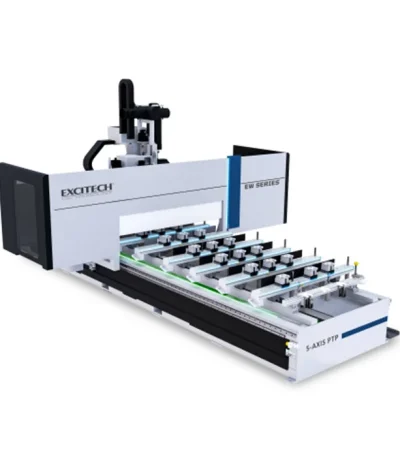
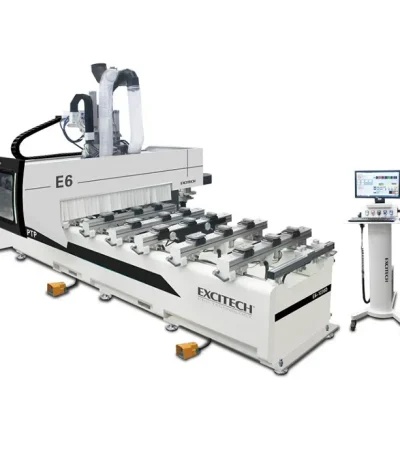
A PTP CNC machine is a computer-controlled woodworking system designed primarily for point-to-point machining of panels and components. PTP means point to point, allowing the machine to move a tool head to programmed positions and perform operations such as drilling, boring, routing, and slotting.
Operators create or import digital programs that define machining coordinates, tool movements, and processing sequences. The CNC controller then directs the machine with high repeatability. This makes PTP CNC technology suitable for cabinet doors, furniture components, office systems, kitchen units, and other products requiring accurate repeated machining.
Key Features and Benefits
- High precision: Computer-controlled positioning delivers consistent hole locations, cuts, and routing patterns across repeated production runs.
- Efficient production: Automated tool movements reduce manual handling and help workshops complete more components in less time.
- Flexible machining: Multiple drilling and routing operations can be programmed for different panel designs and production requirements.
- Durable construction: Robust machine frames and industrial components support dependable operation in demanding woodworking environments.
- Improved safety: Controlled machining processes reduce unnecessary manual tool handling and support more organized workshop workflows.
- Reduced waste: Accurate programming helps limit positioning errors, material damage, and unnecessary rework.
- Digital compatibility: CNC software can support CAD-based workflows, making design changes and production preparation more efficient.
For manufacturers focused on repeatable furniture production, PTP technology can simplify complex drilling patterns and reduce dependence on manual measurement. It is particularly valuable when several components share the same dimensions or require identical hole layouts. Faster setup and repeatable positioning can make production planning easier while maintaining consistent quality across batches.
Before selecting a machine, buyers should also consider spindle configuration, maximum panel dimensions, working speed, dust extraction requirements, and available electrical infrastructure. Training and operator familiarity are equally important because a well-configured machine delivers greater value when staff can prepare programs, manage tooling, and perform routine checks confidently.
Types of PTP CNC Machines
Single-station PTP CNC machines are practical for smaller workshops and moderate production volumes. They typically use an electric power system and provide drilling, routing, and boring functions for furniture panels and custom woodworking projects.
Multi-function PTP CNC machines combine several machining capabilities in one production platform. These electric machines are suited to manufacturers processing diverse materials and producing cabinets, doors, shelving, and other components at higher volumes.
Automatic PTP CNC systems add automated loading, positioning, tool changing, or material handling features. They are designed for industrial manufacturers seeking higher throughput and more consistent production with less manual intervention. Pneumatic clamping systems may also be integrated to secure workpieces during machining.
How to Choose the Right PTP CNC Machine
- Assess workshop size: Measure your available floor area and consider the machine footprint, working range, access space, and material loading requirements before purchase.
- Match production volume: Estimate daily and monthly output to determine whether a standard configuration is sufficient or whether automated features and higher processing capacity are justified.
- Consider material types: Identify the panels and boards you commonly process, including MDF, particleboard, plywood, solid wood, and laminated materials. Select spindle power, tooling, and machining capabilities that suit those materials.
- Review software and tooling: Check controller usability, file compatibility, tool-changing options, drilling configurations, and available accessories. A practical digital workflow can reduce setup time and help operators achieve consistent results.
- Set a realistic budget: Compare the purchase price with productivity, maintenance requirements, spare parts availability, energy use, and after-sales service. Investing in reliable industrial wood cutting equipment can provide stronger long-term value than choosing only by initial cost.
For growing businesses, scalability should remain part of the purchasing decision. A machine that accommodates future product designs, additional tooling, and increased order volumes can reduce the need for an early replacement. Buyers should also confirm warranty terms, installation requirements, maintenance procedures, and technical documentation before finalizing the purchase.
These checks establish ownership costs and support confident investment planning for manufacturers today.
Why Choose Ronia for PTP CNC Machine
Ronia combines Turkish engineering and manufacturing experience with practical solutions for professional woodworking operations. Its PTP CNC machine range is developed for buyers who need reliable performance, accurate machining, and productive workflows in demanding environments.
Ronia focuses on quality manufacturing and supports equipment with internationally recognized standards and certifications, including CE and ISO where applicable to the product and manufacturing system. These standards help professional buyers evaluate equipment quality, conformity, and production practices.
Access to spare parts is another important advantage for industrial users. Reliable component availability can help reduce downtime and keep production schedules on track. Ronia also provides after-sales support to assist customers with equipment operation, maintenance, and technical requirements.
For international manufacturers and distributors, global shipping availability makes sourcing from Turkey more practical. Ronia can support businesses looking for quality power tools for workshops and advanced CNC solutions while helping them select equipment according to their production environment.
Whether you operate a small furniture workshop or a larger manufacturing facility, Ronia’s approach combines equipment capability with service support. Buyers can also evaluate the wider range of best woodworking tools available for complementary production tasks, helping create a more complete and efficient machining setup.

