


Product categories
- Cutting Tools 348
- Boring Bits 23
- Brazed Cutters 10
- Cutterheads With Changeable Knives 4
- Router Bits 265
- Bits For Manual Router 92
- CNC Router Bits 167
- Aluminium Folding Groove 1
- Ball Grooving Bits 1
- Bowl and Tray Bits 11
- Bull Nose Bits 17
- Dovetail Bits 1
- Drawer Pull Bit 3
- Engraving Bits 2
- Half Round Bits 3
- Keyhole Bits 2
- Lock Miter Bits 2
- Plunge Cut Roundover Bits 7
- Point Cut Roundover Bits 5
- Profile Cutting Bit 37
- Raised Panel Bits 2
- Roundover Bits 4
- Slotting Cutter Bit 4
- Stair Tread Bits 5
- Straight Bits 39
- T-slot router Bits 3
- V-Groove Bits 18
- Solid Surface Bits 6
- Saw Blades 46
- Hardware 204
- Connections 15
- Drawer slide 15
- Hinge 51
- Kitchen Accessory 35
- Opening System 4
- screw 20
- Shelf 1
- Shelf Support 20
- Wardrobe Accessory 43
- Accessory Storage Box 5
- Clothes Rail 8
- Mirror 2
- Safe Box 1
- Shoe Rack 2
- Storage Box 25
- Line/Automation/Software 21
- pneumatic tools 54
- Portable Machinery 16
- Sheet Working Machinery 30
- CNC Machining center 18
- Edge Banders 6
- Curved 1
- Industrial 6
- Sizing Machines 2
- Beam Saw 2
- Uncategorized 7
Showing all 2 results
Straight Tools for Precise Woodworking and Professional Production
Straight tools are essential for clean, controlled material removal in woodworking, cabinetry, furniture production, and industrial manufacturing. Their direct cutting profile supports accurate grooves, slots, edges, and recesses across many common wood materials. Selecting the right straight tooling can reduce rework and improve finish quality. Explore Ronia’s range to match your machine and production requirements.
What are Straight Tools?
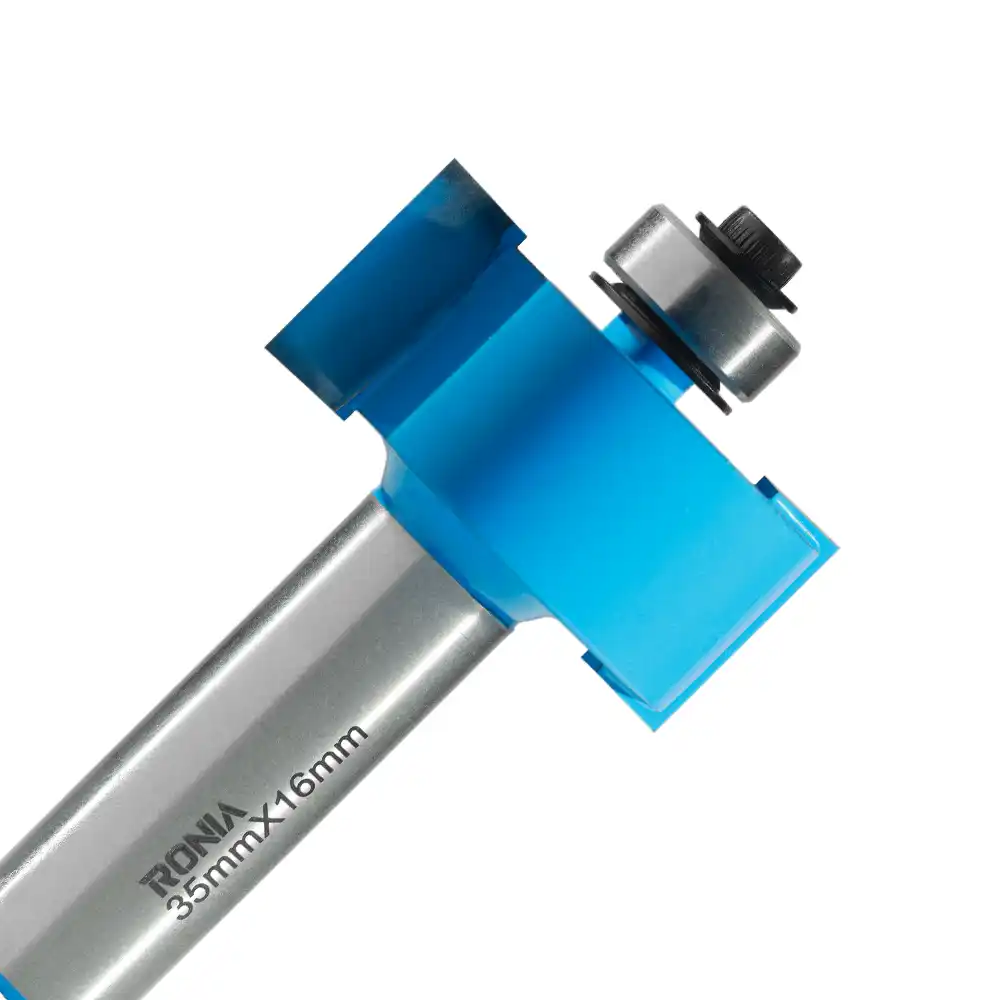
Straight tools are cutting tools designed with a straight profile that removes material evenly along the cutting path. In woodworking, they are commonly used to create grooves, dadoes, slots, recesses, and straight edges. Depending on the design, diameter, cutting length, and machine compatibility, a straight tool can support both detailed workshop tasks and demanding production applications.
These tools can be used with routers, CNC machines, trimming equipment, and other compatible woodworking systems. Their geometry allows operators to achieve consistent cuts when feed rate, spindle speed, cutting depth, and material are correctly matched.
Key Features and Benefits
- Precision: Accurate cutting geometry helps produce consistent widths, depths, and straight profiles across repeated manufacturing operations.
- Durability: Strong cutting materials and robust construction withstand regular use while supporting dependable service life.
- Efficiency: Effective material removal reduces unnecessary passes and helps operators complete routing and cutting tasks faster.
- Clean results: Sharp, properly matched edges minimize roughness and support professional surfaces that require less secondary finishing.
- Stability: Balanced construction promotes controlled cutting and helps reduce vibration during suitable operating conditions.
- Versatility: Different diameters and cutting lengths allow users to select tooling for detailed work, panel processing, and larger production tasks.
- Safety: Correct compatibility, installation, operating speed, and handling support controlled performance and safer workshop practices.
Types of Straight Tools
Solid carbide straight tools are designed for demanding woodworking applications where cutting accuracy and wear resistance are important. They work well with CNC routers and other compatible machines for MDF, plywood, hardwood, and engineered panels. Their rigid construction can support repeated production where consistent cutting performance matters.
Carbide-tipped straight tools combine a durable carbide cutting edge with a supporting body. They can provide a balance between performance and cost for workshops handling regular routing, grooving, and edge preparation. They are suitable for applications where reliable cutting is required without selecting premium solid carbide construction.
Straight router tools are used with electric routers for furniture, cabinetry, installation, and general workshop work. Battery-powered compatible equipment can provide additional mobility for suitable portable applications. These tools are useful for controlled grooves, slots, trimming, and recesses where portability is valuable.
CNC straight tooling is intended for automated or semi-automated production. CNC machines typically use electric spindle systems to deliver controlled rotation and repeatable cutting paths. These solutions are suitable for manufacturers processing panels, cabinet components, furniture parts, and other products at higher volumes.
Pneumatic straight cutting tools can be used in specialized industrial environments where compressed air equipment is already available. They may suit selected trimming and finishing applications, particularly where lightweight equipment and continuous pneumatic operation are preferred.
How to Choose the Right Straight Tools
- Assess workshop size: Smaller professional workshops may need versatile tooling that works across several machines and applications. Larger facilities can prioritize dedicated tooling designed around standardized production processes and higher utilization.
- Match production volume: Occasional users can select practical options based on flexibility and replacement cost. High-volume manufacturers should prioritize durable cutting solutions that maintain accuracy through repeated cycles and reduce downtime.
- Check material type: Identify whether you mainly process hardwood, softwood, MDF, plywood, laminate, or other engineered materials. Choose the cutting material and geometry according to hardness, abrasiveness, thickness, and required finish.
- Confirm machine compatibility: Check shank diameter, tool dimensions, cutting length, spindle requirements, rotation speed, and mounting specifications before ordering. Proper compatibility supports stable operation and helps prevent premature tool wear.
- Set a realistic budget: Compare purchase price with expected service life, productivity, maintenance, and replacement frequency. Investing in quality power tools for workshops can provide stronger long-term value when production demands are consistent.
For buyers searching for the best woodworking tools, performance should always be considered in relation to the complete application. The correct diameter, cutting length, geometry, and operating parameters can improve accuracy while reducing unnecessary material waste. Matching tooling to the machine and workflow also helps production teams standardize results.
Industrial manufacturers should also consider stock availability and replacement planning. Keeping commonly used sizes available can prevent production delays when a cutting tool requires replacement. For larger operations, discussing material types, machine models, and production targets with a supplier can help identify a suitable configuration.
Why Choose Ronia for Straight Tools
Ronia combines Turkish engineering and manufacturing experience with solutions developed for professional woodworking requirements. The company supplies precision cutting tools and equipment intended to support workshops, manufacturers, and international B2B customers that require dependable performance and practical product selection.
Quality assurance is important when purchasing professional tooling for industrial applications. Ronia products are developed with international quality and safety requirements in mind, including CE and ISO certifications where applicable to the specific product and manufacturing process. Buyers should review the certification documentation and technical specifications for your model before purchase.
Long-term production performance also depends on service support. Ronia provides access to spare parts and after-sales assistance, helping customers maintain equipment and address technical requirements throughout the product lifecycle. This support can help businesses reduce avoidable interruptions and keep essential operations running efficiently.
Ronia also offers global shipping availability, helping distributors, workshops, furniture manufacturers, and industrial buyers source woodworking solutions from Turkey for reliable global projects. Its product range supports different workshop scales and applications, from general routing tasks to more demanding manufacturing environments.

