CNC Machining Center Solutions for Professional Woodworking Production
Introduction
A CNC Machining Center gives manufacturers precise, automated control over cutting, drilling, routing, and shaping operations. For furniture factories, cabinet producers, and industrial woodworking shops, the right CNC solution can increase productivity while delivering consistent component quality. Ronia provides professional machinery designed for demanding production environments. Explore the available CNC solutions, compare specifications, and contact the sales team to identify equipment that fits your workflow and production goals.
What is CNC Machining Center?
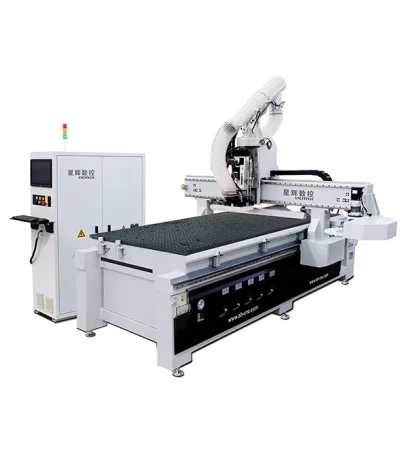
A CNC Machining Center is a computer-controlled machine that performs multiple machining operations on a workpiece with high accuracy and repeatability. Instead of relying entirely on manual positioning, the operator programs digital instructions that guide cutting tools along precise paths.
In woodworking, CNC machining centers can process materials such as MDF, plywood, particleboard, solid wood, and laminated panels. Depending on configuration, a machine can cut shapes, drill holes, create grooves, mill profiles, engrave surfaces, and prepare components for assembly. This integrated approach reduces repeated manual setup and helps manufacturers maintain consistent dimensions across large production runs.
Key Features and Benefits
Precision: Computer-controlled movement produces accurate dimensions, clean machining paths, and repeatable results across multiple components.
Productivity: Automated operations reduce repetitive manual work and help manufacturers process more parts within a defined production schedule.
Versatility: Multi-function machining supports cutting, drilling, routing, engraving, grooving, and profiling on suitable materials.
Durability: Rigid construction and reliable mechanical components support stable operation in demanding professional workshops.
Efficiency: Optimized tool paths can reduce unnecessary movement, processing time, and material waste during production.
Safety: Enclosed working areas, controlled movement, and appropriate safety systems help operators manage machining tasks more securely.
Consistency: Digital programs allow manufacturers to reproduce approved designs accurately, supporting dependable quality across repeated orders.
Types of CNC Machining Center
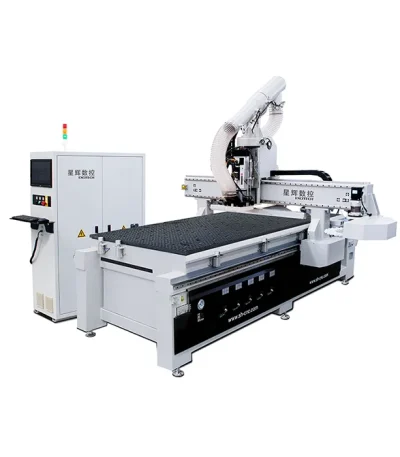
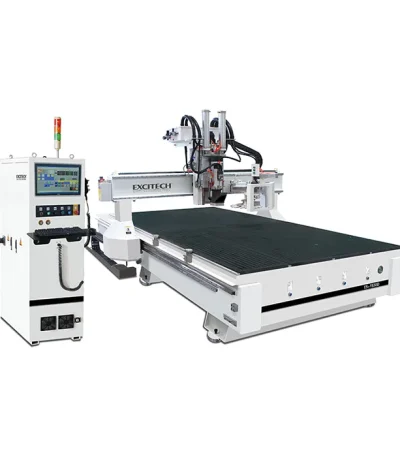
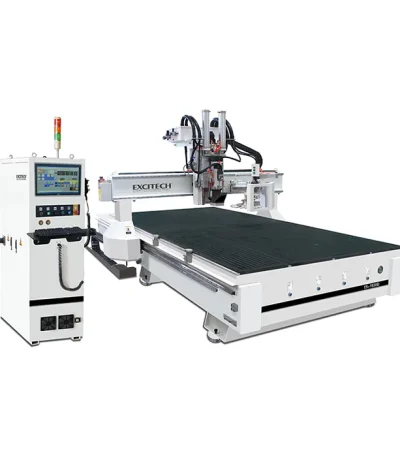
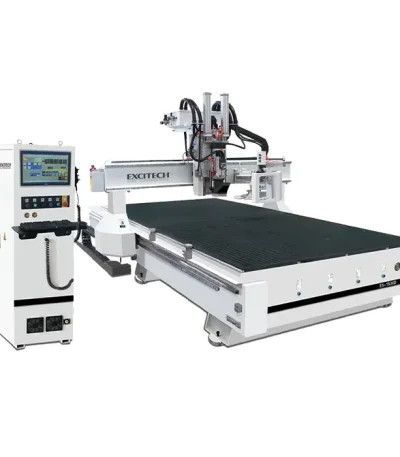
CNC routers are widely used for cutting, drilling, engraving, and shaping sheet materials and solid wood. They are available in different working sizes and configurations, making them suitable for furniture production, signage, cabinetry, and general woodworking.
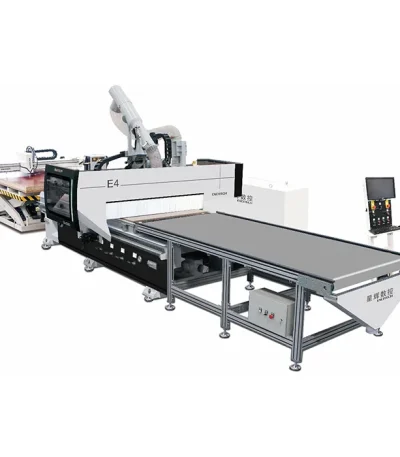
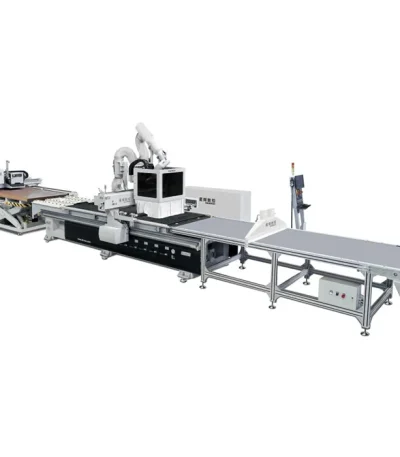
CNC nesting machines optimize panel processing by arranging multiple components within a sheet before cutting. These electric machines can reduce material waste and improve workflow efficiency, making them valuable for cabinet manufacturers and high-volume furniture production.
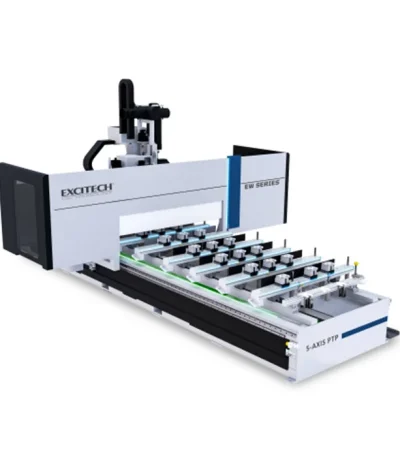
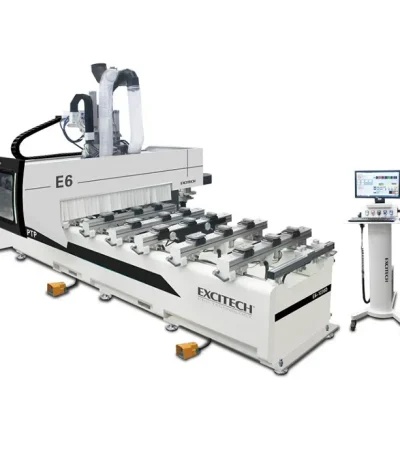
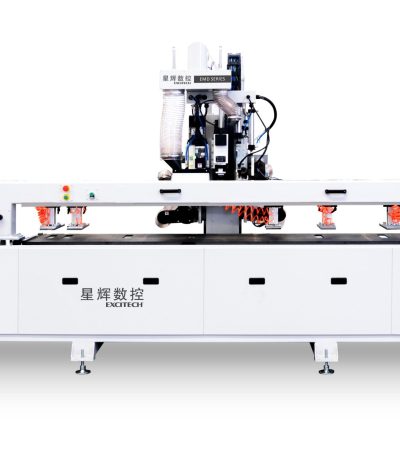
CNC drilling and machining centers combine drilling and routing functions for component preparation. Electric spindle systems provide controlled tool movement, while automated positioning helps manufacturers create accurate holes, grooves, and connection points for repeated assemblies.
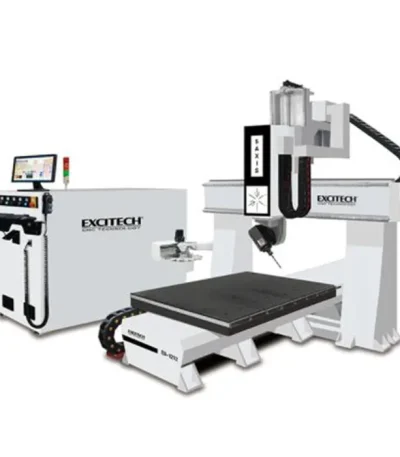
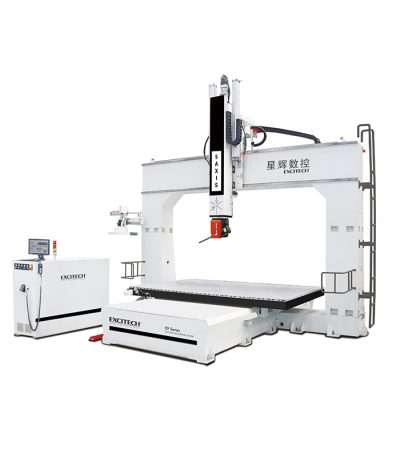
Multi-axis CNC machining centers provide additional movement flexibility for complex three-dimensional components and specialized profiles. They are suitable for manufacturers producing detailed parts, curved elements, advanced furniture components, and customized designs that require more than basic two-dimensional processing.
Compact CNC machines can support smaller workshops that need digital machining without the footprint of a large industrial production line. Larger industrial models are designed for higher workloads, larger panels, continuous production, and more demanding manufacturing schedules.
For production managers, machine configuration should also reflect the level of automation required. Automatic tool changers can reduce setup interruptions when several tools are needed for one component. Vacuum workholding can stabilize panels during machining and support accurate cutting across repeated jobs. Software integration can simplify design transfer, production planning, and program storage, helping teams standardize frequently manufactured components. These capabilities are especially useful when manufacturers handle customized furniture orders alongside regular production. A suitable CNC platform should therefore support today’s workload while leaving enough capacity for future product development, additional operators, and increased order volume. Reviewing these factors before purchase helps buyers build a more efficient machining workflow.
How to Choose the Right CNC Machining Center
Assess workshop size: Measure available floor space, loading access, working clearance, and material handling areas before choosing machine dimensions.
Match production volume: Select a compact configuration for lower output or prototype work, while higher-volume manufacturers should evaluate automation, cycle times, and working capacity.
Check material requirements: Confirm that the machine and tooling can process your common materials, thicknesses, dimensions, and surface finishes without compromising quality.
Evaluate software and tooling: Review controller compatibility, programming workflow, spindle specifications, tool-changing options, and available cutting tools before purchasing.
Set a complete budget: Consider the machine price together with installation, training, tooling, maintenance, electricity, spare parts, and long-term operating costs.
Also consider dust extraction and workshop infrastructure. Efficient dust management can support cleaner working conditions and help protect machinery from accumulated wood particles. Reliable electrical supply and suitable ventilation should also be reviewed before installation.
For businesses purchasing equipment internationally, examine technical documentation, warranty conditions, spare part availability, delivery arrangements, and after-sales service. These factors can influence the total ownership experience as much as the initial purchase price.
Why Choose Ronia for CNC Machining Center?
Ronia combines Turkish engineering and manufacturing expertise with machinery developed for professional woodworking and industrial production. Its approach focuses on practical machine performance, reliable construction, accurate processing, and solutions that can support businesses with different production requirements.
For professional buyers, applicable safety and quality requirements are important when selecting industrial machinery. Ronia products can be evaluated against relevant CE and ISO standards where applicable to the specific equipment. This helps purchasing teams consider regulatory and quality requirements when planning machinery investments.
Ronia also supports long-term equipment use through spare parts availability and after-sales assistance. Access to service support can help manufacturers maintain production continuity, address maintenance requirements, and manage equipment needs more efficiently.
Global shipping availability makes Ronia a practical sourcing option for international distributors, workshops, furniture manufacturers, and industrial buyers. Whether you are searching for the best woodworking tools for a growing workshop or advanced industrial CNC equipment, Ronia offers solutions designed around professional applications and production performance.