


Product categories
- Cutting Tools 348
- Boring Bits 23
- Brazed Cutters 10
- Cutterheads With Changeable Knives 4
- Router Bits 265
- Bits For Manual Router 92
- CNC Router Bits 167
- Aluminium Folding Groove 1
- Ball Grooving Bits 1
- Bowl and Tray Bits 11
- Bull Nose Bits 17
- Dovetail Bits 1
- Drawer Pull Bit 3
- Engraving Bits 2
- Half Round Bits 3
- Keyhole Bits 2
- Lock Miter Bits 2
- Plunge Cut Roundover Bits 7
- Point Cut Roundover Bits 5
- Profile Cutting Bit 37
- Raised Panel Bits 2
- Roundover Bits 4
- Slotting Cutter Bit 4
- Stair Tread Bits 5
- Straight Bits 39
- T-slot router Bits 3
- V-Groove Bits 18
- Solid Surface Bits 6
- Saw Blades 46
- Hardware 204
- Connections 15
- Drawer slide 15
- Hinge 51
- Kitchen Accessory 35
- Opening System 4
- screw 20
- Shelf 1
- Shelf Support 20
- Wardrobe Accessory 43
- Accessory Storage Box 5
- Clothes Rail 8
- Mirror 2
- Safe Box 1
- Shoe Rack 2
- Storage Box 25
- Line/Automation/Software 21
- pneumatic tools 54
- Portable Machinery 16
- Sheet Working Machinery 30
- CNC Machining center 18
- Edge Banders 6
- Curved 1
- Industrial 6
- Sizing Machines 2
- Beam Saw 2
- Uncategorized 7
Showing all 2 results

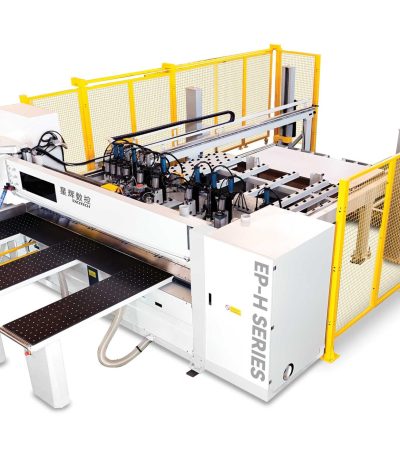
Beam Saw Solutions for Precise, High-Volume Wood Cutting
A reliable Beam Saw helps manufacturers achieve fast, accurate panel cutting while maintaining consistent production quality. Designed for demanding workshops and industrial environments, modern Beam Saws streamline cutting operations for boards, panels, laminates, and engineered wood. Ronia provides practical cutting solutions for businesses that value precision, productivity, and dependable operation. Explore the category to compare suitable models and select equipment that supports your production goals.
What is a Beam Saw?
A Beam Saw is an industrial cutting machine designed to cut large wood-based panels into accurate sizes. The machine uses a powerful circular saw that travels along a guided cutting beam, allowing operators to process multiple panels efficiently. Depending on the configuration, automated systems can control panel positioning, cutting sequences, pressure, and material handling. Beam Saws are widely used for furniture production, cabinetry, interior manufacturing, and large-scale panel processing where repeatable dimensions and clean cuts are essential.
Key Features and Benefits
- High precision: Guided cutting systems maintain accurate dimensions and consistent results across repeated production runs.
- Durable construction: Robust frames, cutting assemblies, and industrial components support demanding daily workloads and long-term service.
- Production efficiency: Optimized cutting cycles reduce manual handling and help workshops process more panels in less time.
- Clean cutting performance: Quality blades and stable material support produce accurate edges suitable for downstream assembly and finishing.
- Operational safety: Protective systems, controlled movement, and appropriate guarding help create a safer working environment for operators.
- Material versatility: Suitable configurations can process MDF, particleboard, plywood, laminated panels, and other common wood-based materials.
- Consistent output: Repeatable positioning and programmable operations help reduce dimensional variation and material waste.
- Professional workflow: Industrial wood cutting equipment can connect cutting operations with broader furniture and panel production processes.
Types of Beam Saw
Manual and semi-automatic Beam Saws: These machines combine guided cutting accuracy with practical operator control. They suit small and medium workshops that need dependable panel processing without the investment level of fully automated production lines. Electric drive systems provide the cutting power, while manual positioning keeps the workflow flexible.
Automatic Beam Saws: Automatic models use programmable controls and powered material positioning to increase productivity and repeatability. They are suitable for medium to large manufacturers processing high panel volumes for furniture, cabinetry, and commercial interiors. Electric systems are standard because they deliver consistent power for continuous industrial operation.
Horizontal Beam Saws: Horizontal configurations are designed to process large panels efficiently while maintaining stable material support during cutting. They are common in furniture factories and panel-processing facilities where accurate sizing and organized production flow are priorities. Depending on the model, automated feeding and positioning can further reduce handling time.
Vertical Beam Saws: Vertical designs use floor space differently and can be useful where workshop layout is limited. They are often selected for panel cutting tasks involving boards and sheet materials in smaller production environments. Electric cutting systems provide dependable performance, while operator access can support flexible job scheduling.
How to Choose the Right Beam Saw
- Match workshop size: Measure available floor space, access routes, and material storage areas before selecting a machine. Ensure the working area allows safe loading, unloading, and maintenance.
- Consider production volume: Estimate daily and monthly panel requirements. Lower-volume workshops may benefit from simpler configurations, while high-output manufacturers should prioritize automation, rapid cycles, and efficient material handling.
- Check material requirements: Identify the materials, thicknesses, panel dimensions, and surface finishes you process most often. Choose a cutting system and blade configuration designed for those applications to maintain quality and minimize waste.
- Evaluate power and workflow: Confirm electrical requirements, available infrastructure, and compatibility with your existing production process. Buyers should also consider operator experience, automation needs, and whether the machine can integrate with other woodworking tools.
- Set a practical budget: Compare the complete ownership cost rather than only the purchase price. Consider installation, blades, maintenance, spare parts, energy use, training, and after-sales support when calculating long-term value. Investing in quality power tools for workshops and reliable machinery can improve productivity over time.
Why Choose Ronia for Beam Saw
Ronia combines Turkish engineering and manufacturing experience with a practical understanding of professional woodworking requirements. Its machinery is developed for demanding production environments where cutting accuracy, durability, and operational consistency matter. For businesses sourcing the best woodworking tools, Ronia offers solutions focused on dependable industrial performance rather than unnecessary complexity.
Ronia equipment is supported by international quality and safety standards, including CE and ISO certifications where applicable to the product. These standards help businesses evaluate equipment against recognized requirements for safety, manufacturing processes, and quality management.
Reliable access to spare parts is important for maintaining production continuity. Ronia supports customers with replacement components and technical assistance, helping workshops reduce avoidable downtime and keep equipment operating effectively. After-sales support also helps buyers address maintenance questions and use their machinery with greater confidence.
For international buyers, Ronia provides global shipping availability, making its woodworking equipment accessible to manufacturers and workshops in different markets. Customers can discuss machine specifications, production requirements, logistics, and purchasing options with the sales team before placing an order.

